
Travel Guide to Lut Desert
The Lut Desert, or Dasht-e Lut, is one of the largest deserts in Iran, renowned for its otherworldly beauty and unique geological features. This vast expanse of arid land showcases dramatic landscapes, including towering sand dunes, salt flats, and ancient volcanic formations. The desert is also home to some of the hottest recorded temperatures on Earth, making it a fascinating destination for adventurers and nature lovers alike.
Visitors to the Lut Desert can expect a serene and remote atmosphere, perfect for those looking to escape the hustle and bustle of city life. The stark beauty of the desert is complemented by its rich history, as it has been inhabited by various nomadic tribes over the centuries. Exploring the Lut Desert offers a chance to witness the mesmerizing play of light and shadow on the dunes, especially during sunrise and sunset.
Continue reading the travel guide
Travel Guide to Lut Desert
For those planning a visit, it's essential to prepare adequately for the harsh conditions. The best way to experience the desert is through guided tours, which can provide insights into its unique ecology and geology. Travelers should also ensure they have ample water and sun protection, as temperatures can soar during the day. The Lut Desert is a UNESCO World Heritage site, adding to its allure as a must-visit destination in Iran.
Why Visit?
The Lut Desert is a must-visit for its stunning landscapes, unique geological formations, and the opportunity to experience one of the hottest places on Earth. Its remote beauty and tranquility provide a perfect escape for nature enthusiasts and adventure seekers.
Best Time to Visit
The best time to visit the Lut Desert is during the cooler months from October to April, when temperatures are more manageable for outdoor activities. Early mornings and late afternoons are ideal for exploring to avoid the extreme heat of midday.
Ready to go? Plan your Lut Desert trip → Good to know →
Plan your trip to Lut Desert
Flights, accommodation and ways to get around — plan the details that matter to you.
Find flights to Lut Desert
Nearest recommended airport search point: THR.
See recent flight offersFrom Tehran €171
Recent flight offers
Compare available fares and routes for Lut Desert.
Flights from Lut Desert Departures · THR
Cheap Flights from Tehran (THR)
Compare the latest low fares from Tehran to popular destinations. Prices are updated regularly and may change based on travel dates and availability.
Stay & getting around
Choose a neighbourhood, then decide how you will get from the airport and around the city.
Where to stay Neighbourhoods and accommodation
Where to Stay in Lut Desert
While there are no accommodations directly in the Lut Desert, nearby cities such as Kerman and Yazd offer various lodging options. Staying in these cities allows for easy access to guided tours into the desert.
Getting around Airport transfers and local transport

Getting Around Lut Desert
Travelers can reach the Lut Desert by flying into Tehran's Imam Khomeini International Airport (THR) and then taking a domestic flight or driving to Kerman. Once in Kerman, guided tours are the best way to explore the desert, as public transport options are limited.
Travel essentials
 Stay connected
 Flight delayed or cancelled?
Popular Activities in Lut Desert
Good to know about Lut Desert
Country factsCapital, language and useful details
Quick Facts
Country
Location
Practical Information
Climate
Iran has varied travel conditions depending on the region and season. The climate ranges from arid and semi-arid in the central regions to Mediterranean along the northern coast. Summer can be extremely hot, while winters can be quite cold, especially in the mountainous areas.
Money
The local currency is IRR - Iranian Rial. Cards are accepted in many places, but carrying some cash can be useful for small purchases, local transport, and rural areas.
Internet & SIM
Mobile coverage is generally good in urban areas, and SIM cards are readily available for purchase. Wi-Fi is accessible in many hotels and cafes, but connectivity may be limited in rural regions.
Electricity
Voltage: 230 V
Frequency: 50 Hz
Safety
Emergency
110 / 115 / 125
Explore more in Iran
Places to Visit in Iran
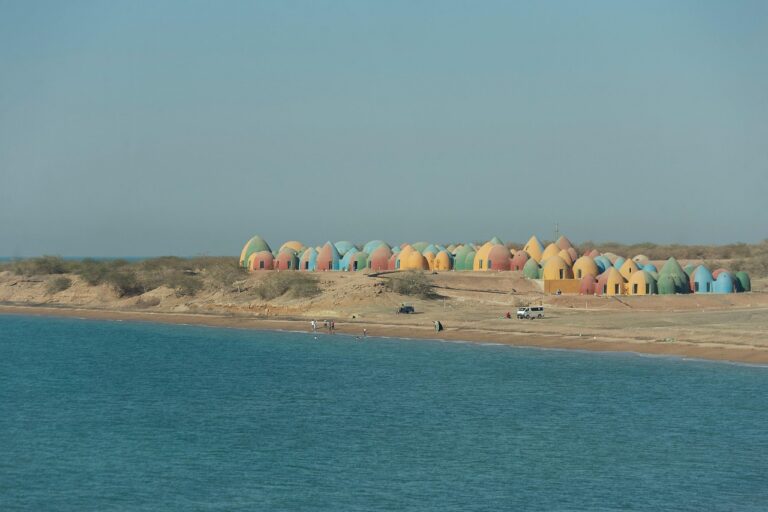
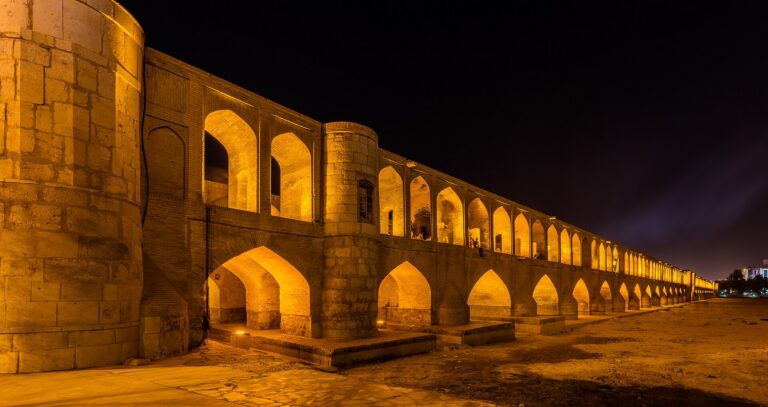
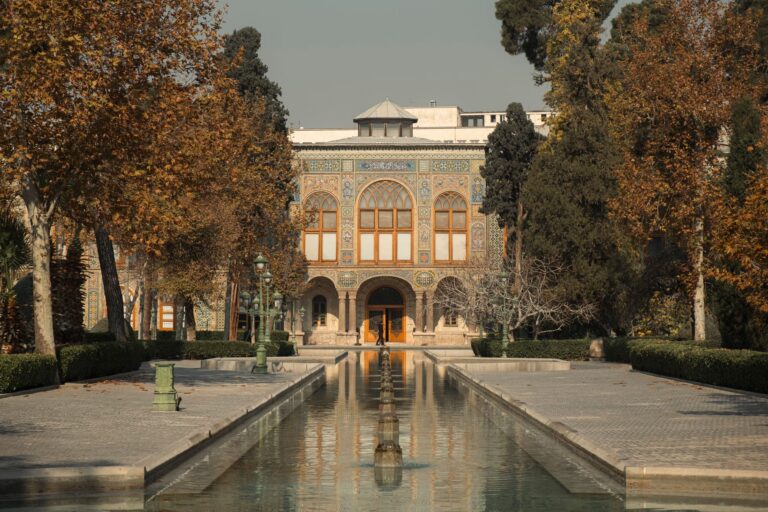
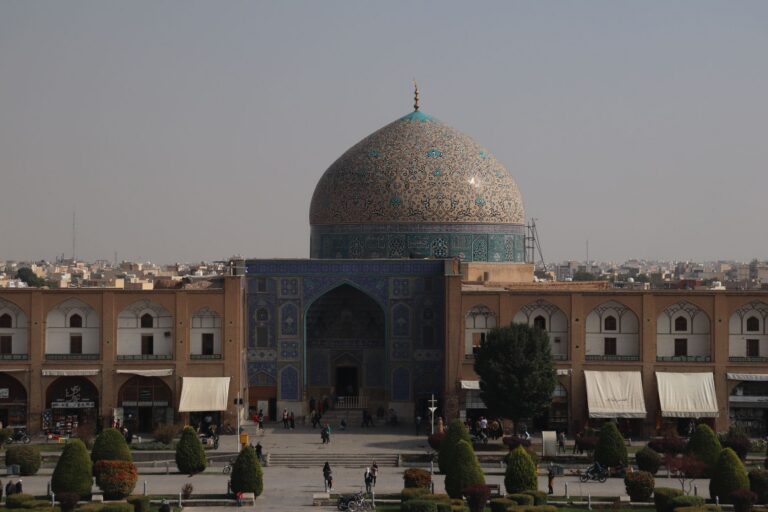
Cities in Iran
About NomadRoute
NomadRoute helps travelers discover destinations, compare flight options, and find competitive fares from trusted airlines and travel providers worldwide. We do not sell airline tickets directly. Instead, we connect travelers with leading booking partners.
Discover More Destinations
Find low fares from trusted travel providers.
Compare options and book directly with partners.
Explore destinations and routes worldwide.