
Travel Guide to Joya de Cerén
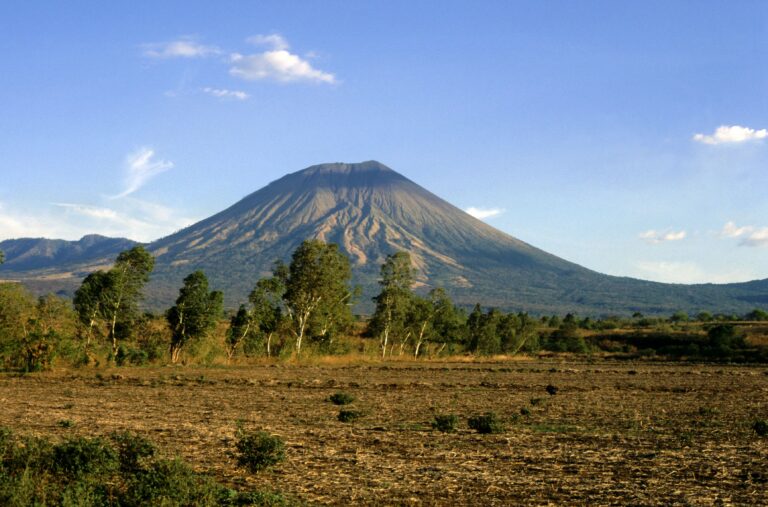
Joya de Cerén, often referred to as the 'Pompeii of the Americas,' is an extraordinary archaeological site located in El Salvador. This UNESCO World Heritage Site showcases the remnants of a Mayan village that was preserved under layers of volcanic ash following the eruption of the nearby San Miguel volcano around 600 AD. Visitors to Joya de Cerén can explore the well-preserved structures, including homes, a ceremonial site, and agricultural areas, providing a unique glimpse into the daily life of the ancient Maya.
The atmosphere at Joya de Cerén is both serene and educational, making it a perfect destination for history enthusiasts and curious travelers alike. The site features informative displays and guided tours that enhance the visitor experience, allowing guests to appreciate the significance of this archaeological treasure. As you walk through the site, you'll encounter the remnants of pottery, tools, and other artifacts that tell the story of the people who once inhabited this vibrant community.
Continue reading the travel guide
Travel Guide to Joya de Cerén
When planning your visit, consider the practical aspects such as accessibility and nearby attractions. Joya de Cerén is located approximately 30 kilometers from San Salvador, making it easily reachable by car or public transport. The site is surrounded by lush landscapes, adding to its charm and making it a peaceful retreat from the bustling city life.
Why Visit?
Visiting Joya de Cerén offers a rare opportunity to step back in time and explore a well-preserved Mayan village, providing insight into ancient life and culture. The site's historical significance and tranquil surroundings make it a must-see for anyone interested in archaeology or history.
Best Time to Visit
The best time to visit Joya de Cerén is during the dry season from November to April, when the weather is more favorable for exploring the site. Early mornings or late afternoons are ideal for avoiding the heat and crowds.
Ready to go? Plan your Joya de Cerén trip → Good to know →
Plan your trip to Joya de Cerén
Flights, accommodation and ways to get around — plan the details that matter to you.
Find flights to Joya de Cerén
Nearest recommended airport search point: SAL.
See recent flight offersTo San Salvador €197From San Salvador €236
Recent flight offers
Compare available fares and routes for Joya de Cerén.
Flights to San Salvador Arrivals · SAL
Cheap Flights to San Salvador for Joya de Cerén (SAL)
Compare recent fares to San Salvador, the suggested airport search point for visiting Joya de Cerén. Choose a listed deal or use the search box above to check prices from your airport.
Flights from Joya de Cerén Departures · SAL
Cheap Flights from San Salvador (SAL)
Compare the latest low fares from San Salvador to popular destinations. Prices are updated regularly and may change based on travel dates and availability.
Stay & getting around
Choose a neighbourhood, then decide how you will get from the airport and around the city.
Where to stay Neighbourhoods and accommodation
Where to Stay in Joya de Cerén
While there are no accommodations directly at Joya de Cerén, nearby San Salvador offers a range of hotels and guesthouses, making it a convenient base for exploring the archaeological site and other attractions in the region.
Getting around Airport transfers and local transport

Getting Around Joya de Cerén
To reach Joya de Cerén, visitors can take a bus or taxi from San Salvador, which takes about 30 minutes. Once at the site, it is best to explore on foot, as the area is compact and designed for walking tours.
Travel essentials
 Stay connected
 Flight delayed or cancelled?
Popular Activities in Joya de Cerén
Good to know about Joya de Cerén
Map & DirectionsChoose a map
Open Joya de Cerén in your preferred map app.




Country factsCapital, language and useful details
Quick Facts
Country
Location
Practical Information
Climate
El Salvador has a tropical climate, characterized by a wet season from May to October and a dry season from November to April. Coastal areas tend to be warmer, while the highlands can be cooler, especially at night.
Money
The local currency is the USD - US Dollar ($). Credit and debit cards are widely accepted in urban areas, but it's advisable to carry cash for small purchases, local transport, and in rural regions.
Internet & SIM
Mobile coverage is generally good in urban areas, with various providers offering SIM cards and eSIM options for tourists. Wi-Fi is available in many hotels, cafes, and restaurants, making it easy to stay connected during your visit.
Electricity
Voltage: 120 V
Frequency: 60 Hz
Safety
Emergency
911
Explore more in El Salvador
Places to Visit in El Salvador
Cities in El Salvador
About NomadRoute
NomadRoute helps travelers discover destinations, compare flight options, and find competitive fares from trusted airlines and travel providers worldwide. We do not sell airline tickets directly. Instead, we connect travelers with leading booking partners.
Find low fares from trusted travel providers.
Compare options and book directly with partners.
Explore destinations and routes worldwide.