
Travel Guide to Western Sahara
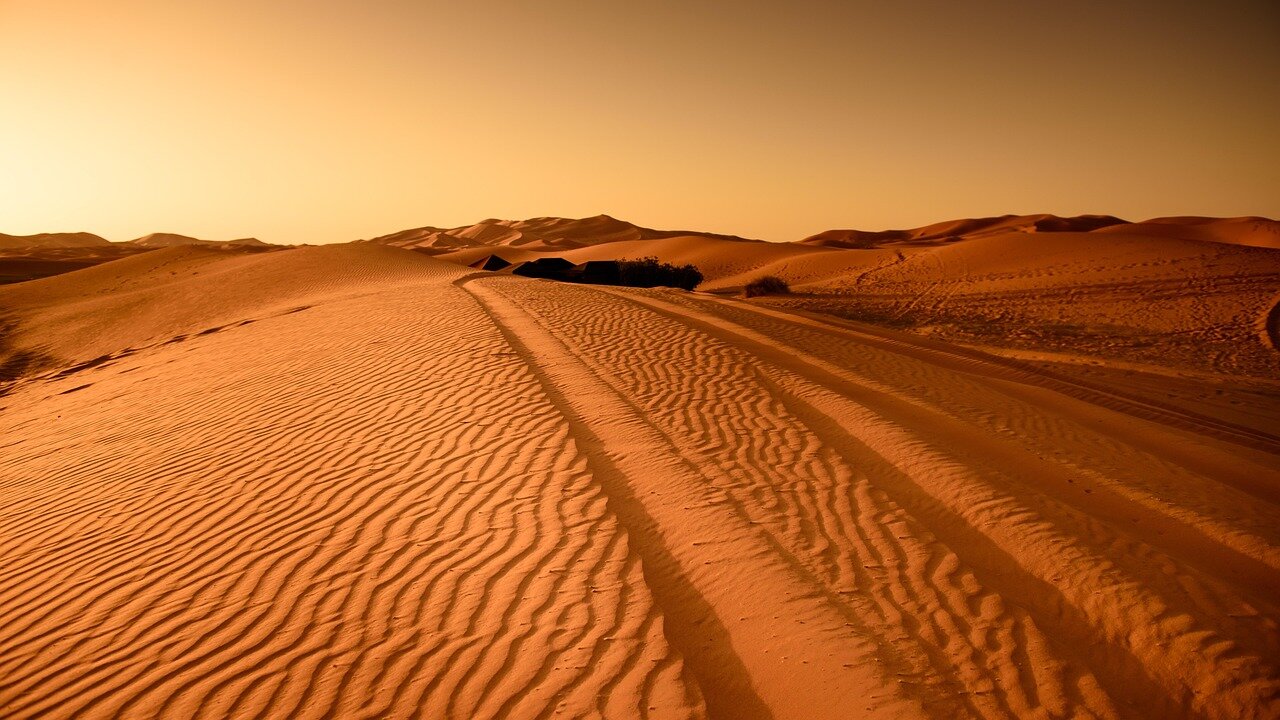
Western Sahara, located in North Africa, is a territory that captivates visitors with its unique blend of natural beauty and cultural heritage. The capital city, El Aaiún, serves as a starting point for exploring the vast desert landscapes, including the breathtaking Erg Chegaga dunes, which are among the largest in the region. The rugged coastline along the Atlantic Ocean offers a stark contrast to the arid interior, providing opportunities for both adventure and relaxation.
The local Sahrawi culture is deeply rooted in nomadic traditions, reflected in their music, dance, and cuisine. Travelers can immerse themselves in this rich culture by visiting local markets, enjoying traditional meals, and participating in cultural events. Historical sites, such as the ancient town of Smara, offer a glimpse into the region's past, while the warm hospitality of the Sahrawi people enhances the overall experience.
Continue reading the travel guide
Travel Guide to Western Sahara
Nature lovers will find plenty to explore, from the stunning coastal cliffs to the fertile oases that punctuate the desert landscape. Activities like camel trekking, hiking, and photography are popular, especially during the serene sunsets that paint the desert sky. With its combination of adventure, culture, and breathtaking scenery, Western Sahara invites exploration and discovery, making it a memorable destination for those seeking something truly unique.
Why Visit?
Western Sahara is an extraordinary destination for adventurous travelers eager to explore untouched landscapes and immerse themselves in rich cultural traditions. Experience the awe-inspiring Erg Chegaga dunes, engage with the welcoming Sahrawi community, and uncover the historical significance of towns like Smara. Whether trekking through the desert or savoring local delicacies, Western Sahara promises a distinctive travel experience that is both enriching and unforgettable.
Best Time to Visit
The ideal time to visit Western Sahara is from October to April, when the weather is cooler and more conducive to outdoor activities. Spring (March to May) is particularly pleasant, making it perfect for exploring both desert and coastal areas. Summer can be extremely hot, especially inland, so it's advisable to avoid this season if possible. Autumn (September to November) is also a great choice, as temperatures start to drop and the landscape becomes more inviting after the summer heat. Additionally, be aware of local festivals and events that can enhance your travel experience.
Western Sahara highlights
View all
Top Attractions in Western Sahara
- Erg Chegaga Dunes
- El Aaiún
- Smara
- Dakhla
- Boujdour
- Lagouira
- Tifariti
- Oasis of Figuig
Ready to go? Plan your Western Sahara trip → Good to know →
Plan your trip to Western Sahara
Flights, accommodation and ways to get around — plan the details that matter to you.
Stay & getting around
Choose a neighbourhood, then decide how you will get from the airport and around the city.
Where to stay Neighbourhoods and accommodation
Where to Stay in Western Sahara
Accommodations in Western Sahara vary from hotels in El Aaiún to guesthouses and desert camps. In El Aaiún, visitors can find comfortable hotels catering to different budgets. For a unique experience, consider staying in a desert camp, where you can enjoy traditional meals and stargazing under the clear Saharan sky. It's wise to book in advance, especially during peak travel seasons to ensure availability.
Getting around Airport transfers and local transport

Getting Around Western Sahara
Transportation options in Western Sahara include taxis, buses, and rental cars. In urban areas like El Aaiún, taxis are readily available for short distances. For longer journeys, bus services connect major cities, while renting a car can provide flexibility for exploring remote areas and the desert. However, travelers should be prepared for varying road conditions and ensure they have sufficient supplies when venturing into less populated regions.
Travel essentials
 Stay connected
 Flight delayed or cancelled?
Popular Activities in Western Sahara
Good to know about Western Sahara
Map & DirectionsChoose a map
Open Western Sahara in your preferred map app.




Country factsCapital, language and useful details
Quick Facts
Country
Location
Practical Information
Climate
Western Sahara features a predominantly arid climate, characterized by hot summers and mild winters. Coastal areas experience more moderate temperatures due to the Atlantic Ocean, while the interior can become extremely hot during the summer months. Rainfall is scarce, with the majority occurring in winter.
Money
The local currency is the Moroccan Dirham (MAD). While cards are accepted in many urban areas, carrying cash is advisable for small purchases, local transport, and in rural areas where card facilities may be limited.
Internet & SIM
Mobile coverage is generally good in urban areas, and SIM cards are available for purchase. Wi-Fi access can be found in hotels and some cafes, but it may be limited in remote regions.
Electricity
Voltage: 220 / 230 V
Frequency: 50 Hz
Safety
Emergency
112 / 999
Frequently Asked Travel Questions
What is the best time to visit Western Sahara?
The best time to visit is from October to April when temperatures are cooler, making outdoor activities more enjoyable.
What currency is used in Western Sahara?
The local currency is the Moroccan Dirham (MAD), and it's advisable to carry some cash for small purchases.
Are there any entry requirements for visiting Western Sahara?
Entry requirements can vary, so it's best to check with official sources for the latest visa and entry regulations before traveling.
What are the main airports in Western Sahara?
El Aaiún has the main airport, Hassan I Airport, which connects to several domestic and limited international flights.
Is Western Sahara safe for travelers?
Western Sahara is generally safe for travelers, but it's important to stay informed about local conditions and follow standard travel precautions.
Explore more in Western Sahara
Places to Visit in Western Sahara
Cities in Western Sahara
About NomadRoute
NomadRoute helps travelers discover destinations, compare flight options, and find competitive fares from trusted airlines and travel providers worldwide. We do not sell airline tickets directly. Instead, we connect travelers with leading booking partners.
Discover More Destinations
Find low fares from trusted travel providers.
Compare options and book directly with partners.
Explore destinations and routes worldwide.