
Travel Guide to The Norfolk Island Museum
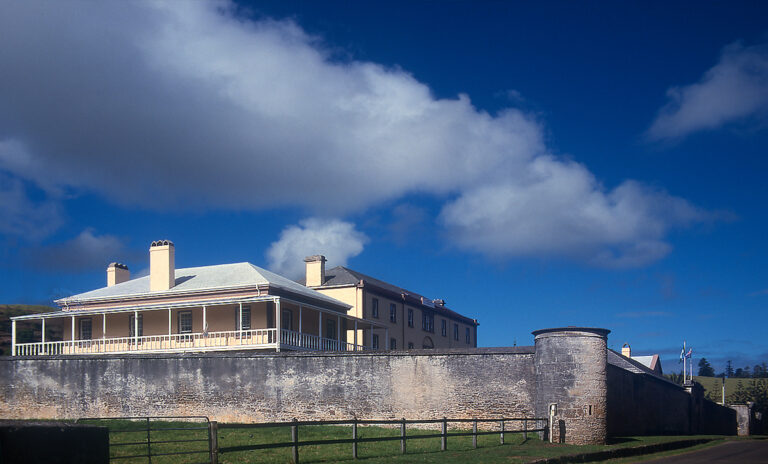
The Norfolk Island Museum is a captivating destination that offers visitors a deep dive into the island's unique history and culture. Situated on the picturesque Norfolk Island, this museum is dedicated to preserving and presenting the stories of the island's inhabitants, from the early Polynesian settlers to the more recent European colonization. The museum's exhibits feature a variety of artifacts, photographs, and interactive displays that illustrate the island's evolution over the centuries.
Visitors can expect to see collections that highlight the island's maritime history, including shipwrecks and the significance of the sea to the local community. Additionally, the museum hosts temporary exhibitions that focus on various aspects of Norfolk Island's culture, such as its flora and fauna, traditional crafts, and the impact of its convict history. The museum is not just a place to observe; it encourages engagement through workshops and guided tours, making it a valuable educational resource for all ages.
Continue reading the travel guide
Travel Guide to The Norfolk Island Museum
Located conveniently near the island's main settlement, the museum is easily accessible for visitors. It serves as a perfect starting point for exploring the rest of Norfolk Island, where you can immerse yourself in its natural beauty and historical sites. Whether you're a history buff or simply curious about this remote island, the Norfolk Island Museum promises an enriching experience.
Why Visit?
Visiting the Norfolk Island Museum is essential for understanding the island's rich cultural tapestry and history. The museum offers unique insights into the lives of its inhabitants and showcases artifacts that tell the story of this remote paradise. Engaging exhibits and educational programs make it a must-see for anyone interested in the heritage of Norfolk Island.
Best Time to Visit
The best time to visit Norfolk Island is during the Australian summer months from December to February, when the weather is warm and ideal for outdoor activities. However, spring (September to November) and autumn (March to May) also offer pleasant temperatures and fewer crowds, making it a great time for exploration.
Ready to go? Plan your The Norfolk Island Museum trip → Good to know →
Plan your trip to The Norfolk Island Museum
Flights, accommodation and ways to get around — plan the details that matter to you.
Find flights to The Norfolk Island Museum
Nearest recommended airport search point: NLK.
See recent flight offers
Recent flight offers
Compare available fares and routes for The Norfolk Island Museum.
Stay & getting around
Choose a neighbourhood, then decide how you will get from the airport and around the city.
Where to stay Neighbourhoods and accommodation
Where to Stay in The Norfolk Island Museum
For accommodation, consider staying in the main settlement of Burnt Pine, where you'll find a range of options from hotels to self-catering apartments. This central location provides easy access to the museum and other attractions on the island.
Getting around Airport transfers and local transport

Getting Around The Norfolk Island Museum
To reach Norfolk Island, fly into Norfolk Island Airport (NLK), which has regular flights from Australia. Once on the island, renting a car or bicycle is the most convenient way to explore, as public transport is limited. The museum is located within a short drive from most accommodations.
Travel essentials
 Stay connected
 Flight delayed or cancelled?
Popular Activities in The Norfolk Island Museum
Good to know about The Norfolk Island Museum
Map & DirectionsChoose a map
Open The Norfolk Island Museum in your preferred map app.




Country factsCapital, language and useful details
Quick Facts
Country
Location
Practical Information
Climate
Norfolk Island enjoys a mild maritime climate, characterized by warm summers and cool winters. The average temperature ranges from 10°C in winter to 24°C in summer, with rainfall occurring throughout the year, making it a pleasant destination for outdoor activities.
Money
The local currency is the AUD - Australian Dollar ($). Credit and debit cards are widely accepted in urban areas, but it's advisable to carry some cash for small purchases, local transport, and in more rural areas where card facilities may not be available.
Internet & SIM
Mobile coverage is generally good on Norfolk Island, with options for purchasing local SIM cards available at the airport and in town. Wi-Fi is accessible in many accommodations and public areas, making it easy to stay connected during your visit.
Electricity
Voltage: 230 / 240 V
Frequency: 50 Hz
Safety
Emergency
911 / 112
Explore more in Norfolk Island
Places to Visit in Norfolk Island

About NomadRoute
NomadRoute helps travelers discover destinations, compare flight options, and find competitive fares from trusted airlines and travel providers worldwide. We do not sell airline tickets directly. Instead, we connect travelers with leading booking partners.
Discover More Destinations
Find low fares from trusted travel providers.
Compare options and book directly with partners.
Explore destinations and routes worldwide.