
Travel Guide to Sighisoara
Sighisoara, one of the best-preserved medieval towns in Europe, offers a captivating glimpse into Romania's rich history. Nestled in the heart of Transylvania, this charming city is famous for its cobblestone streets, colorful buildings, and the iconic Clock Tower, which serves as a symbol of the town. Visitors can explore the Citadel, a UNESCO World Heritage site, where the medieval walls and towers still stand strong, providing stunning views of the surrounding landscape.
The birthplace of Vlad the Impaler, Sighisoara is steeped in legend and history. The house where he was born is now a museum, drawing history enthusiasts from around the globe. The vibrant local culture is showcased through various festivals, including the Medieval Festival held every summer, where the streets come alive with music, dance, and traditional crafts.
Continue reading the travel guide
Travel Guide to Sighisoara
Getting around Sighisoara is easy, as the compact city center is best explored on foot. The local cuisine, featuring hearty dishes like sarmale (cabbage rolls) and cozonac (sweet bread), can be enjoyed in cozy restaurants and cafes scattered throughout the town. For those looking to venture beyond, nearby attractions include the picturesque villages of Viscri and Biertan, both known for their fortified churches and stunning countryside views.
Why Visit?
Sighisoara is a unique blend of history, culture, and stunning architecture, making it an essential stop for travelers in Romania. Its well-preserved medieval atmosphere, highlighted by the iconic Clock Tower and vibrant festivals, offers a captivating experience. Additionally, the city's rich culinary scene and proximity to beautiful Transylvanian landscapes enhance its appeal, ensuring visitors leave with unforgettable memories.
Best Time to Visit
The best time to visit Sighisoara is during the spring (April to June) and early autumn (September to October) when the weather is mild and the town is less crowded. Spring brings blooming flowers and vibrant festivals, making it a delightful time for exploration. Summer can be busy with tourists, especially during the Medieval Festival in July, while autumn offers stunning foliage and a more relaxed atmosphere. Winter, though cold, transforms Sighisoara into a picturesque snowy landscape, ideal for those seeking a quieter experience.
View all
Top Attractions in Sighisoara
- Clock Tower
- Sighisoara Citadel
- Vlad the Impaler's Birthplace
- Church on the Hill
- The Scholars' Stairs
- The Torture Museum
- The Covered Staircase
- Biertan Fortified Church
Ready to go? Plan your Sighisoara trip → Good to know →
Plan your trip to Sighisoara
Flights, accommodation and ways to get around — plan the details that matter to you.
Stay & getting around
Choose a neighbourhood, then decide how you will get from the airport and around the city.
Where to stay Neighbourhoods and accommodation
Where to Stay in Sighisoara
Sighisoara offers a range of accommodation options, from charming guesthouses within the citadel to modern hotels on the outskirts. For a unique experience, consider staying in a historic inn that reflects the town's medieval charm. Popular choices include Casa Wagner and Hotel Sighisoara, both conveniently located near major attractions.
Getting around Airport transfers and local transport

Getting Around Sighisoara
Sighisoara's compact size makes it easy to navigate on foot, allowing visitors to fully appreciate its medieval architecture and charming streets. Public transportation is limited, but taxis and local buses are available for those wishing to explore nearby attractions. Biking is also an option for those looking to venture further into the surrounding countryside.
Travel essentials
 Stay connected
 Flight delayed or cancelled?
Popular Activities in Sighisoara
Good to know about Sighisoara
Country factsCapital, language and useful details
Quick Facts
Country
Location
Practical Information
Climate
Romania has a temperate-continental climate, characterized by four distinct seasons. Summers can be hot, especially in the south, while winters are cold with snowfall in many regions. Spring and autumn are generally mild and pleasant.
Money
The local currency is RON - Romanian Leu (lei). Cards are widely accepted in urban areas, but it's advisable to carry cash for small purchases, local transport, and in rural areas where card facilities may be limited.
Internet & SIM
Mobile coverage is generally good throughout Romania, with several providers offering SIM and eSIM options for tourists. Wi-Fi is commonly available in hotels, cafes, and public spaces, making it easy to stay connected.
Electricity
Voltage: 230 V
Frequency: 50 Hz
Safety
Emergency
112
Frequently Asked Travel Questions
What is the best time to visit Sighisoara?
The best time to visit Sighisoara is during spring and early autumn when the weather is mild and the crowds are smaller.
How long should I plan to stay in Sighisoara?
A trip of 2-3 days is ideal to explore Sighisoara's main attractions and enjoy its local culture.
What are the main attractions in Sighisoara?
Top attractions include the Clock Tower, Sighisoara Citadel, and Vlad the Impaler's Birthplace, among others.
How do I get around Sighisoara?
Sighisoara is best explored on foot due to its compact size, but taxis and local buses are available for nearby excursions.
Is Sighisoara safe for tourists?
Yes, Sighisoara is generally safe for tourists, but like any destination, it's wise to stay aware of your surroundings.
Explore more in Romania
Places to Visit in Romania
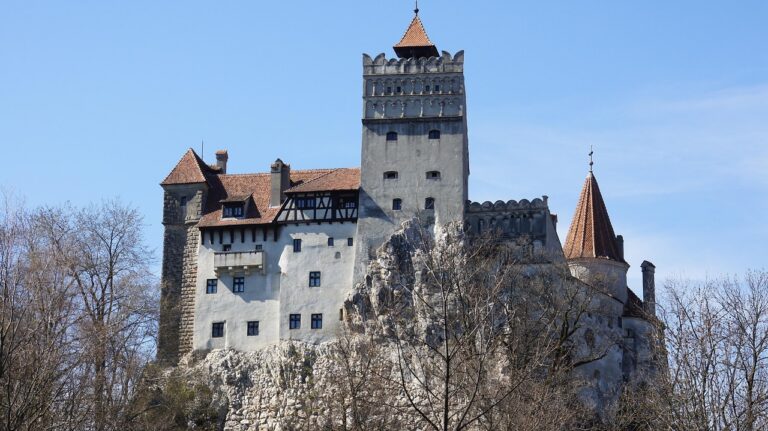
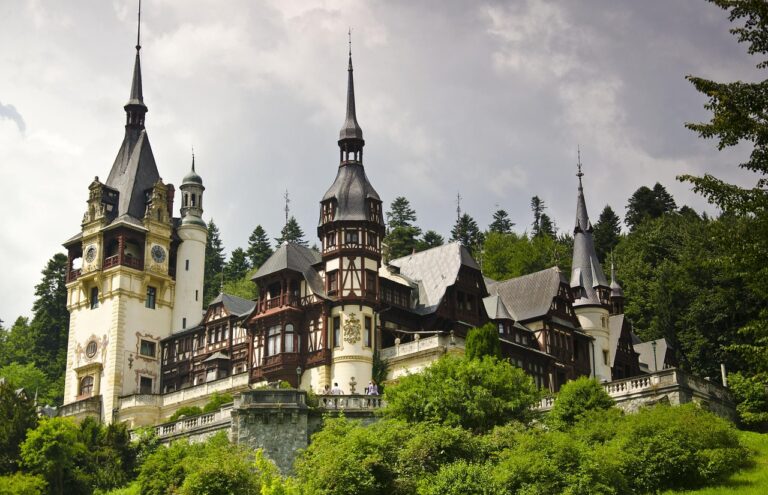
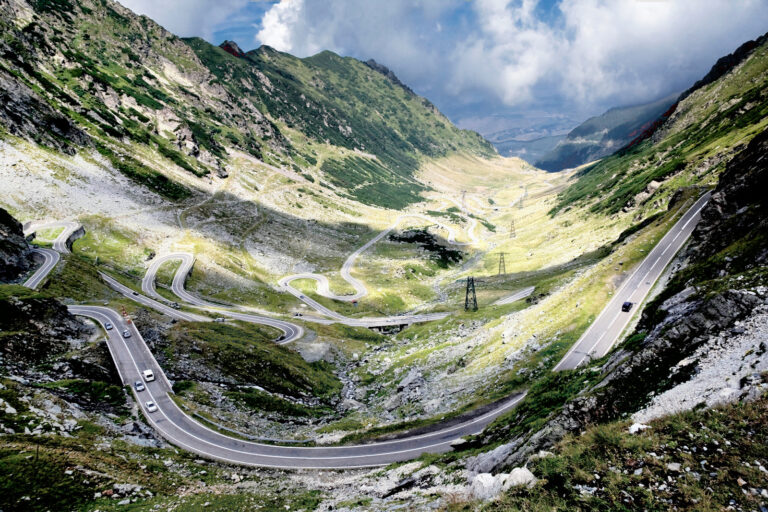
Cities in Romania
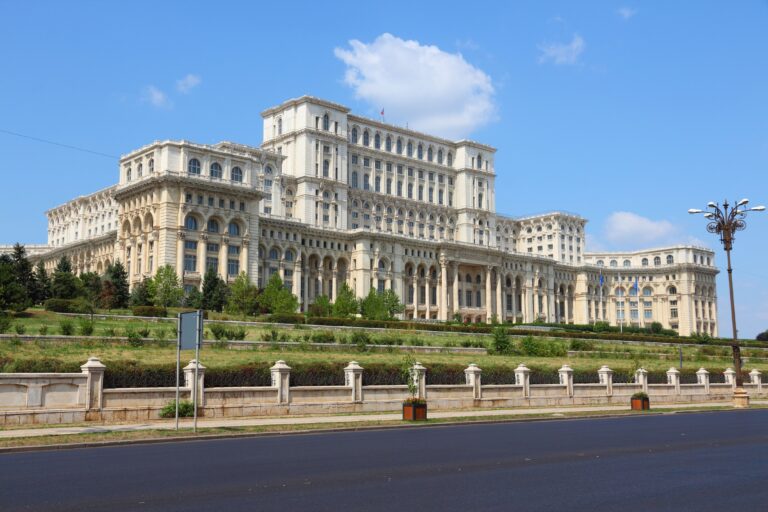
About NomadRoute
NomadRoute helps travelers discover destinations, compare flight options, and find competitive fares from trusted airlines and travel providers worldwide. We do not sell airline tickets directly. Instead, we connect travelers with leading booking partners.
Discover More Destinations
Find low fares from trusted travel providers.
Compare options and book directly with partners.
Explore destinations and routes worldwide.
Photo · MarculescuEugenIancuD60Alaska from Anchorage, Alaska, USA · Wikimedia Commons · CC BY-SA 2.0