
Travel Guide to Sahara Desert
The Sahara Desert, stretching across Morocco, is one of the most iconic natural landscapes in the world. Its golden dunes, some reaching heights of over 500 feet, create a breathtaking panorama that changes with the shifting winds. Visitors can experience the tranquil beauty of the desert through camel treks, where the rhythmic sound of footsteps on the sand enhances the sense of adventure. The Sahara is not just about its stunning vistas; it is also steeped in history and culture, with ancient trade routes and Berber villages dotting the landscape.
Exploring the Sahara offers a unique opportunity to connect with nature and learn about the traditional lifestyles of the local communities. The desert is home to a variety of wildlife, including foxes, snakes, and numerous bird species, making it a fascinating destination for nature enthusiasts. As the sun sets, the desert transforms into a magical place, with the sky painted in hues of orange and purple, providing an unforgettable experience for visitors.
Continue reading the travel guide
Travel Guide to Sahara Desert
When planning a visit, consider the practical aspects such as the best time to explore, which is typically during the cooler months from October to April. This period allows for comfortable temperatures during the day and cooler nights, perfect for stargazing. The nearest airport is Rabat-Salé Airport (RBA), making it accessible for international travelers. Whether you're seeking adventure, tranquility, or cultural immersion, the Sahara Desert promises an unforgettable journey.
Why Visit?
The Sahara Desert offers a unique blend of stunning natural beauty, rich cultural experiences, and thrilling adventures, making it a must-visit destination for travelers seeking both relaxation and exploration.
Best Time to Visit
The best time to visit the Sahara Desert is between October and April when temperatures are milder, making outdoor activities more enjoyable.
Ready to go? Plan your Sahara Desert trip → Good to know →
Plan your trip to Sahara Desert
Flights, accommodation and ways to get around — plan the details that matter to you.
Find flights to Sahara Desert
Nearest recommended airport search point: RBA.
See recent flight offersTo Rabat €26From Rabat €32
Recent flight offers
Compare available fares and routes for Sahara Desert.
Flights to Rabat Arrivals · RBA
Cheap Flights to Rabat for Sahara Desert (RBA)
Compare recent fares to Rabat, the suggested airport search point for visiting Sahara Desert. Choose a listed deal or use the search box above to check prices from your airport.
Flights from Sahara Desert Departures · RBA
Cheap Flights from Rabat (RBA)
Compare the latest low fares from Rabat to popular destinations. Prices are updated regularly and may change based on travel dates and availability.
Stay & getting around
Choose a neighbourhood, then decide how you will get from the airport and around the city.
Where to stay Neighbourhoods and accommodation
Where to Stay in Sahara Desert
The most practical base for exploring the Sahara Desert is Merzouga, a small village located near the Erg Chebbi dunes, offering various accommodation options from luxury desert camps to budget hostels.
Getting around Airport transfers and local transport

Getting Around Sahara Desert
Travelers can reach the Sahara Desert via Rabat-Salé Airport (RBA), followed by a combination of rental cars, guided tours, or local taxis to navigate the region. Once in the desert, camel rides and 4x4 vehicles are popular for exploring the vast landscapes.
Travel essentials
 Stay connected
 Flight delayed or cancelled?
Popular Activities in Sahara Desert
Good to know about Sahara Desert
Country factsCapital, language and useful details
Quick Facts
Country
Location
Practical Information
Climate
Morocco has a varied climate, with coastal areas experiencing a Mediterranean climate, while the interior features a more continental climate. Summers can be hot, especially in the desert regions, while winters are mild in most areas.
Money
The local currency is MAD - Moroccan Dirham (د.م.). Cards are accepted in many places, but carrying some cash can be useful for small purchases, local transport, and rural areas.
Internet & SIM
Mobile coverage in Morocco is generally good, with several providers offering SIM cards and eSIM options. Wi-Fi is available in urban areas and many hotels, but may be limited in rural regions.
Electricity
Voltage: 220 V
Frequency: 50 Hz
Safety
Emergency
19 / 15
Explore more in Morocco
Places to Visit in Morocco
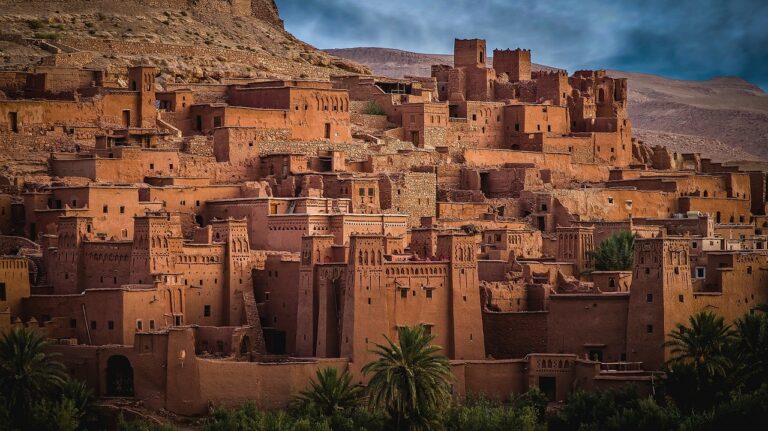
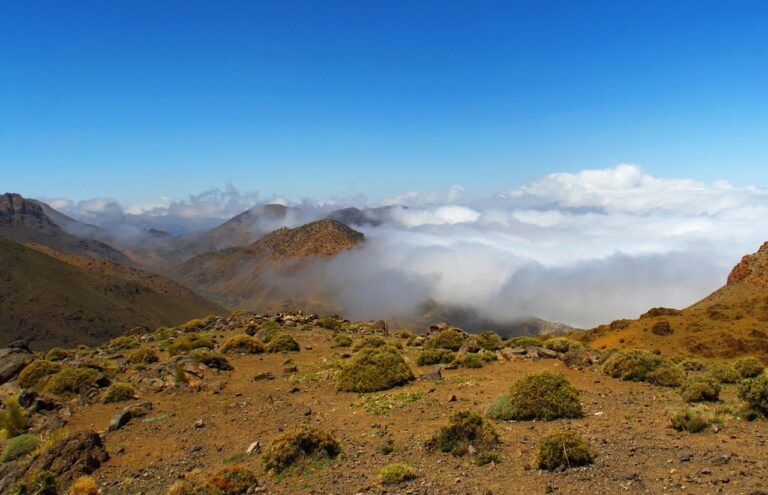
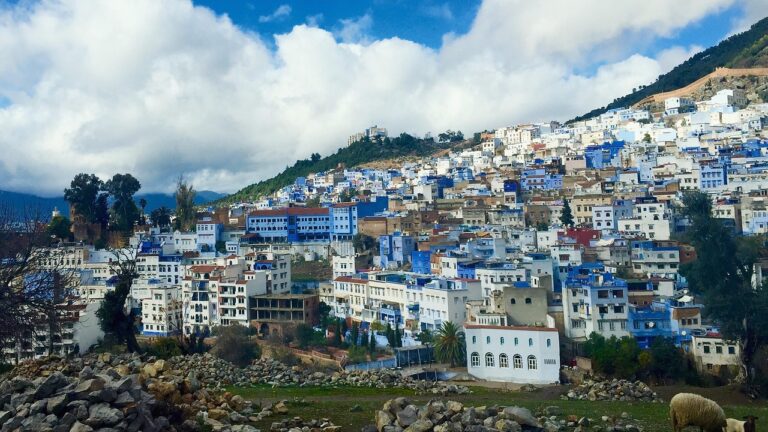
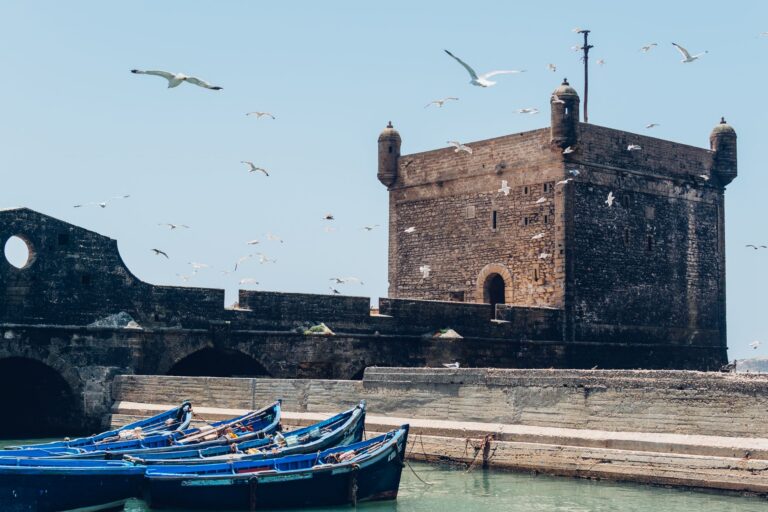
Cities in Morocco
About NomadRoute
NomadRoute helps travelers discover destinations, compare flight options, and find competitive fares from trusted airlines and travel providers worldwide. We do not sell airline tickets directly. Instead, we connect travelers with leading booking partners.
Find low fares from trusted travel providers.
Compare options and book directly with partners.
Explore destinations and routes worldwide.