
Travel Guide to Ranomafana National Park
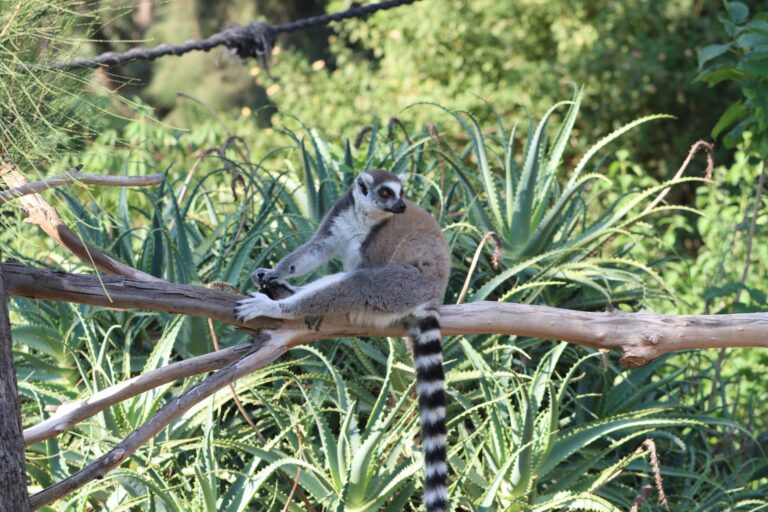
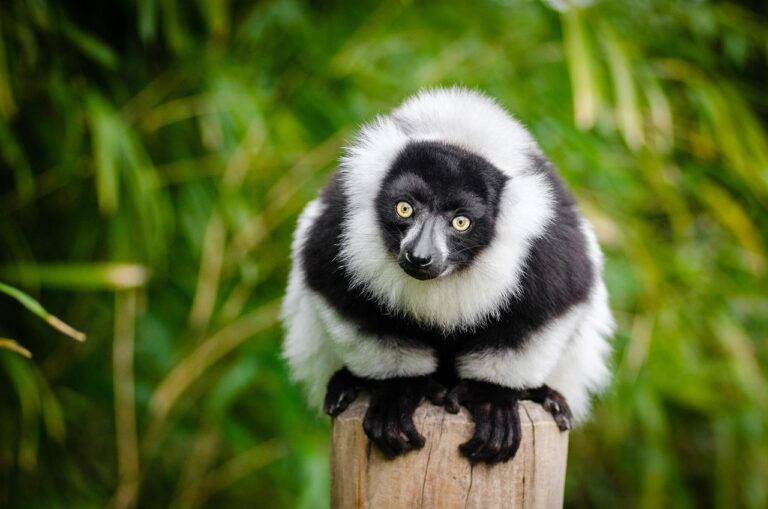
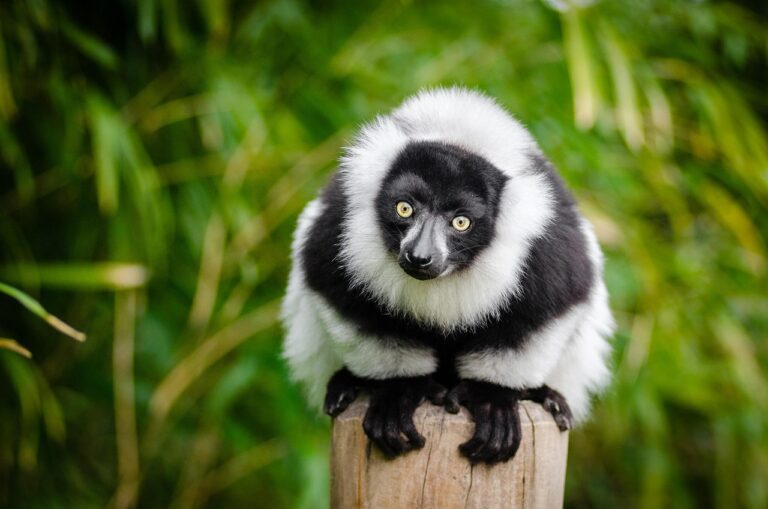
Nestled in the southeastern region of Madagascar, Ranomafana National Park spans over 41,600 hectares of pristine rainforest, offering a unique glimpse into the island's diverse ecosystems. Established in 1991, this UNESCO World Heritage site is home to an impressive array of wildlife, including several species of lemurs, chameleons, and endemic birds. The park's name, which means 'hot water' in Malagasy, refers to the natural hot springs found within its boundaries, providing a relaxing retreat after a day of exploring.
Visitors to Ranomafana can expect to encounter well-maintained trails that wind through the dense foliage, leading to breathtaking viewpoints and opportunities for wildlife spotting. The park's rich flora and fauna make it a paradise for birdwatchers and photographers alike. Guided tours are available, allowing guests to learn about the unique species that inhabit the park and the importance of conservation efforts in this fragile ecosystem.
Continue reading the travel guide
Travel Guide to Ranomafana National Park
Practical considerations for visiting include the best times to explore the park, which are typically during the dry season from April to November. The nearest airport is in the town of Mananjary, approximately 60 kilometers away, making it accessible for travelers looking to immerse themselves in Madagascar's natural beauty.
Why Visit?
Ranomafana National Park is a haven for wildlife enthusiasts and adventure seekers, offering unparalleled opportunities to see rare species in their natural habitat. Its lush landscapes and rich biodiversity make it an essential stop for anyone looking to experience the unique ecology of Madagascar.
Best Time to Visit
The ideal time to visit Ranomafana National Park is during the dry season from April to November, when the weather is more favorable for hiking and wildlife spotting. Early mornings and late afternoons are the best times to see animals active in their natural habitat.
Ready to go? Plan your Ranomafana National Park trip → Good to know →
Plan your trip to Ranomafana National Park
Flights, accommodation and ways to get around — plan the details that matter to you.
Find flights to Ranomafana National Park
Nearest recommended airport search point: WMR.
See recent flight offers
Recent flight offers
Compare available fares and routes for Ranomafana National Park.
Stay & getting around
Choose a neighbourhood, then decide how you will get from the airport and around the city.
Where to stay Neighbourhoods and accommodation
Where to Stay in Ranomafana National Park
The nearby town of Ranomafana offers several accommodation options, including lodges and guesthouses, making it a convenient base for exploring the national park. Staying in this area allows easy access to the park's entrance and guided tours.
Getting around Airport transfers and local transport

Getting Around Ranomafana National Park
Travelers can reach Ranomafana National Park by road from the nearest city, Fianarantsoa, which is about 60 kilometers away. Once inside the park, guided tours are recommended for navigating the trails and maximizing wildlife sightings. Local guides can provide valuable insights into the park's ecology and help ensure a safe and enjoyable experience.
Travel essentials
 Stay connected
 Flight delayed or cancelled?
Popular Activities in Ranomafana National Park
Good to know about Ranomafana National Park
Map & DirectionsChoose a map
Open Ranomafana National Park in your preferred map app.




Country factsCapital, language and useful details
Quick Facts
Country
Location
Practical Information
Climate
Madagascar has varied travel conditions depending on the region and season. The coastal areas experience a tropical climate, while the highlands have a more temperate climate. The dry season from May to October is generally the best time for travel, while the rainy season from January to March can bring heavy rains and cyclones.
Money
The local currency is MGA - Malagasy Ariary. Cards are accepted in many places, but carrying some cash can be useful for small purchases, local transport, and rural areas.
Internet & SIM
Mobile coverage is available in most urban areas, with several providers offering SIM and eSIM options. Wi-Fi can be found in hotels and some cafes, but connectivity may be limited in rural regions.
Electricity
Voltage: 220 / 230 V
Frequency: 50 Hz
Safety
Emergency
112 / 999
Explore more in Madagascar
Places to Visit in Madagascar

Cities in Madagascar
About NomadRoute
NomadRoute helps travelers discover destinations, compare flight options, and find competitive fares from trusted airlines and travel providers worldwide. We do not sell airline tickets directly. Instead, we connect travelers with leading booking partners.
Discover More Destinations
Find low fares from trusted travel providers.
Compare options and book directly with partners.
Explore destinations and routes worldwide.