
Travel Guide to Palace of Versailles
The Palace of Versailles, a UNESCO World Heritage site, is renowned for its breathtaking architecture and expansive gardens. Originally a hunting lodge for King Louis XIII, it was transformed into a grand palace by his son, Louis XIV, who moved the royal court here in the 17th century. The palace is a masterpiece of French Baroque architecture, featuring lavishly decorated rooms, including the Hall of Mirrors, where the Treaty of Versailles was signed in 1919, marking the end of World War I.
Visitors can explore the opulent state apartments, the stunning gardens designed by landscape architect André Le Nôtre, and the Trianon palaces, which served as retreats for the royal family. The gardens are particularly enchanting in spring and summer when the fountains are in full operation, creating a magical atmosphere. The palace also hosts various exhibitions and events throughout the year, making each visit unique.
Continue reading the travel guide
Travel Guide to Palace of Versailles
Accessibility to the Palace of Versailles is convenient, with regular train services from Paris. Once there, visitors can easily navigate the grounds on foot or rent bicycles to explore the extensive gardens. The palace is a must-visit for anyone interested in French history, art, and architecture, offering a glimpse into the extravagant lifestyle of the French monarchy.
Why Visit?
Visiting the Palace of Versailles is a chance to step back in time and experience the grandeur of France's royal history. The stunning architecture, exquisite gardens, and rich cultural significance make it a highlight for anyone traveling to France. The palace's historical importance and its role in shaping modern Europe add to its allure, ensuring an unforgettable experience for all visitors.
Best Time to Visit
The best time to visit the Palace of Versailles is during the spring (April to June) and early autumn (September to October) when the weather is pleasant and the gardens are in full bloom. Weekdays tend to be less crowded, allowing for a more enjoyable experience. Early morning visits are recommended to avoid the peak tourist rush.
Ready to go? Plan your Palace of Versailles trip → Good to know →
Plan your trip to Palace of Versailles
Flights, accommodation and ways to get around — plan the details that matter to you.
Find flights to Palace of Versailles
Nearest recommended airport search point: CDG.
See recent flight offersFrom CDG €50
Recent flight offers
Compare available fares and routes for Palace of Versailles.
Flights from Palace of Versailles Departures · CDG
Cheap Flights from CDG (CDG)
Compare the latest low fares from CDG to popular destinations. Prices are updated regularly and may change based on travel dates and availability.
Stay & getting around
Choose a neighbourhood, then decide how you will get from the airport and around the city.
Where to stay Neighbourhoods and accommodation
Where to Stay in Palace of Versailles
Versailles offers a variety of accommodation options, from charming hotels to guesthouses. Staying in the city allows easy access to the palace and its attractions. Alternatively, Paris is just a short train ride away, providing a wider range of lodging choices and vibrant city life.
Getting around Airport transfers and local transport

Getting Around Palace of Versailles
The Palace of Versailles is easily accessible via the RER C train from central Paris, with the journey taking about 30-40 minutes. Once at the palace, visitors can explore the grounds on foot, rent bicycles, or take a guided tour to fully appreciate the site's grandeur. Public transportation options are available for those wishing to explore the surrounding areas.
Travel essentials
 Stay connected
 Flight delayed or cancelled?
Popular Activities in Palace of Versailles
Good to know about Palace of Versailles
Map & DirectionsChoose a map
Open Palace of Versailles in your preferred map app.




Country factsCapital, language and useful details
Quick Facts
Country
Location
Practical Information
Climate
France has a varied climate, featuring Atlantic and continental climates in the north and central regions, Mediterranean conditions in the south, and alpine climates in mountainous areas. Seasonal characteristics include warm summers and cold winters, making it suitable for year-round travel.
Money
The local currency is EUR - Euro (€). Cards are widely accepted in urban areas, but it's advisable to carry some cash for small purchases, local transport, and in rural areas where card facilities may be limited.
Internet & SIM
France has good mobile coverage, with various providers offering SIM and eSIM options for tourists. Public Wi-Fi is available in many cities, especially in cafes and restaurants, making it easy to stay connected.
Electricity
Voltage: 230 V
Frequency: 50 Hz
Safety
Emergency
112
Explore more in France
Places to Visit in France
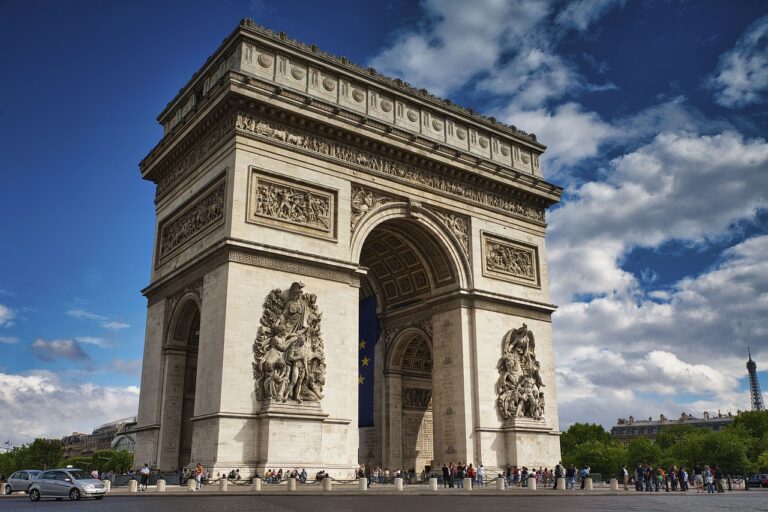
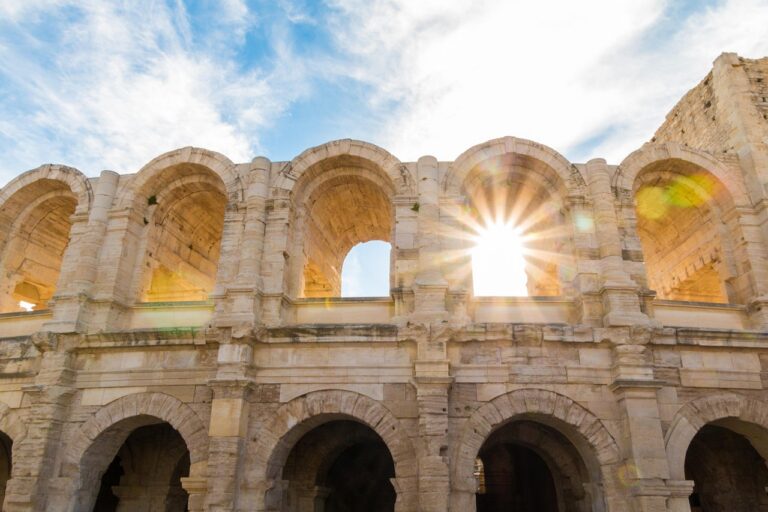
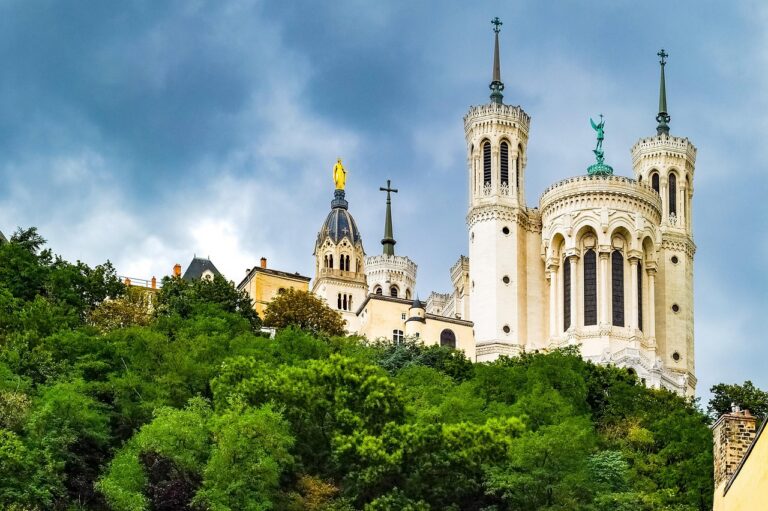
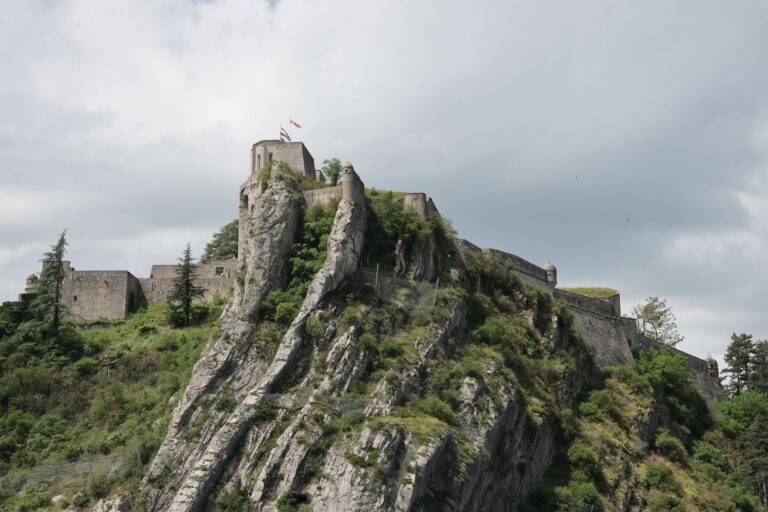

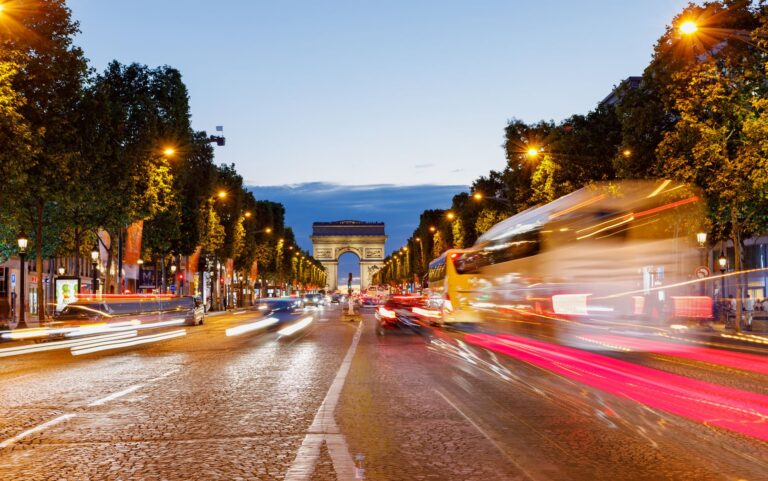
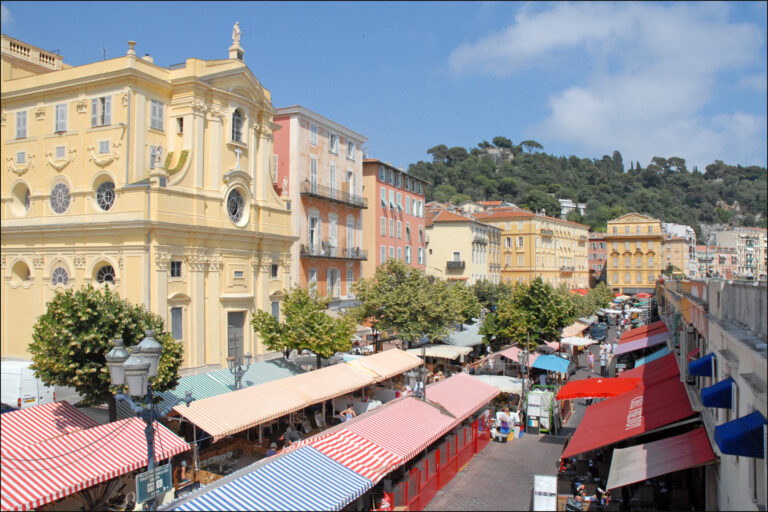
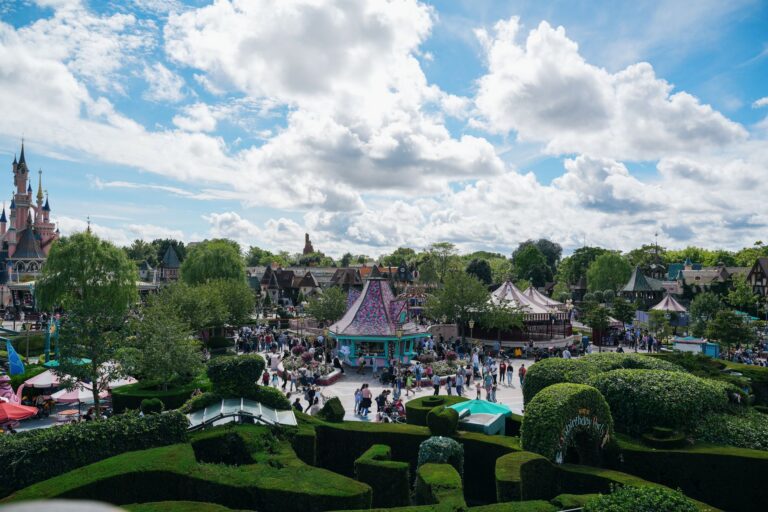

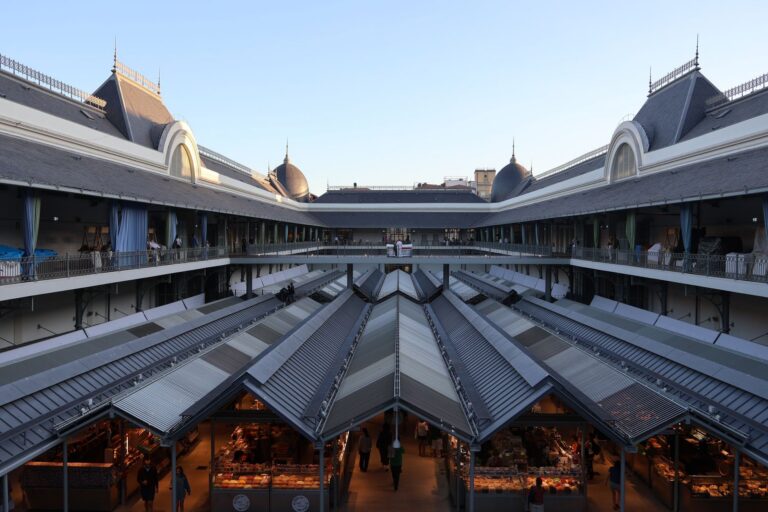
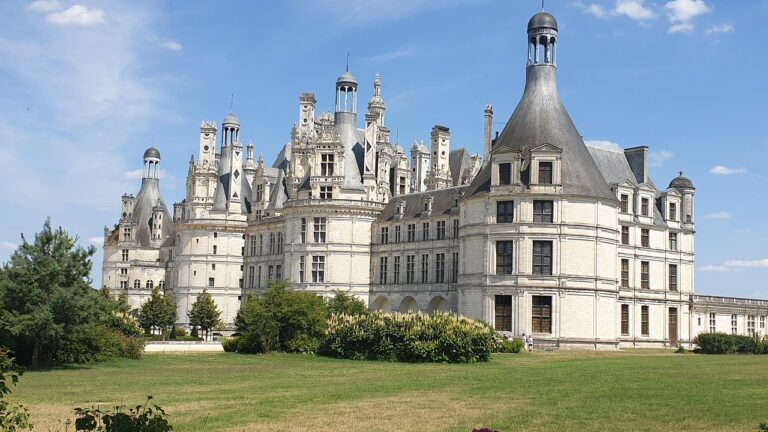

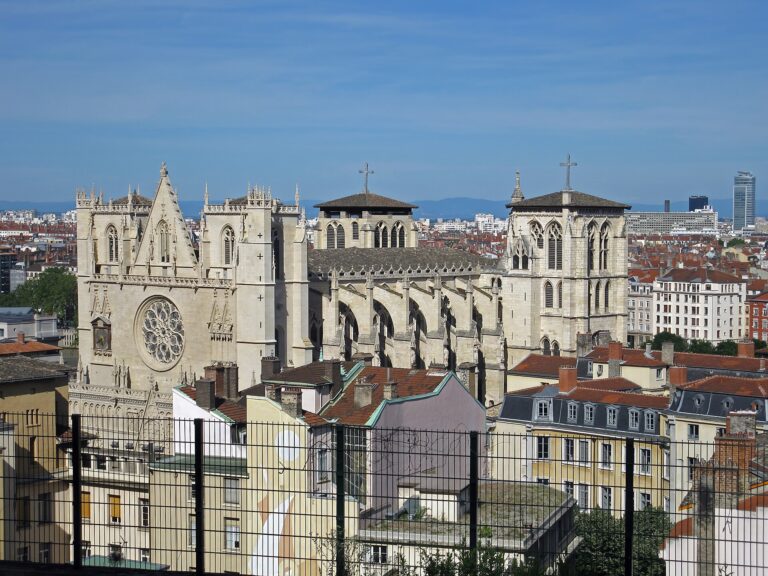
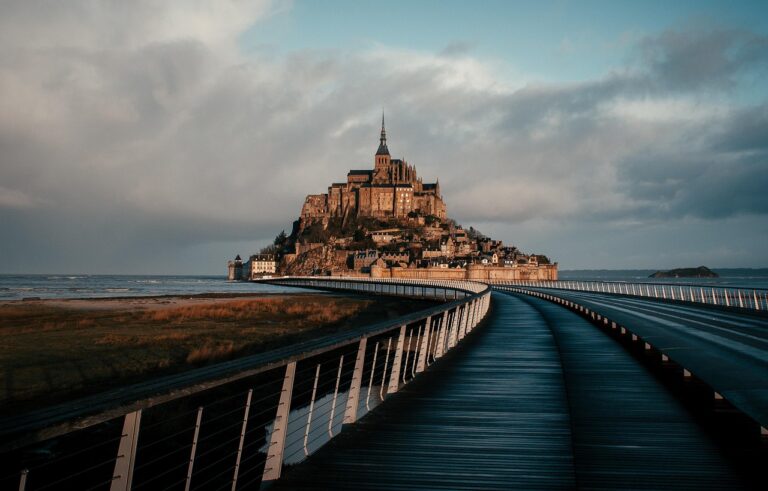
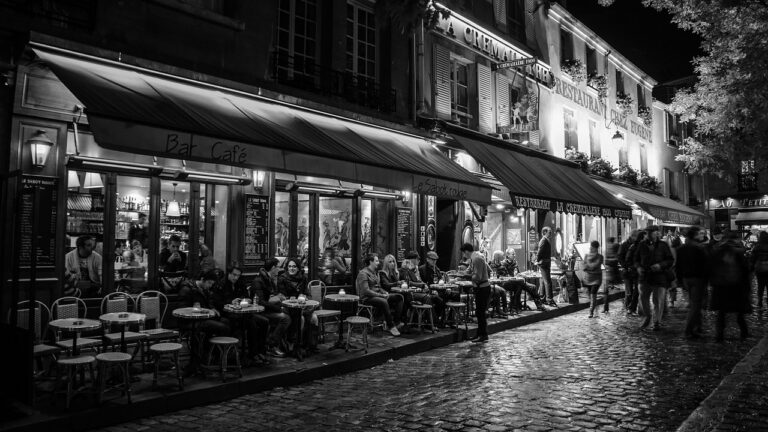
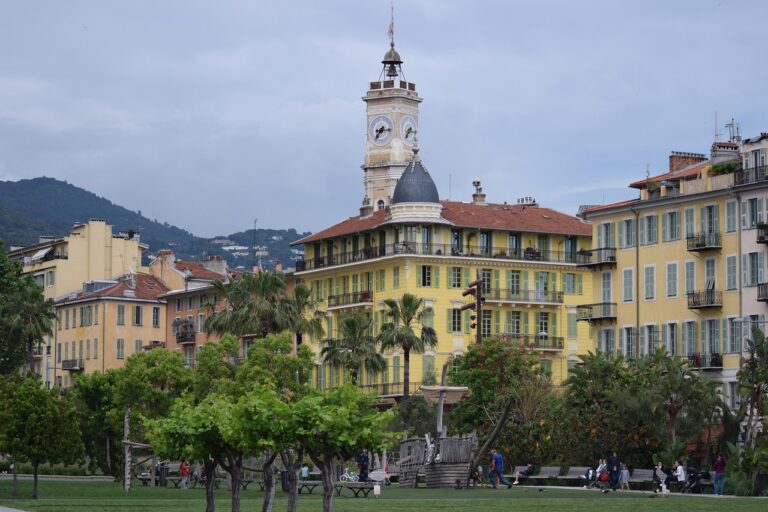

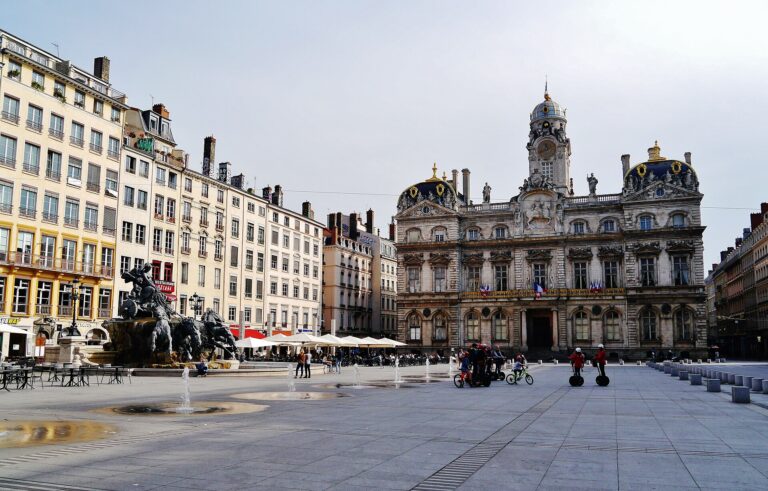
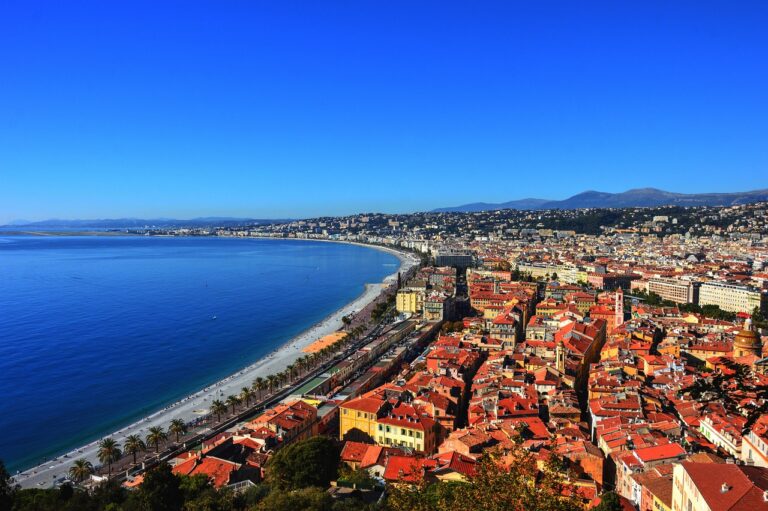
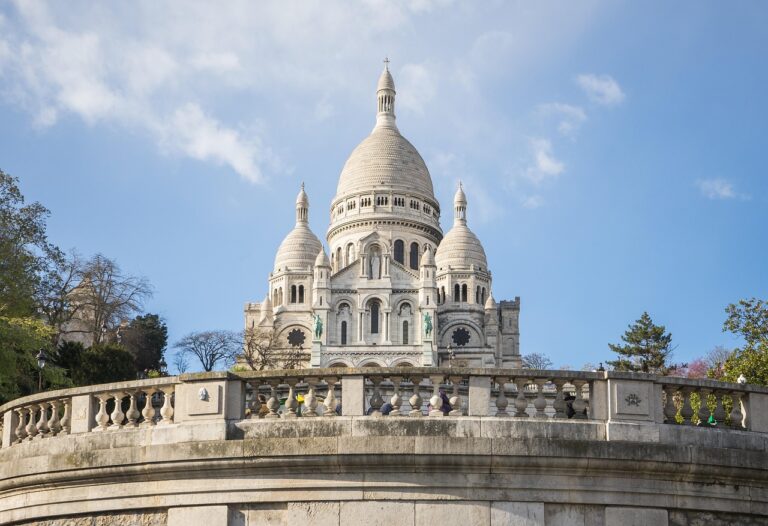
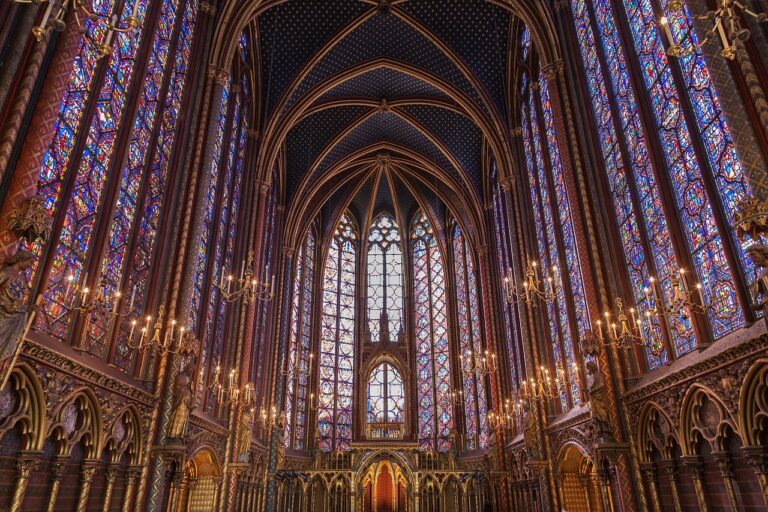
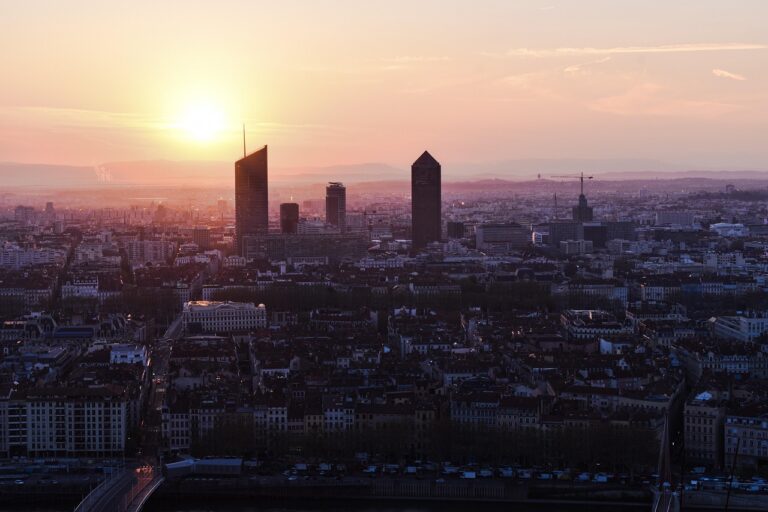
Cities in France
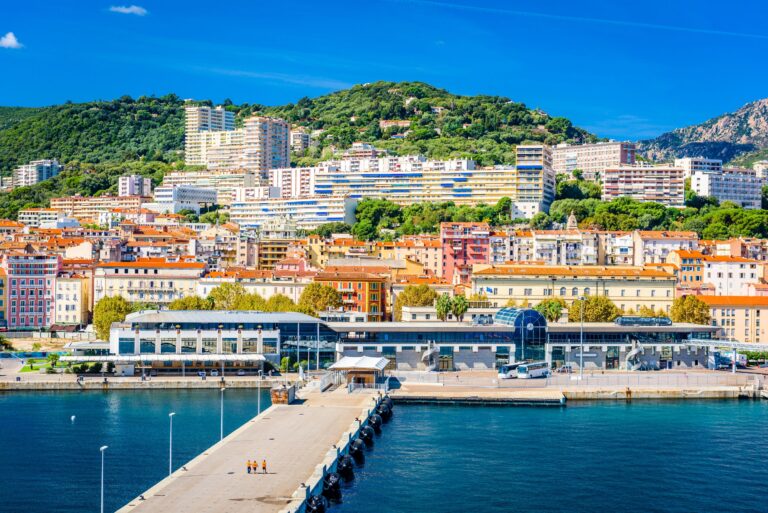
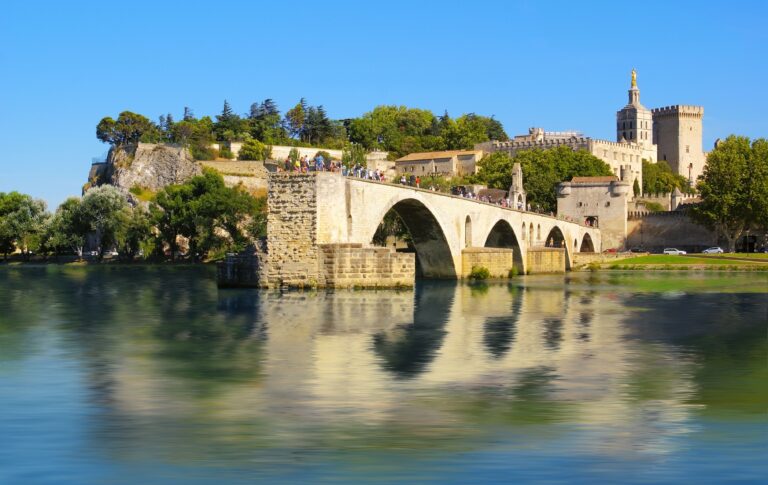

About NomadRoute
NomadRoute helps travelers discover destinations, compare flight options, and find competitive fares from trusted airlines and travel providers worldwide. We do not sell airline tickets directly. Instead, we connect travelers with leading booking partners.
Discover More Destinations
Find low fares from trusted travel providers.
Compare options and book directly with partners.
Explore destinations and routes worldwide.