
Travel Guide to Nyanga National Park
Nyanga National Park, nestled in the eastern highlands of Zimbabwe, is a captivating destination that offers visitors a blend of natural beauty and rich biodiversity. The park is characterized by its dramatic mountain ranges, lush forests, and serene lakes, making it a paradise for nature lovers and outdoor enthusiasts. With its elevation reaching over 2,500 meters, Nyanga boasts a cooler climate compared to other regions in Zimbabwe, providing a refreshing escape from the heat.
The park is home to a variety of wildlife, including antelope, baboons, and numerous bird species, making it a great spot for wildlife viewing and birdwatching. Visitors can explore the park's numerous hiking trails, which lead to stunning viewpoints and waterfalls, such as the famous Mutarazi Falls, the highest in Zimbabwe. The area's rich cultural heritage is also evident, with ancient stone ruins and local communities that offer insights into the traditions of the Shona people.
Continue reading the travel guide
Travel Guide to Nyanga National Park
For those seeking adventure, Nyanga National Park provides opportunities for fishing, horseback riding, and even golfing at the nearby Nyanga Golf Club. The park's tranquil environment and scenic beauty make it an ideal destination for relaxation and rejuvenation, attracting both local and international tourists alike.
Why Visit?
Nyanga National Park is a must-visit for its breathtaking landscapes, diverse wildlife, and numerous outdoor activities. Whether you're hiking to stunning viewpoints or exploring the rich cultural heritage, the park offers a unique experience that combines adventure and tranquility.
Best Time to Visit
The best time to visit Nyanga National Park is during the dry season from May to October, when the weather is cooler and wildlife is more easily spotted. The park is particularly beautiful in spring (September to November) when the flowers bloom, adding vibrant colors to the landscape.
Ready to go? Plan your Nyanga National Park trip → Good to know →
Plan your trip to Nyanga National Park
Flights, accommodation and ways to get around — plan the details that matter to you.
Find flights to Nyanga National Park
Nearest recommended airport search point: HRE.
See recent flight offersTo Harare €169From Harare €166
Recent flight offers
Compare available fares and routes for Nyanga National Park.
Flights to Harare Arrivals · HRE
Cheap Flights to Harare for Nyanga National Park (HRE)
Compare recent fares to Harare, the suggested airport search point for visiting Nyanga National Park. Choose a listed deal or use the search box above to check prices from your airport.
Flights from Nyanga National Park Departures · HRE
Cheap Flights from Harare (HRE)
Compare the latest low fares from Harare to popular destinations. Prices are updated regularly and may change based on travel dates and availability.
Stay & getting around
Choose a neighbourhood, then decide how you will get from the airport and around the city.
Where to stay Neighbourhoods and accommodation
Where to Stay in Nyanga National Park
The nearest town for accommodation is Nyanga, where visitors can find a range of lodges, guesthouses, and hotels. Staying in Nyanga provides easy access to the park and its attractions.
Getting around Airport transfers and local transport

Getting Around Nyanga National Park
To reach Nyanga National Park, travelers can fly into Harare International Airport (HRE) and then drive approximately 270 kilometers to the park. Once inside the park, visitors can explore on foot or by vehicle, with several trails and roads leading to key attractions.
Travel essentials
 Stay connected
 Flight delayed or cancelled?
Popular Activities in Nyanga National Park
Good to know about Nyanga National Park
Country factsCapital, language and useful details
Quick Facts
Country
Location
Practical Information
Climate
Zimbabwe has a varied climate, with a tropical climate in the lowlands and a temperate climate in the highlands. The dry season from May to October is ideal for wildlife viewing, while the rainy season from November to April brings lush landscapes.
Money
The local currency is the US Dollar (USD). Credit cards are widely accepted in urban areas, but it's advisable to carry some cash for small purchases and in rural regions.
Internet & SIM
Mobile coverage is generally good in urban areas, with several providers offering SIM cards and eSIM options. Wi-Fi is available in many hotels and cafes, but connectivity may be limited in remote areas.
Electricity
Voltage: 220 / 230 V
Frequency: 50 Hz
Safety
Emergency
112 / 999
Explore more in Zimbabwe
Places to Visit in Zimbabwe
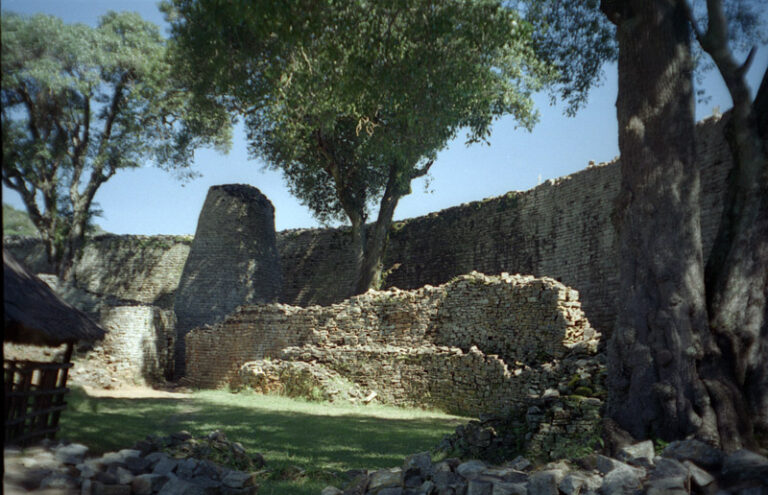
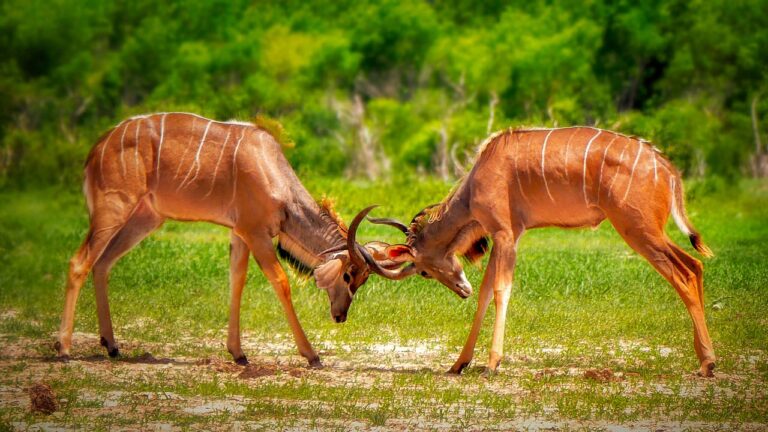
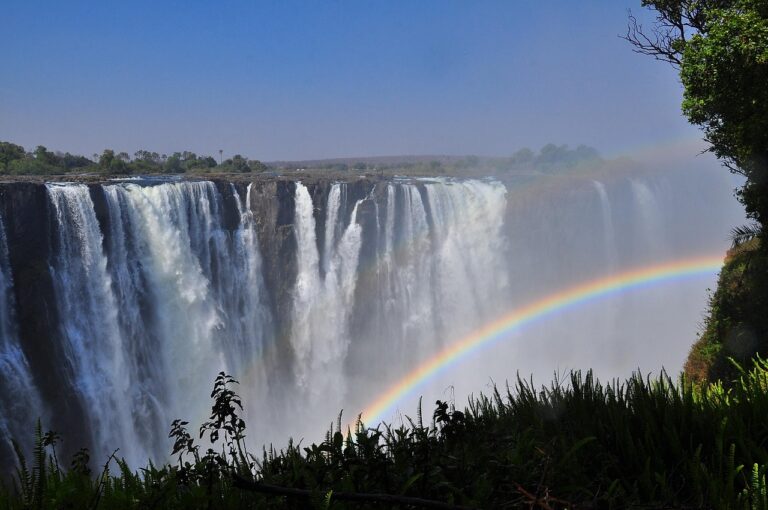
Cities in Zimbabwe
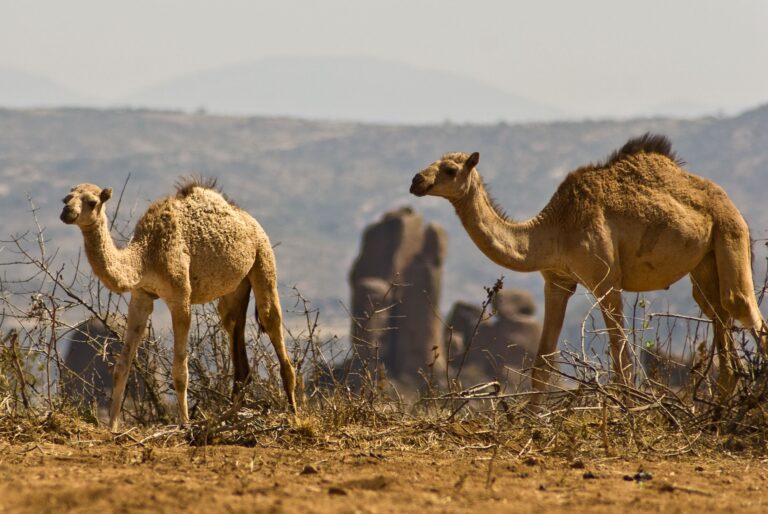
About NomadRoute
NomadRoute helps travelers discover destinations, compare flight options, and find competitive fares from trusted airlines and travel providers worldwide. We do not sell airline tickets directly. Instead, we connect travelers with leading booking partners.
Discover More Destinations
Find low fares from trusted travel providers.
Compare options and book directly with partners.
Explore destinations and routes worldwide.
Photo · Babakathy · Wikimedia Commons · Public domain