
Travel Guide to National Museum of Beirut
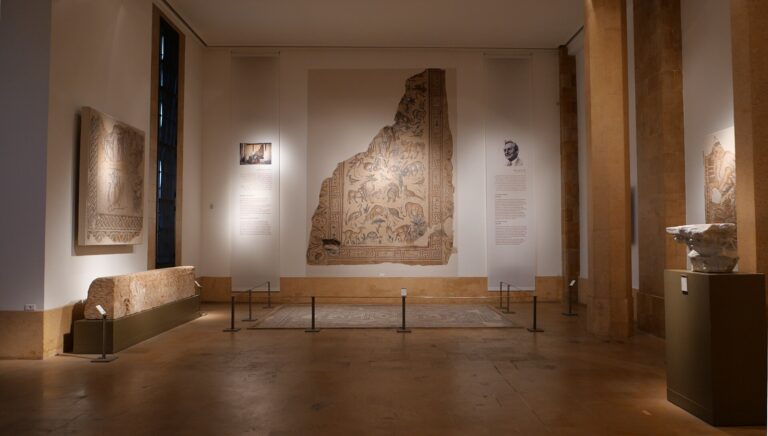
Located in the heart of Beirut, the National Museum of Beirut is a treasure trove of Lebanon's archaeological heritage. Established in 1942, it houses an extensive collection of artifacts that span thousands of years, from prehistoric times to the medieval period. Visitors can explore exhibits featuring stunning mosaics, sculptures, and everyday items that tell the story of Lebanon's diverse cultures and civilizations.
The museum's architecture is equally impressive, blending modern design with elements that reflect its historical significance. As you walk through its halls, you'll encounter artifacts from the Phoenician, Roman, and Byzantine eras, offering a glimpse into the rich tapestry of Lebanon's past. The museum also plays a vital role in preserving and promoting Lebanon's cultural heritage, making it a must-visit for anyone interested in history and archaeology.
Continue reading the travel guide
Travel Guide to National Museum of Beirut
Practical considerations for your visit include the museum's accessibility, with facilities designed to accommodate all visitors. The museum is conveniently located near other attractions in Beirut, making it easy to incorporate into your itinerary. Whether you're a history buff or simply curious about Lebanon's past, the National Museum of Beirut promises an enlightening experience.
Why Visit?
Visiting the National Museum of Beirut offers a unique opportunity to delve into Lebanon's rich history and cultural heritage. The museum's impressive collection of artifacts provides insight into the ancient civilizations that shaped the region, making it an essential stop for anyone exploring Beirut.
Best Time to Visit
The best time to visit the National Museum of Beirut is during the spring and fall when the weather is mild and pleasant. These seasons allow for comfortable exploration of the museum and its surrounding areas. Weekdays are generally less crowded, making for a more enjoyable experience.
Ready to go? Plan your National Museum of Beirut trip → Good to know →
Plan your trip to National Museum of Beirut
Flights, accommodation and ways to get around — plan the details that matter to you.
Find flights to National Museum of Beirut
Nearest recommended airport search point: BEY.
See recent flight offersFrom Beirut €113
Recent flight offers
Compare available fares and routes for National Museum of Beirut.
Flights from National Museum of Beirut Departures · BEY
Cheap Flights from Beirut (BEY)
Compare the latest low fares from Beirut to popular destinations. Prices are updated regularly and may change based on travel dates and availability.
Stay & getting around
Choose a neighbourhood, then decide how you will get from the airport and around the city.
Where to stay Neighbourhoods and accommodation
Where to Stay in National Museum of Beirut
For a convenient stay, consider hotels in central Beirut, such as those in the Hamra or Achrafieh districts. These areas offer a range of accommodations and are within easy reach of the National Museum and other attractions.
Getting around Airport transfers and local transport

Getting Around National Museum of Beirut
The National Museum of Beirut is easily accessible by public transport, with several bus routes and taxis available throughout the city. If you're staying in central Beirut, many attractions, including the museum, can be reached on foot, allowing you to enjoy the vibrant streets of the city.
Travel essentials
 Stay connected
 Flight delayed or cancelled?
Popular Activities in National Museum of Beirut
Good to know about National Museum of Beirut
Map & DirectionsChoose a map
Open National Museum of Beirut in your preferred map app.




Country factsCapital, language and useful details
Quick Facts
Country
Location
Practical Information
Climate
Lebanon has a Mediterranean climate characterized by hot, dry summers and mild, wet winters. Coastal areas enjoy warm temperatures, while the mountainous regions can be cooler, especially during winter months.
Money
The local currency is the Lebanese Pound (LBP - ل.ل). Credit cards are widely accepted in urban areas, but it's advisable to carry some cash for small purchases, local transport, and in rural areas.
Internet & SIM
Mobile coverage is generally good in urban areas, and SIM cards are readily available. Wi-Fi is accessible in many hotels and cafes, making it easy to stay connected during your visit.
Electricity
Voltage: 230 V
Frequency: 50 Hz
Safety
Emergency
112 / 140 / 125
Explore more in Lebanon
Places to Visit in Lebanon
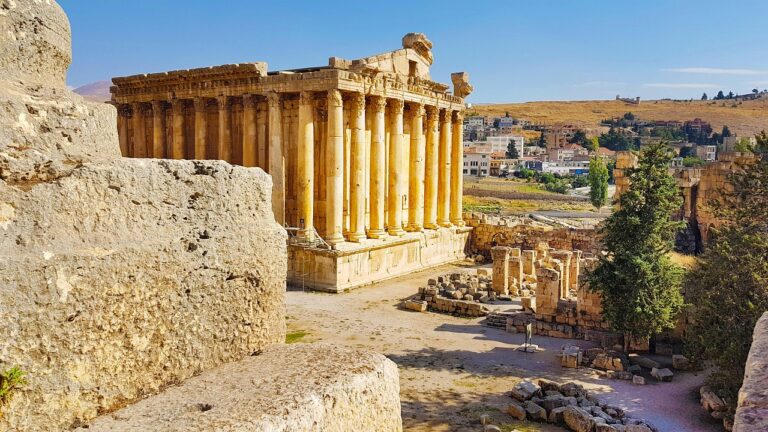
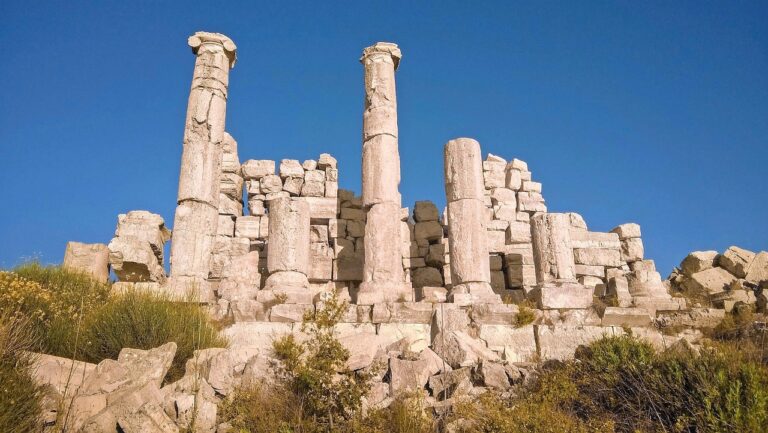
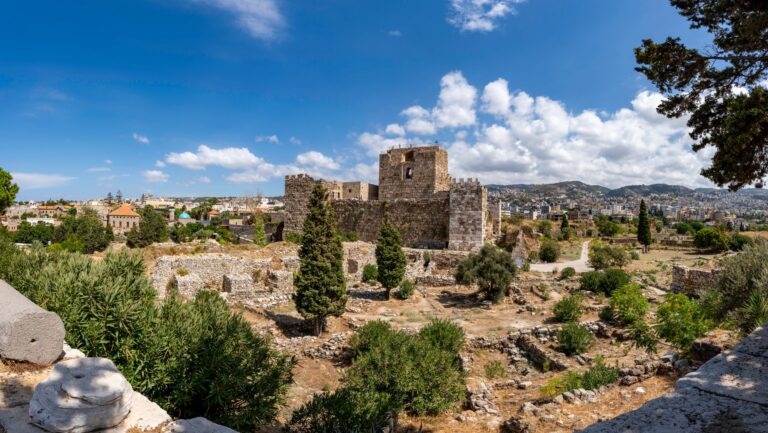
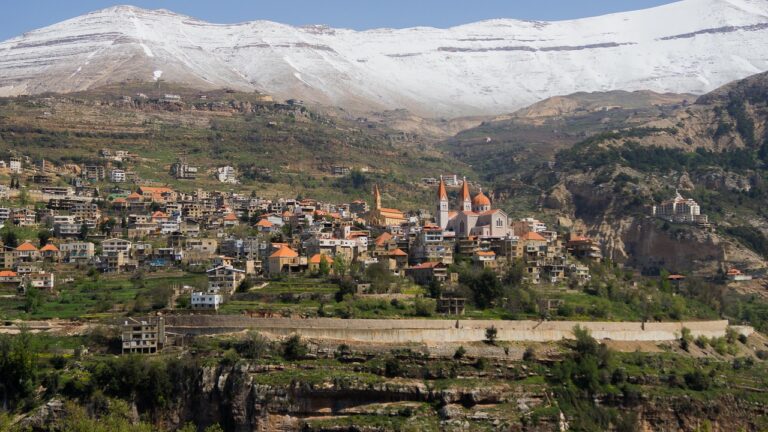
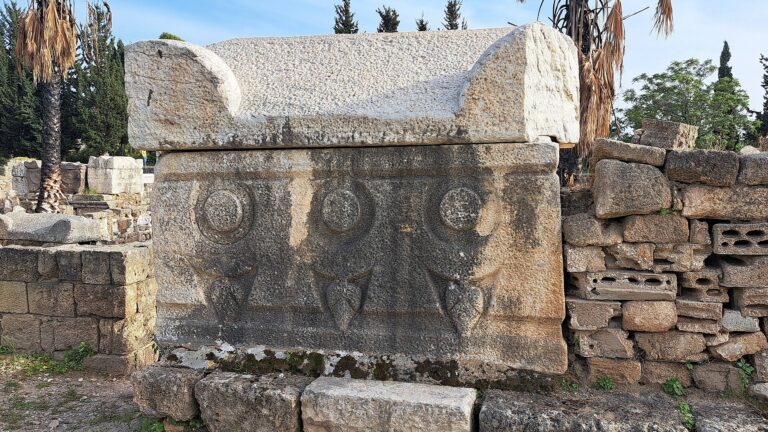
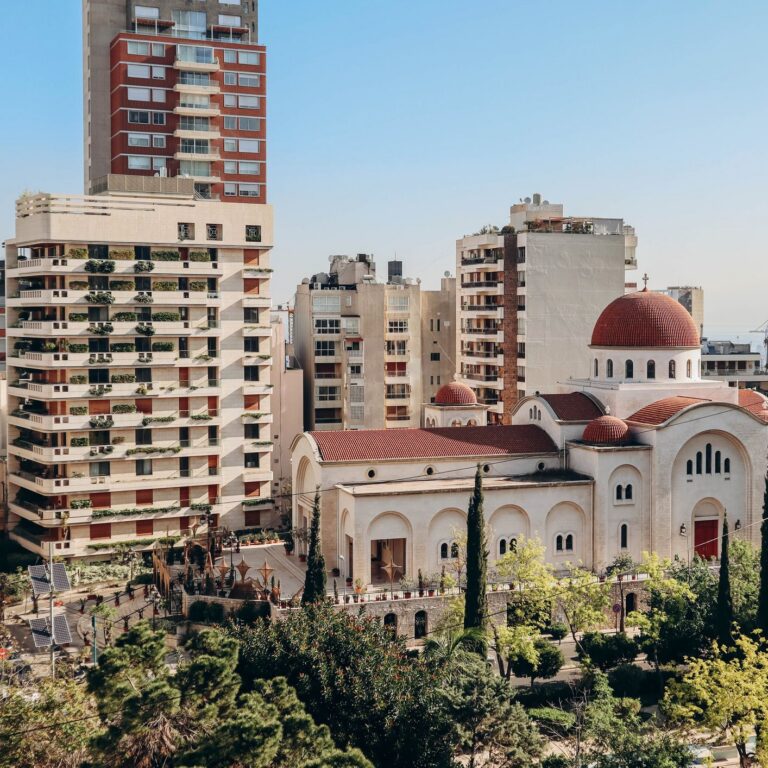
Cities in Lebanon
About NomadRoute
NomadRoute helps travelers discover destinations, compare flight options, and find competitive fares from trusted airlines and travel providers worldwide. We do not sell airline tickets directly. Instead, we connect travelers with leading booking partners.
Discover More Destinations
Find low fares from trusted travel providers.
Compare options and book directly with partners.
Explore destinations and routes worldwide.