
Travel Guide to Martinique
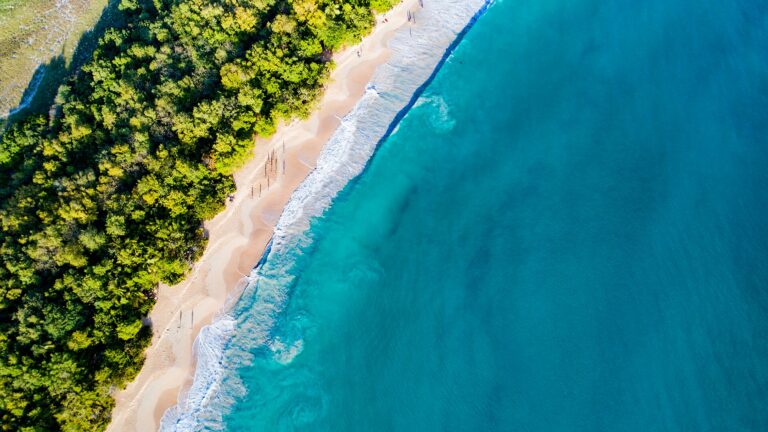
Martinique, a captivating island in the Caribbean, presents a unique fusion of French and Caribbean cultures, making it an enticing destination for travelers. The capital city, Fort-de-France, bustles with life, showcasing colorful markets, historical landmarks, and picturesque waterfront views. Beyond the capital, visitors can immerse themselves in the lush rainforests, relax on pristine beaches, and explore the dramatic volcanic landscapes of Mount Pelée.
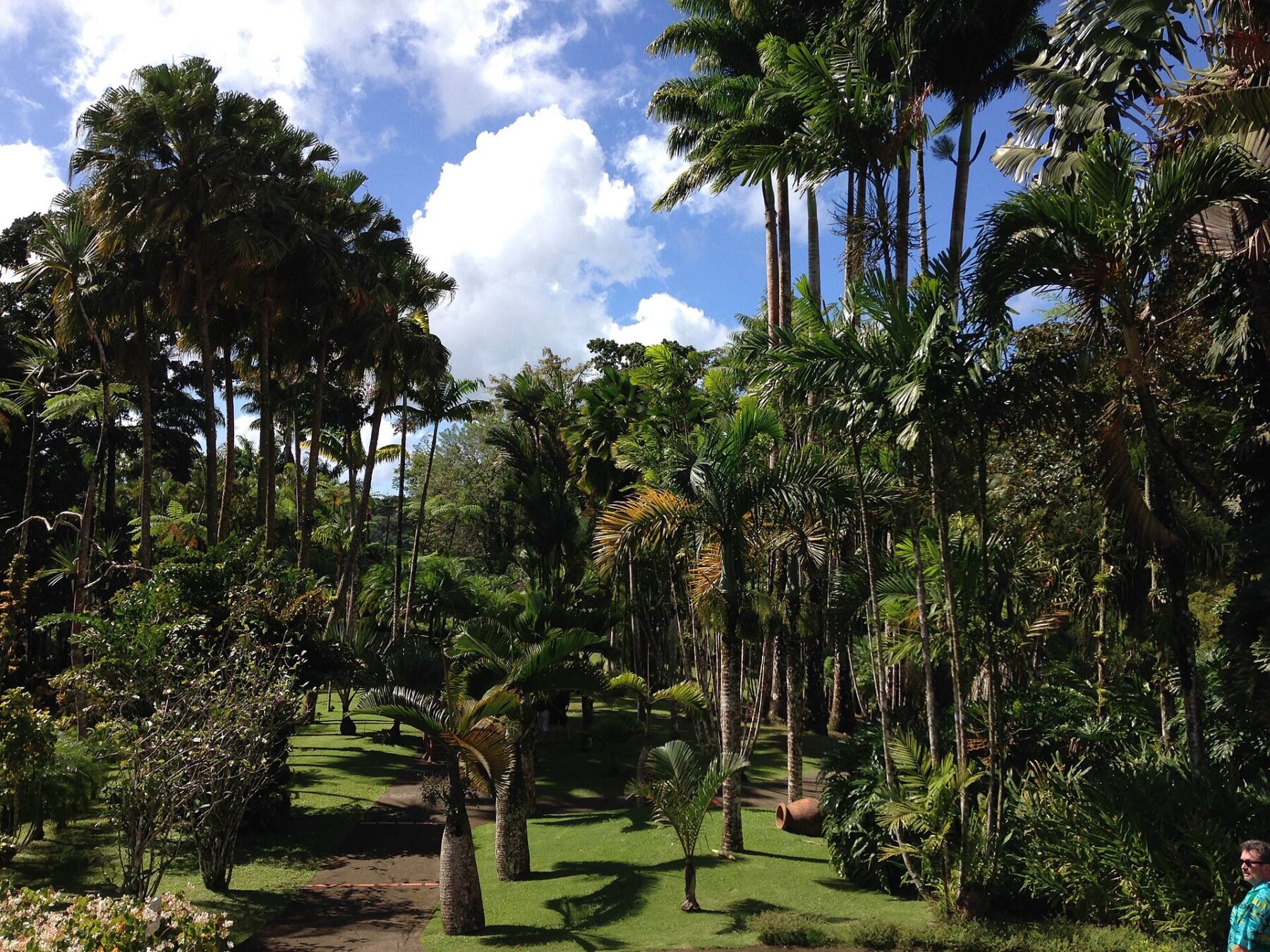
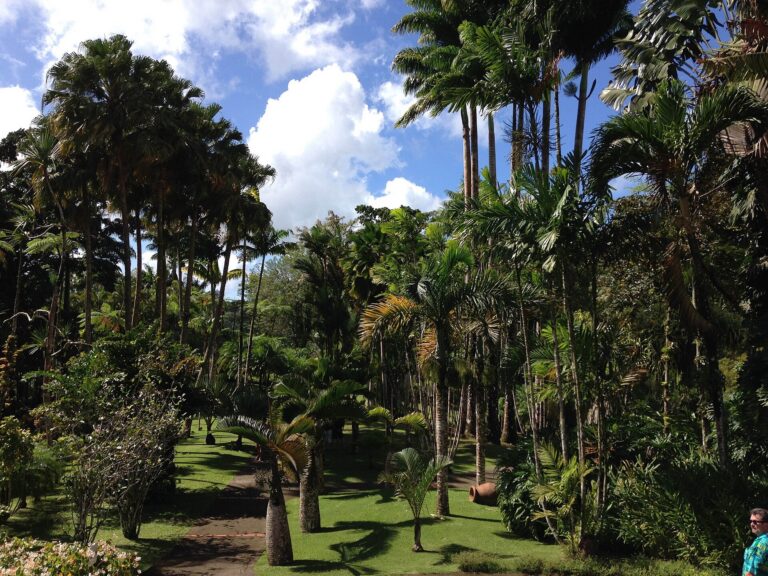
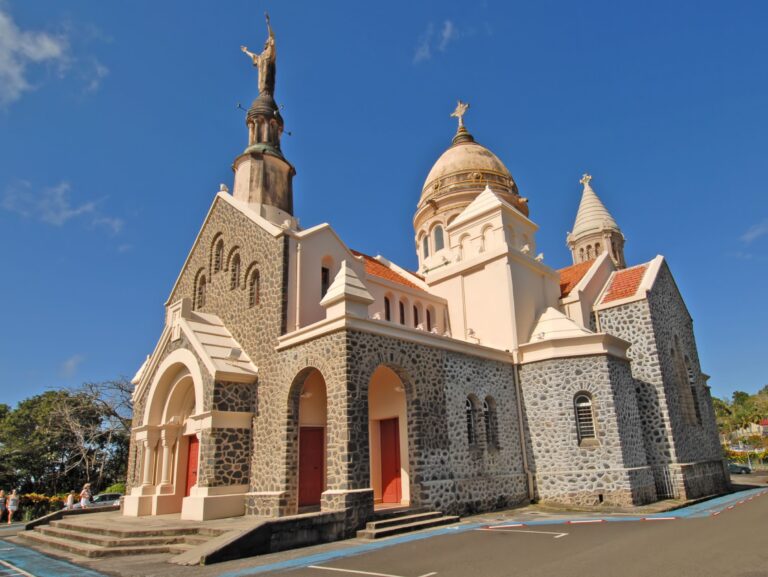
The island boasts a variety of attractions, such as the enchanting Jardin de Balata, a botanical garden teeming with tropical flora, and the historic town of Saint-Pierre, which was once the island's capital before a devastating volcanic eruption in 1902. Martinique's rich heritage is also reflected in its numerous museums and cultural sites, including the Musée de la Pagerie, the birthplace of Empress Joséphine.
Continue reading the travel guide
Travel Guide to Martinique
For outdoor enthusiasts, Martinique offers a wealth of activities, from hiking in the mountainous interior to snorkeling in the crystal-clear Caribbean waters. The island's culinary scene is a highlight, featuring a delightful mix of Creole and French influences that tantalize the taste buds. Whether seeking adventure, relaxation, or cultural immersion, Martinique has something to offer every traveler.
Why Visit?
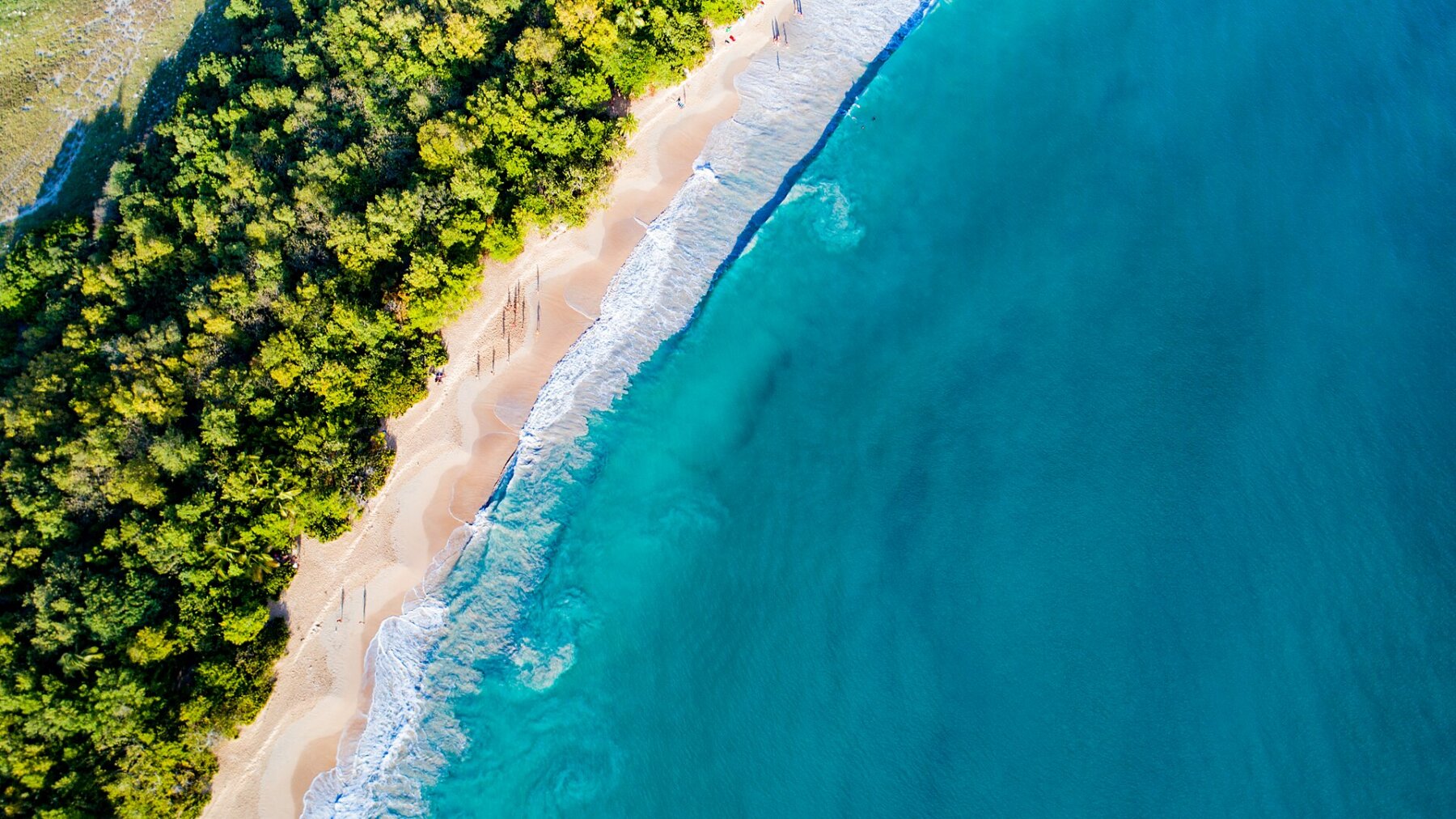
Visit Martinique for its unique cultural blend, breathtaking natural beauty, and rich historical significance. Experience the vibrant markets of Fort-de-France, unwind on the stunning beaches of Les Salines, and explore the lush landscapes of the island's interior. Don't miss the opportunity to indulge in the local cuisine, which reflects the diverse heritage of this tropical paradise. Martinique is an ideal destination for those looking for both adventure and relaxation.
Best Time to Visit
The best time to visit Martinique is during the dry season, which runs from December to April. This period offers pleasant temperatures and lower humidity, making it ideal for outdoor activities and beach relaxation. However, be prepared for higher prices and larger crowds during this peak season. The shoulder months of May and November can also be a great time to visit, as the weather remains favorable, and you may find better deals on accommodations. The wet season, from June to October, brings higher humidity and the possibility of tropical storms, so it's advisable to plan accordingly if you choose to travel during this time.
Martinique highlights
View all
Top Attractions in Martinique
Ready to go? Plan your Martinique trip → Good to know →
Plan your trip to Martinique
Flights, accommodation and ways to get around — plan the details that matter to you.
Stay & getting around
Choose a neighbourhood, then decide how you will get from the airport and around the city.
Where to stay Neighbourhoods and accommodation
Getting around Airport transfers and local transport

Travel essentials
 Stay connected
 Flight delayed or cancelled?
Popular Activities in Martinique
Good to know about Martinique
Map & DirectionsChoose a map
Open Martinique in your preferred map app.



Country factsCapital, language and useful details
Quick Facts
Country
Location
Practical Information
Climate
Martinique has a tropical climate, characterized by a dry season from December to April and a wet season from June to October. Temperatures are generally warm year-round, with coastal areas experiencing mild breezes.
Money
The local currency is EUR - Euro (€). Cards are accepted in many places, but carrying some cash can be useful for small purchases, local transport, and rural areas.
Internet & SIM
Mobile coverage is generally good across the island, with options for purchasing SIM cards available at the airport and local shops. Wi-Fi is also accessible in many hotels and cafes.
Electricity
Voltage: 110 / 120 V
Frequency: 60 Hz
Safety
Emergency
911
Frequently Asked Travel Questions
What is the best time to visit Martinique?
The best time to visit Martinique is from December to April during the dry season, when the weather is pleasant and ideal for outdoor activities.
What currency is used in Martinique?
The local currency in Martinique is the Euro (€). Credit cards are widely accepted, but it's advisable to carry some cash for smaller purchases.
Do I need a visa to visit Martinique?
Visa requirements vary by nationality. Many travelers from Europe and North America do not need a visa for short stays, but it's best to check official requirements before traveling.
What are the main airports in Martinique?
The main airport in Martinique is Martinique Aimé Césaire International Airport (FDF), located near Fort-de-France, which serves both domestic and international flights.
Is Martinique safe for travelers?
Martinique is generally safe for travelers, but it's important to stay aware of your surroundings, secure your belongings, and follow local advice.
Explore more in Martinique
Places to Visit in Martinique
Cities in Martinique
About NomadRoute
NomadRoute helps travelers discover destinations, compare flight options, and find competitive fares from trusted airlines and travel providers worldwide. We do not sell airline tickets directly. Instead, we connect travelers with leading booking partners.
Discover More Destinations
Find low fares from trusted travel providers.
Compare options and book directly with partners.
Explore destinations and routes worldwide.