
Travel Guide to Lofoten Islands
The Lofoten Islands, located in northern Norway, are a stunning archipelago renowned for their dramatic landscapes, vibrant fishing villages, and rich cultural heritage. Visitors are captivated by the towering peaks that rise sharply from the sea, creating a striking contrast against the deep blue waters. The islands are a haven for outdoor enthusiasts, offering a plethora of activities such as hiking, kayaking, and fishing, all set against a backdrop of unparalleled natural beauty.
Historically, the Lofoten Islands have been a significant site for fishing, particularly during the cod fishing season, which has shaped the local culture and economy for centuries. The islands are dotted with traditional rorbuer (fishermen's cabins), allowing visitors to immerse themselves in the local lifestyle. The region is also home to several museums that showcase the history and culture of the islands, providing insight into the lives of the fishermen and the unique environment they inhabit.
Continue reading the travel guide
Travel Guide to Lofoten Islands
When visiting the Lofoten Islands, travelers can expect to experience breathtaking views, especially during the midnight sun in summer or the mesmerizing northern lights in winter. The islands are also known for their rich wildlife, including seabirds, seals, and even whales, making it a perfect destination for nature lovers. With its unique blend of adventure, culture, and stunning scenery, the Lofoten Islands offer an unforgettable experience for all who visit.
Why Visit?
The Lofoten Islands are a must-visit for their breathtaking landscapes, rich cultural heritage, and endless outdoor activities. Whether you're seeking adventure in the great outdoors or a glimpse into traditional Norwegian life, this archipelago has something for everyone.
Best Time to Visit
The best time to visit the Lofoten Islands is during the summer months (June to August) when the weather is mild, and the days are long, allowing for ample exploration. Alternatively, winter (December to February) offers a chance to witness the northern lights and enjoy winter sports.
Ready to go? Plan your Lofoten Islands trip → Good to know →
Plan your trip to Lofoten Islands
Flights, accommodation and ways to get around — plan the details that matter to you.
Find flights to Lofoten Islands
Nearest recommended airport search point: SVJ.
See recent flight offersTo Svolvaer €229
Recent flight offers
Compare available fares and routes for Lofoten Islands.
Flights to Svolvaer Arrivals · SVJ
Cheap Flights to Svolvaer for Lofoten Islands (SVJ)
Compare recent fares to Svolvaer, the suggested airport search point for visiting Lofoten Islands. Choose a listed deal or use the search box above to check prices from your airport.
Stay & getting around
Choose a neighbourhood, then decide how you will get from the airport and around the city.
Where to stay Neighbourhoods and accommodation
Where to Stay in Lofoten Islands
The most practical place to stay while exploring the Lofoten Islands is in the village of Leknes, which offers a range of accommodations and easy access to various attractions across the islands.
Getting around Airport transfers and local transport

Getting Around Lofoten Islands
Travelers can reach the Lofoten Islands via the nearest airport in Leknes (SVJ) or by ferry from the mainland. Once on the islands, renting a car is the most convenient way to explore, as public transport options are limited.
Travel essentials
 Stay connected
 Flight delayed or cancelled?
Popular Activities in Lofoten Islands
Good to know about Lofoten Islands
Map & DirectionsChoose a map
Open Lofoten Islands in your preferred map app.




Country factsCapital, language and useful details
Quick Facts
Country
Location
Practical Information
Climate
Norway has a varied climate, with coastal areas experiencing milder winters and cooler summers, while inland regions can have more extreme temperatures. The northern part of the country exhibits polar climate characteristics, featuring long, cold winters and short, cool summers.
Money
The local currency is the Norwegian Krone (NOK). Credit cards are widely accepted in urban areas, but it's advisable to carry some cash for small purchases, local transport, and in rural regions.
Internet & SIM
Mobile coverage is generally good in urban areas, with several providers offering SIM and eSIM options. Wi-Fi is widely available in hotels, cafes, and public spaces, making it easy to stay connected.
Electricity
Voltage: 230 V
Frequency: 50 Hz
Safety
Emergency
112
Explore more in Norway
Places to Visit in Norway
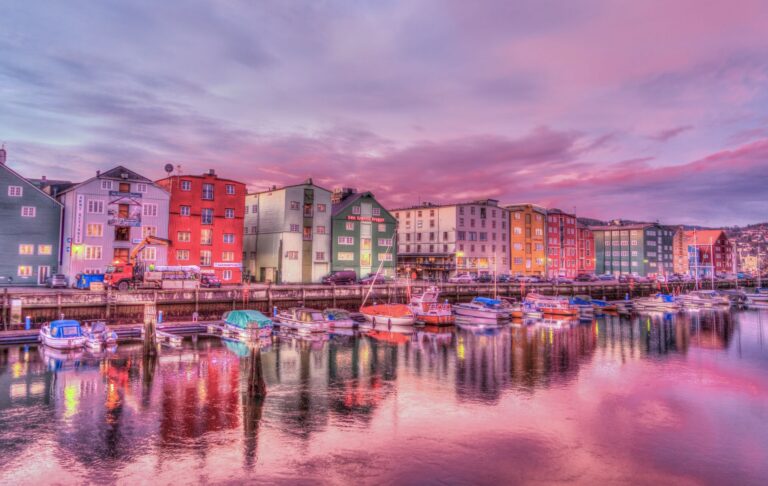
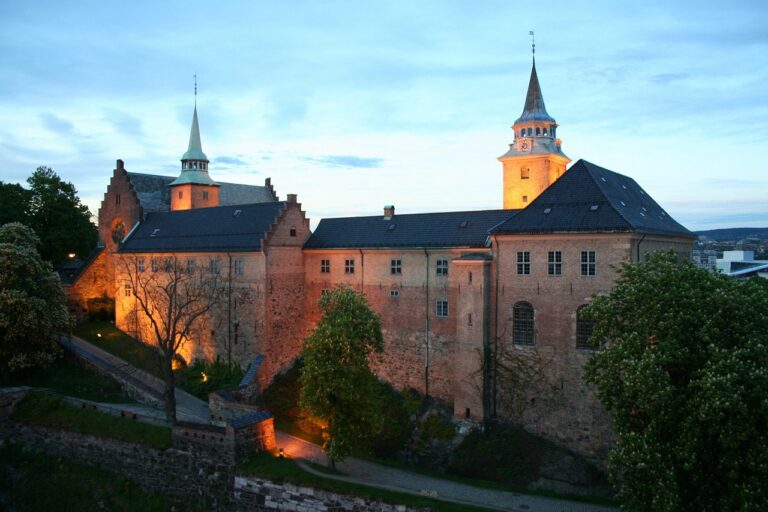
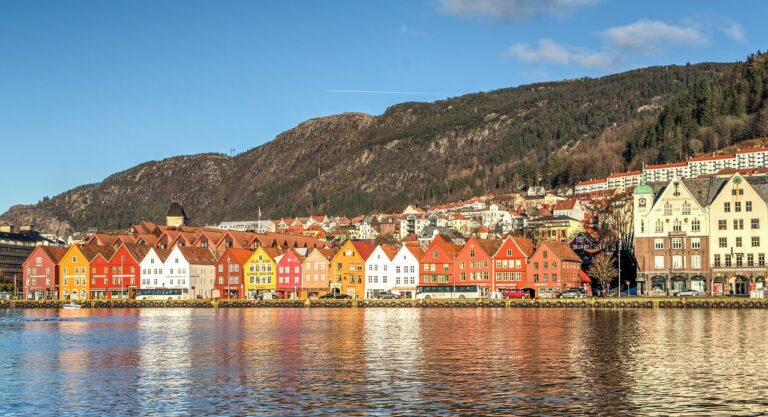
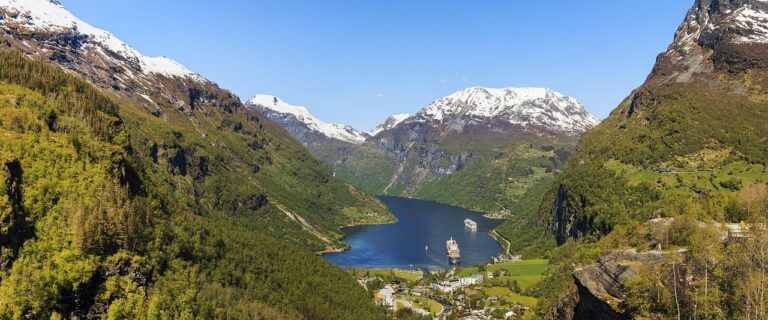

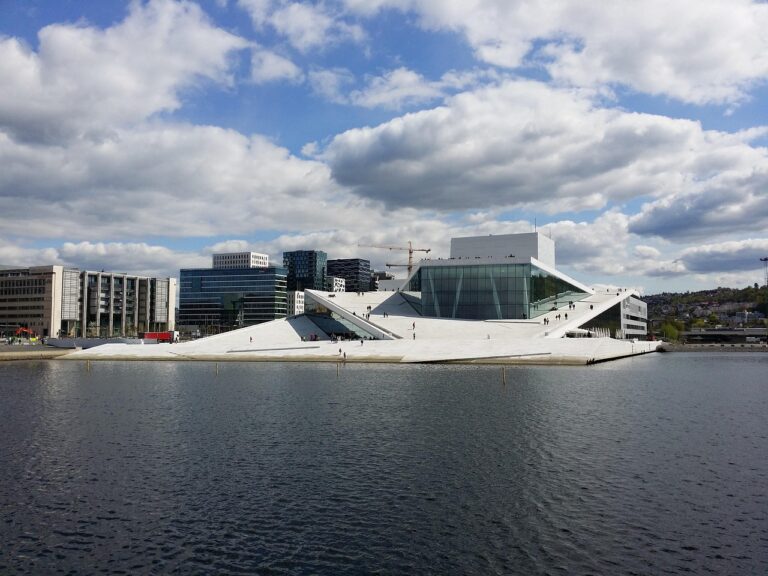
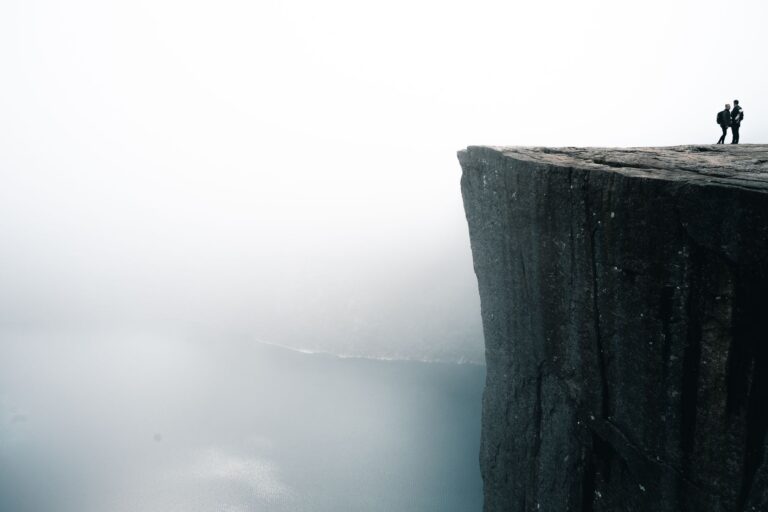
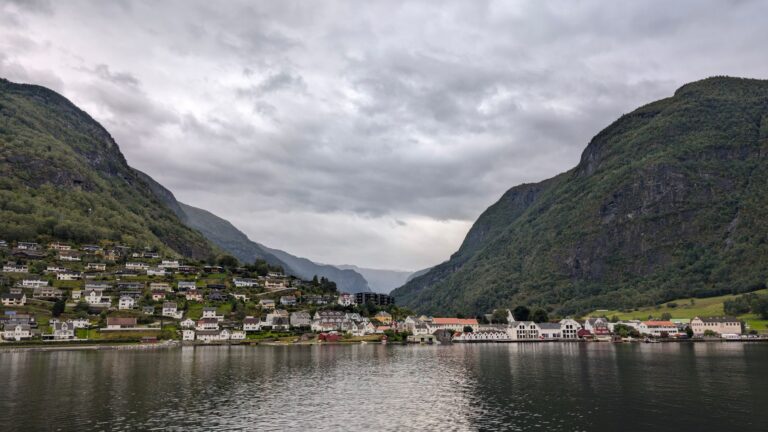
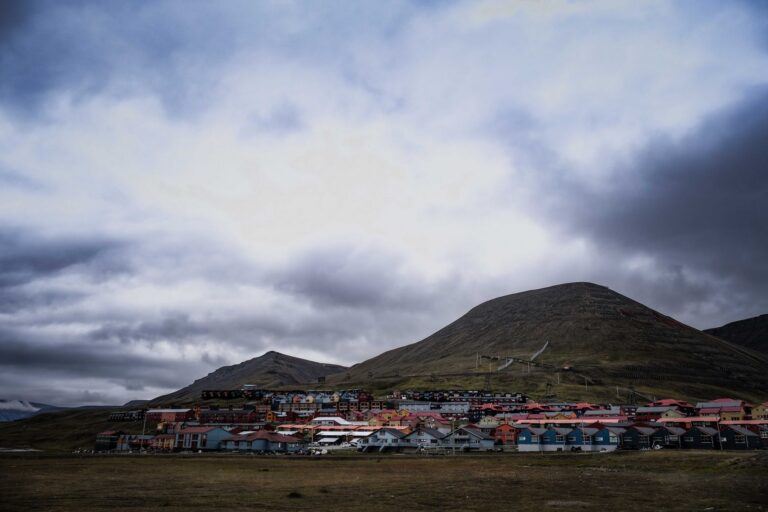
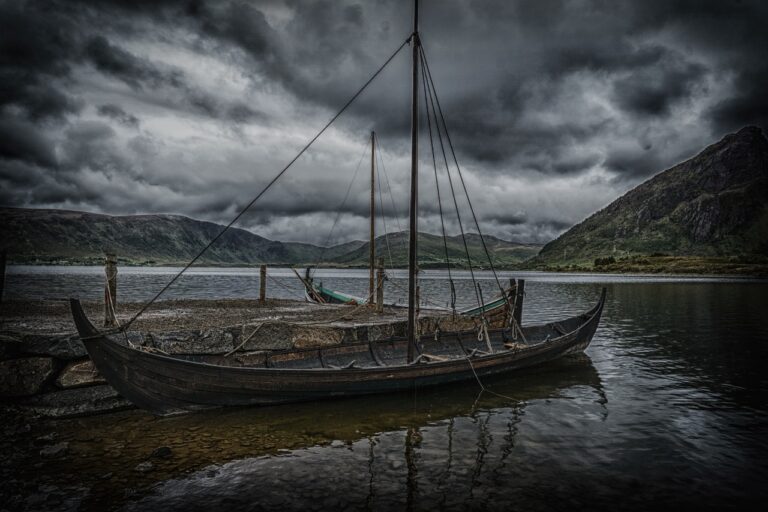
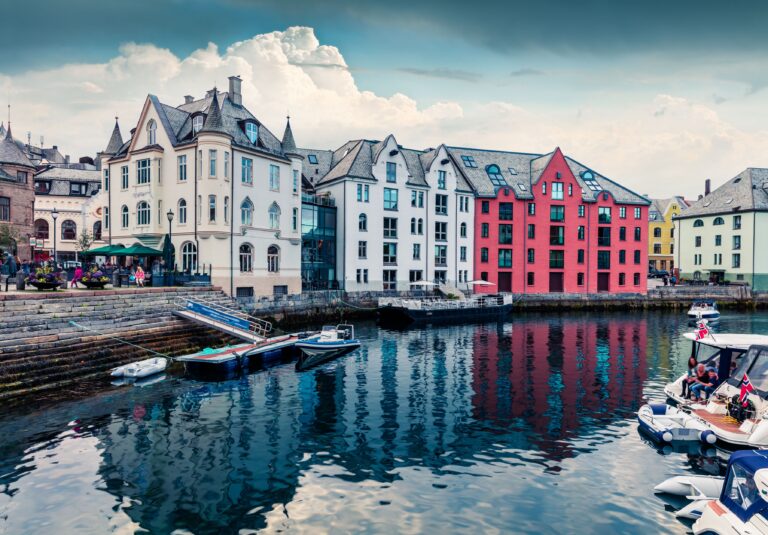
Cities in Norway
About NomadRoute
NomadRoute helps travelers discover destinations, compare flight options, and find competitive fares from trusted airlines and travel providers worldwide. We do not sell airline tickets directly. Instead, we connect travelers with leading booking partners.
Discover More Destinations
Find low fares from trusted travel providers.
Compare options and book directly with partners.
Explore destinations and routes worldwide.