
Travel Guide to Leaning Tower of Pisa
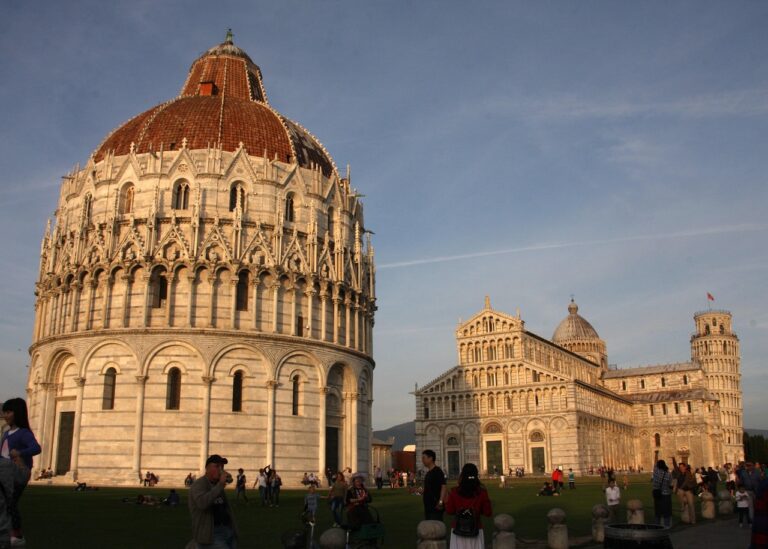
The Leaning Tower of Pisa, an iconic symbol of Italy, is renowned for its remarkable tilt and exquisite Romanesque architecture. Constructed over 199 years, from 1173 to 1372, this freestanding bell tower stands at approximately 56 meters tall and features eight stories, including the chamber for the seven bells. Visitors are often captivated by its intricate white and gray marble façade, adorned with beautiful arches and columns, which showcase the artistry of medieval builders.
As part of the Piazza dei Miracoli, a UNESCO World Heritage Site, the Leaning Tower is surrounded by other magnificent structures, including the Pisa Cathedral and the Baptistery. The tower's tilt, caused by an unstable foundation, adds to its allure and has made it a popular subject for photographs, with tourists often posing as if they are holding it up. Climbing the 294 steps to the top rewards visitors with breathtaking views of the city and the surrounding Tuscan landscape.
Continue reading the travel guide
Travel Guide to Leaning Tower of Pisa
Visiting the Leaning Tower of Pisa is not just about marveling at its unique architecture; it is also an opportunity to immerse oneself in the rich history of the region. The tower has undergone extensive restoration efforts to stabilize its structure, ensuring that it remains a cherished landmark for generations to come. When planning your visit, consider the best times to avoid large crowds, allowing for a more enjoyable experience as you explore this architectural wonder.
Why Visit?
The Leaning Tower of Pisa is a must-visit for its unique architectural tilt, stunning views from the top, and its status as a UNESCO World Heritage Site. It's an iconic symbol of Italy that offers a glimpse into the country's rich history and artistry.
Best Time to Visit
The best time to visit the Leaning Tower of Pisa is during the spring (April to June) and fall (September to October) when the weather is mild and the tourist crowds are smaller. Early mornings or late afternoons are ideal for a more peaceful experience.
Ready to go? Plan your Leaning Tower of Pisa trip → Good to know →
Plan your trip to Leaning Tower of Pisa
Flights, accommodation and ways to get around — plan the details that matter to you.
Find flights to Leaning Tower of Pisa
Nearest recommended airport search point: PSA.
See recent flight offersTo Pisa €35From Pisa €31
Recent flight offers
Compare available fares and routes for Leaning Tower of Pisa.
Flights to Pisa Arrivals · PSA
Cheap Flights to Pisa for Leaning Tower of Pisa (PSA)
Compare recent fares to Pisa, the suggested airport search point for visiting Leaning Tower of Pisa. Choose a listed deal or use the search box above to check prices from your airport.
Flights from Leaning Tower of Pisa Departures · PSA
Cheap Flights from Pisa (PSA)
Compare the latest low fares from Pisa to popular destinations. Prices are updated regularly and may change based on travel dates and availability.
Stay & getting around
Choose a neighbourhood, then decide how you will get from the airport and around the city.
Where to stay Neighbourhoods and accommodation
Where to Stay in Leaning Tower of Pisa
The most practical place to stay when visiting the Leaning Tower of Pisa is in the city of Pisa itself, where a range of accommodations from budget hostels to luxury hotels are available. Staying in Pisa allows easy access to the tower and other nearby attractions.
Getting around Airport transfers and local transport

Getting Around Leaning Tower of Pisa
Pisa is well-connected by public transport, with the nearest airport being Pisa International Airport (PSA), just a short drive from the city center. Once in Pisa, the Leaning Tower is easily reachable on foot, as it is located within walking distance from the main train station and other key attractions.
Travel essentials
 Stay connected
 Flight delayed or cancelled?
Popular Activities in Leaning Tower of Pisa
Good to know about Leaning Tower of Pisa
Map & DirectionsChoose a map
Open Leaning Tower of Pisa in your preferred map app.




Country factsCapital, language and useful details
Quick Facts
Country
Location
Practical Information
Climate
Italy has a diverse climate, with a Mediterranean climate in coastal areas, continental climate in the north, and alpine conditions in mountainous regions. Summers are generally hot and dry, while winters can be mild or cold depending on the region.
Money
The local currency is EUR - Euro (€). Cards are widely accepted in urban areas and tourist spots, but it's advisable to carry some cash for small purchases, local transport, and in rural areas where card acceptance may be limited.
Internet & SIM
Italy has good mobile coverage across the country, with various options for purchasing SIM cards or eSIMs available at airports and retail stores. Wi-Fi is commonly available in hotels, cafes, and public spaces, making it easy to stay connected.
Electricity
Voltage: 230 V
Frequency: 50 Hz
Safety
Emergency
112
Explore more in Italy
Places to Visit in Italy

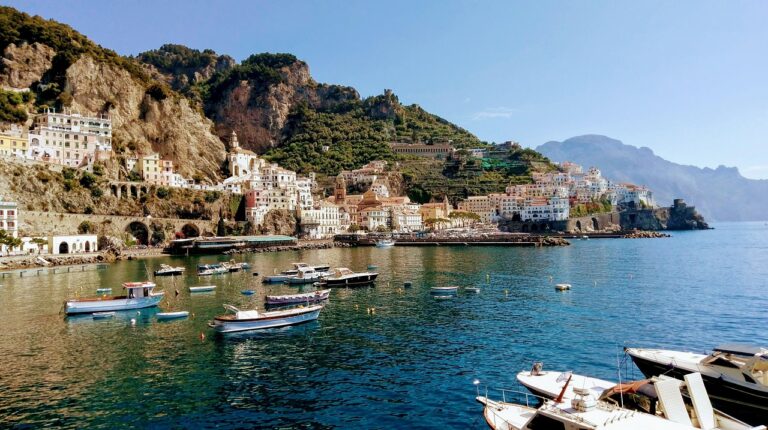

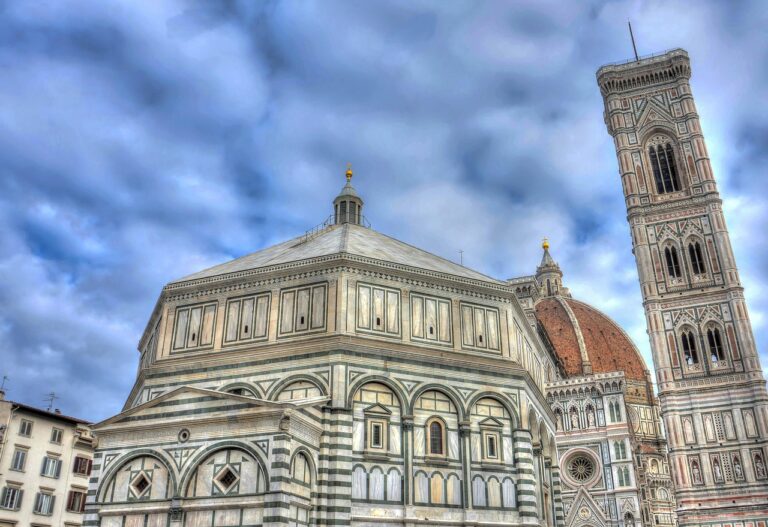


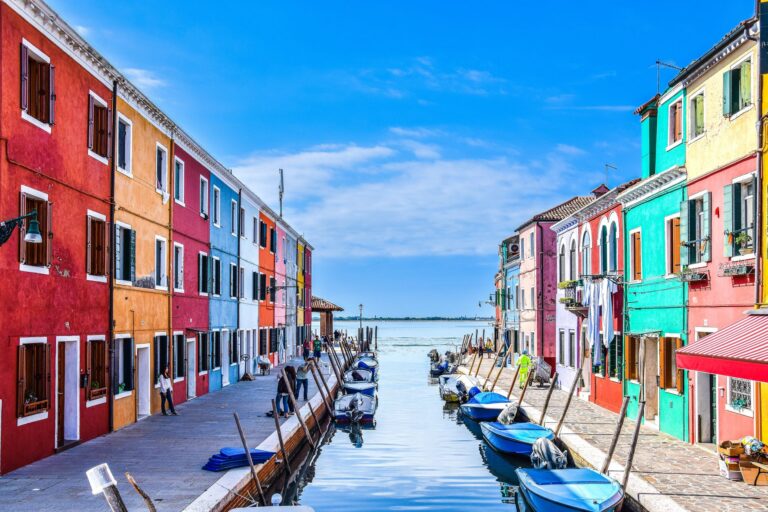
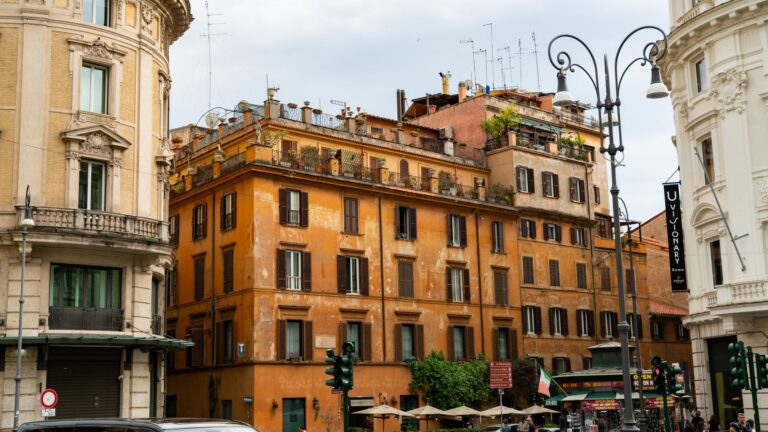

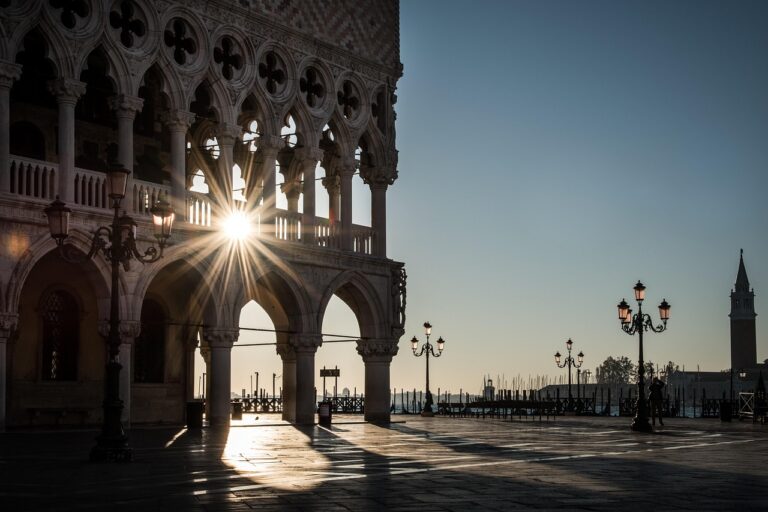
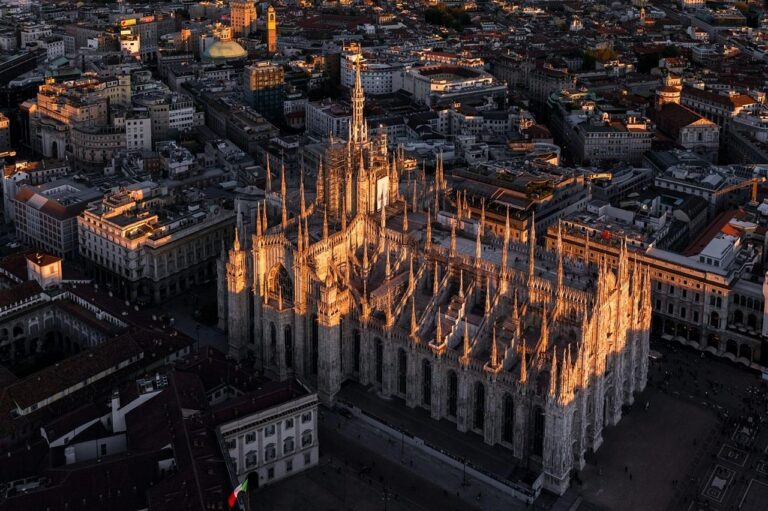


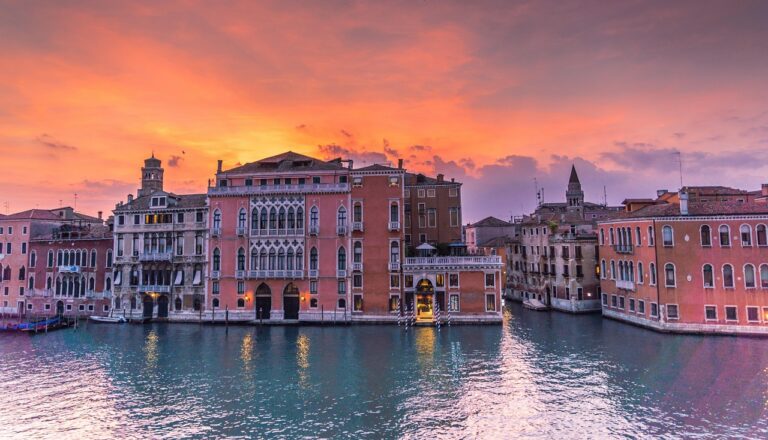
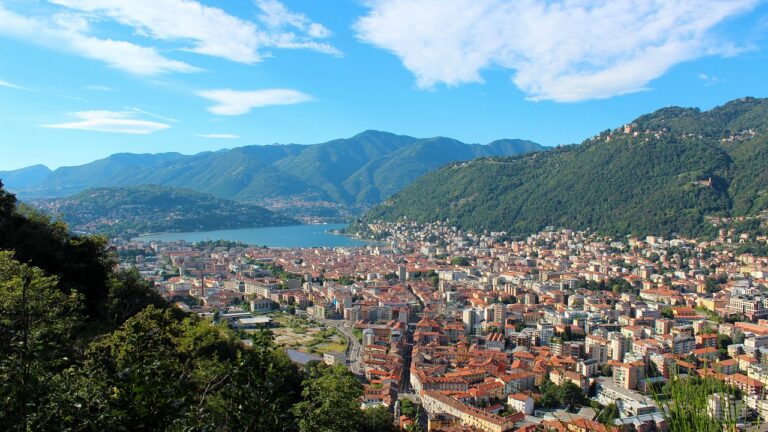




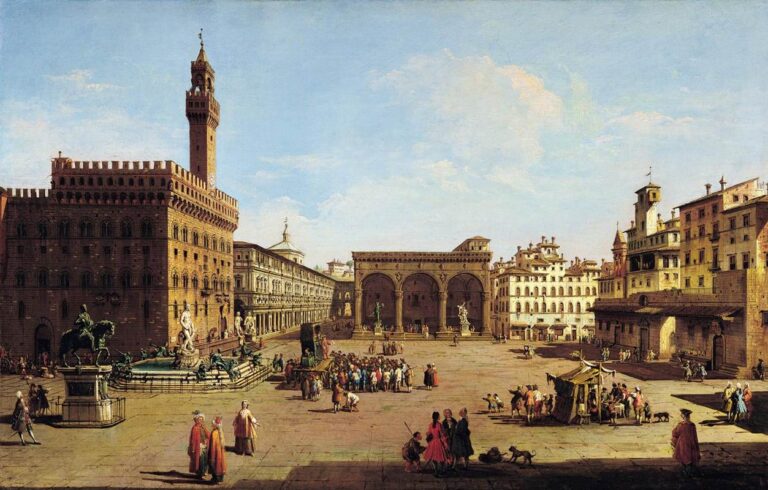
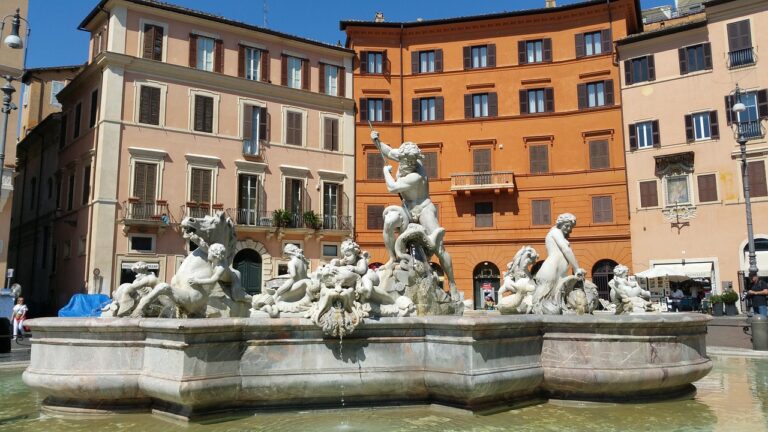
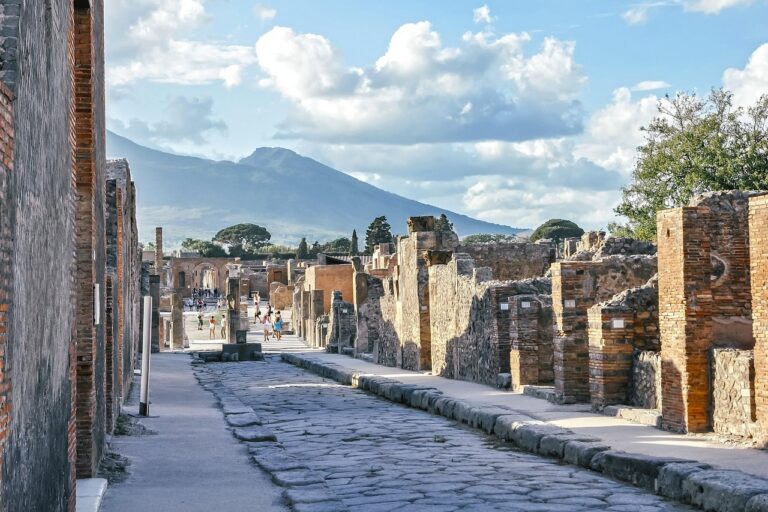
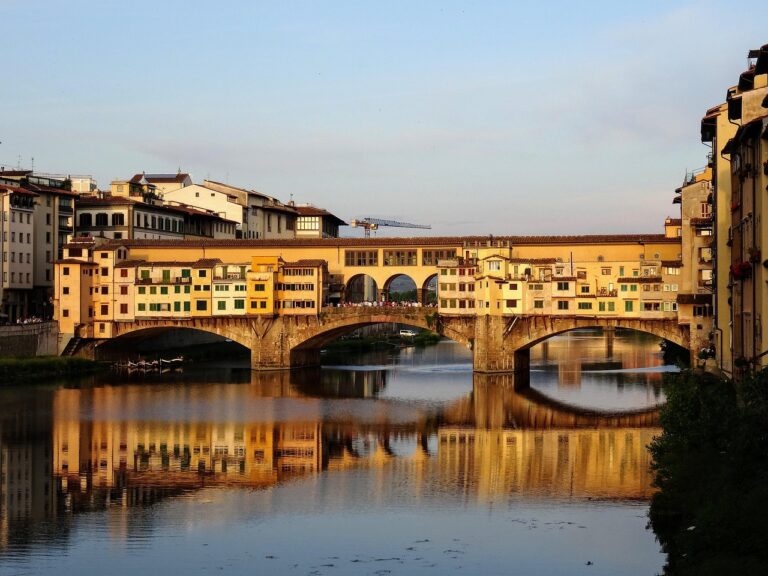


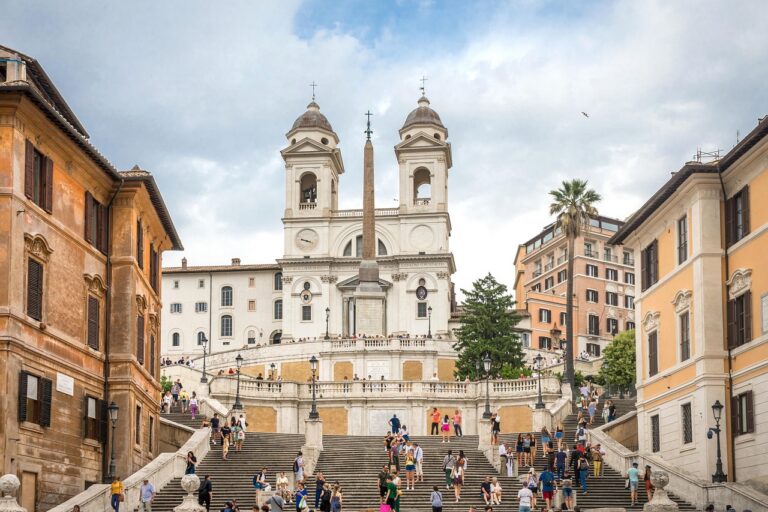
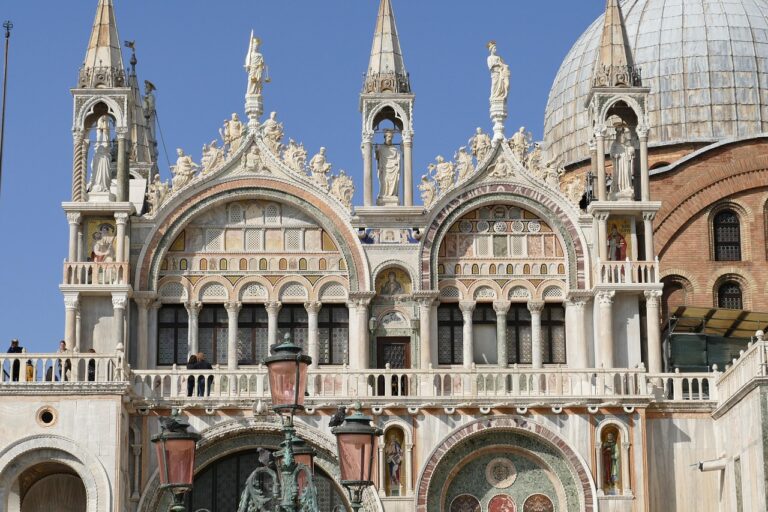



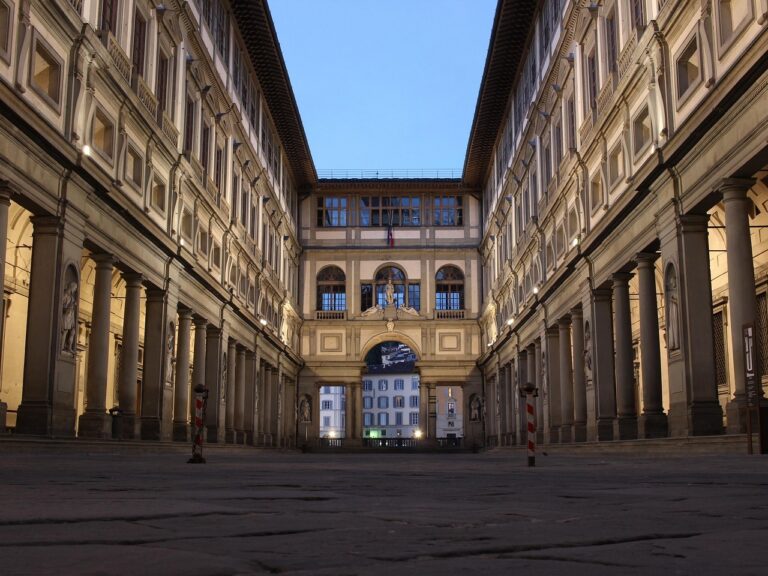
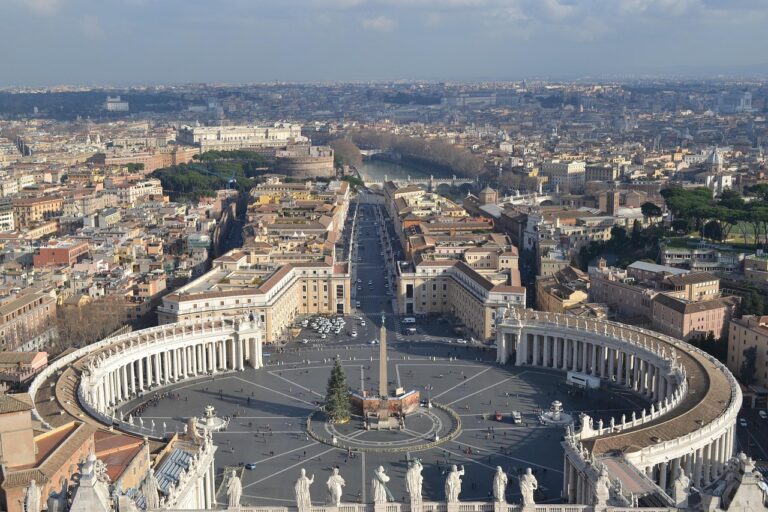

Cities in Italy




About NomadRoute
NomadRoute helps travelers discover destinations, compare flight options, and find competitive fares from trusted airlines and travel providers worldwide. We do not sell airline tickets directly. Instead, we connect travelers with leading booking partners.
Find low fares from trusted travel providers.
Compare options and book directly with partners.
Explore destinations and routes worldwide.