
Travel Guide to Djenné
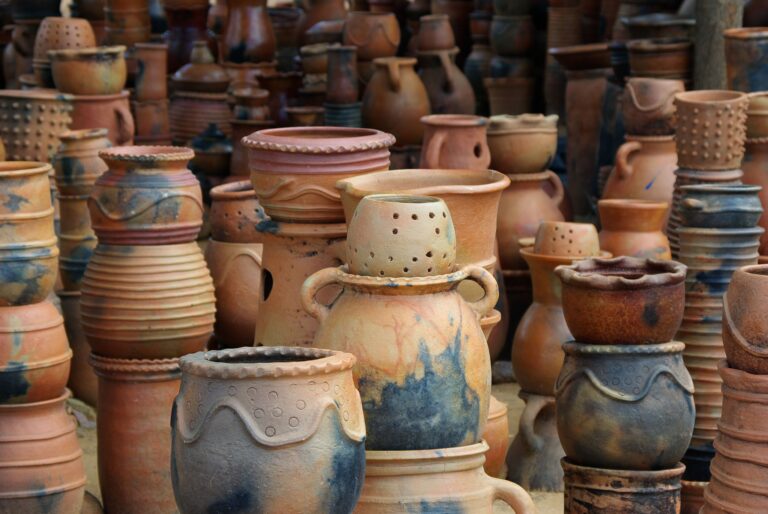
Djenné is a captivating city located in the heart of Mali, celebrated for its remarkable mud-brick architecture, particularly the iconic Great Mosque of Djenné, which is the largest mud structure in the world. The city is a vibrant hub of culture and history, with its bustling markets offering a glimpse into local life and traditional crafts. Visitors can explore the narrow, winding streets of the old town, where artisans showcase their skills in pottery and weaving, reflecting the rich cultural tapestry of the region.
The annual Festival of the Desert, held in Djenné, draws visitors from around the globe to experience traditional music, dance, and art, further enhancing the city's cultural allure. Djenné is also an excellent base for exploring the nearby Bandiagara Escarpment, a UNESCO World Heritage site known for its stunning landscapes and the fascinating Dogon culture. With its unique blend of history, architecture, and local traditions, Djenné offers an unforgettable experience for travelers seeking to immerse themselves in the heart of Mali.
Continue reading the travel guide
Travel Guide to Djenné
Why Visit?
Djenné is a unique destination that offers a rare glimpse into the rich history and culture of Mali. The city's stunning mud-brick architecture, particularly the Great Mosque, is a UNESCO World Heritage site that showcases traditional building techniques. Additionally, the vibrant local markets and cultural festivals provide an authentic experience of West African life, making Djenné a must-visit for those interested in history, architecture, and local traditions.
Best Time to Visit
The best time to visit Djenné is during the dry season, from November to February, when temperatures are milder and the weather is more pleasant for exploring the city and its surroundings. This period also coincides with various cultural festivals, including the Festival of the Desert, which showcases the region's rich traditions. Travelers may want to avoid the rainy season from June to September, as heavy rains can disrupt travel plans and make some areas less accessible. Overall, visiting during the cooler months allows for a more enjoyable experience while immersing in the local culture and attractions.
View all
Top Attractions in Djenné
- Great Mosque of Djenné
- Djenné Market
- Djenné Old Town
- Bandiagara Escarpment
- Festival of the Desert
- Maison de la Culture
- Tomb of Askia
Ready to go? Plan your Djenné trip → Good to know →
Plan your trip to Djenné
Flights, accommodation and ways to get around — plan the details that matter to you.
Stay & getting around
Choose a neighbourhood, then decide how you will get from the airport and around the city.
Where to stay Neighbourhoods and accommodation
Where to Stay in Djenné
Djenné offers a range of accommodation options, from budget guesthouses to more upscale lodges. Many visitors choose to stay in traditional mud-brick hotels that reflect the local architecture, providing a unique experience. It's advisable to book accommodations in advance, especially during peak tourist seasons or when major festivals are taking place.
Getting around Airport transfers and local transport

Getting Around Djenné
Getting around Djenné is relatively easy, with most attractions within walking distance in the compact city center. For longer distances or trips to nearby sites like the Bandiagara Escarpment, hiring a local guide or taxi is recommended. Bicycles are also available for rent, providing a fun way to explore the area at your own pace.
Travel essentials
 Stay connected
 Flight delayed or cancelled?
Popular Activities in Djenné
Good to know about Djenné
Country factsCapital, language and useful details
Quick Facts
Country
Location
Practical Information
Climate
Mali has varied travel conditions depending on the region and season. The northern regions experience a hot desert climate, while the southern areas have a tropical climate with a rainy season. The dry season from November to February is the most comfortable for travel.
Money
The local currency is XOF - CFA Franc BCEAO. Cards are accepted in many places, but carrying some cash can be useful for small purchases, local transport, and rural areas.
Internet & SIM
Mobile coverage is generally good in urban areas, and SIM cards are available for purchase. Wi-Fi is accessible in major hotels and cafes, but may be limited in rural regions.
Electricity
Voltage: 220 / 230 V
Frequency: 50 Hz
Safety
Emergency
112 / 999
Frequently Asked Travel Questions
What is the best time to visit Djenné?
The best time to visit Djenné is from November to February when the weather is cooler and more pleasant for exploring.
How do I get to Djenné?
Djenné can be reached by road from nearby cities like Mopti, with options for taxis or shared minibuses available.
What are the top attractions in Djenné?
Top attractions include the Great Mosque of Djenné, Djenné Market, and the nearby Bandiagara Escarpment.
How long should I stay in Djenné?
A stay of 2 to 4 days is ideal to explore the city and its surroundings thoroughly.
Is Djenné safe for tourists?
While Djenné is generally safe for tourists, it's advisable to stay informed about local conditions and follow travel advisories.
Explore more in Mali
Places to Visit in Mali
Cities in Mali
About NomadRoute
NomadRoute helps travelers discover destinations, compare flight options, and find competitive fares from trusted airlines and travel providers worldwide. We do not sell airline tickets directly. Instead, we connect travelers with leading booking partners.
Discover More Destinations
Find low fares from trusted travel providers.
Compare options and book directly with partners.
Explore destinations and routes worldwide.