
Travel Guide to Coiba National Park
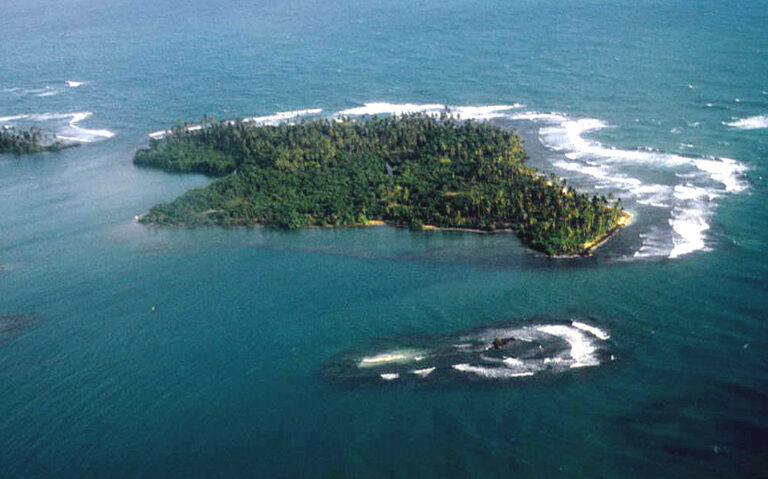
Coiba National Park, located off the Pacific coast of Panama, is a UNESCO World Heritage Site renowned for its breathtaking natural beauty and diverse ecosystems. The park encompasses the largest island in Central America, Coiba Island, along with numerous smaller islands and surrounding waters. Visitors can expect to encounter an array of wildlife, including sea turtles, dolphins, and various fish species, making it a prime spot for snorkeling and diving. The park's lush tropical forests and pristine beaches provide a serene backdrop for hiking and relaxation, offering a unique blend of adventure and tranquility.
The historical significance of Coiba National Park is also noteworthy; it was once a penal colony, and remnants of this past can still be found on the island. Today, the park serves as a vital conservation area, protecting endangered species and promoting ecological research. Travelers can immerse themselves in the untouched beauty of the park while learning about its rich history and ongoing conservation efforts.
Continue reading the travel guide
Travel Guide to Coiba National Park
Planning a visit to Coiba National Park requires some preparation, as access is primarily by boat from the mainland. The park is best explored with guided tours that offer insights into its natural and historical significance. Visitors should also be mindful of the park's regulations to preserve its delicate ecosystems.
Why Visit?
Coiba National Park is a must-visit for its unparalleled biodiversity, stunning landscapes, and opportunities for adventure. Whether you're snorkeling in crystal-clear waters or hiking through lush forests, the park offers a unique experience that connects you with nature in a way few places can.
Best Time to Visit
The best time to visit Coiba National Park is during the dry season, which runs from December to April. This period offers optimal weather conditions for outdoor activities, including snorkeling and hiking, with less rainfall and clearer skies.
Ready to go? Plan your Coiba National Park trip → Good to know →
Plan your trip to Coiba National Park
Flights, accommodation and ways to get around — plan the details that matter to you.
Find flights to Coiba National Park
Nearest recommended airport search point: PTY.
See recent flight offersTo Panama City €221From Panama City €174
Recent flight offers
Compare available fares and routes for Coiba National Park.
Flights to Panama City Arrivals · PTY
Cheap Flights to Panama City for Coiba National Park (PTY)
Compare recent fares to Panama City, the suggested airport search point for visiting Coiba National Park. Choose a listed deal or use the search box above to check prices from your airport.
Flights from Coiba National Park Departures · PTY
Cheap Flights from Panama City (PTY)
Compare the latest low fares from Panama City to popular destinations. Prices are updated regularly and may change based on travel dates and availability.
Stay & getting around
Choose a neighbourhood, then decide how you will get from the airport and around the city.
Where to stay Neighbourhoods and accommodation
Where to Stay in Coiba National Park
While there are limited accommodation options on Coiba Island itself, visitors can stay in nearby towns such as Santa Catalina or the city of Santiago. These locations provide access to boat tours that can take you into the national park.
Getting around Airport transfers and local transport

Getting Around Coiba National Park
To reach Coiba National Park, travelers typically fly into Tocumen International Airport (PTY) in Panama City and then take a domestic flight or drive to Santa Catalina. From there, boat tours are available to transport visitors to the park. Once in the park, guided tours are the best way to explore its many attractions.
Travel essentials
 Stay connected
 Flight delayed or cancelled?
Popular Activities in Coiba National Park
Good to know about Coiba National Park
Country factsCapital, language and useful details
Quick Facts
Country
Location
Practical Information
Climate
Panama has a tropical climate characterized by warm temperatures year-round and distinct wet and dry seasons. The Caribbean side tends to be wetter, while the Pacific coast experiences a more pronounced dry season, making it ideal for beach activities.
Money
The local currency is the Balboa (PAB), but the US Dollar (USD) is also widely accepted. Credit and debit cards are commonly used in urban areas, but it's advisable to carry cash for small purchases, local transport, and in rural areas.
Internet & SIM
Mobile coverage is generally good in urban areas, with various providers offering SIM and eSIM options. Wi-Fi is available in many hotels, cafes, and public spaces, making it easy to stay connected during your visit.
Electricity
Voltage: 120 V
Frequency: 60 Hz
Safety
Emergency
911
Explore more in Panama
Places to Visit in Panama
Cities in Panama
About NomadRoute
NomadRoute helps travelers discover destinations, compare flight options, and find competitive fares from trusted airlines and travel providers worldwide. We do not sell airline tickets directly. Instead, we connect travelers with leading booking partners.
Discover More Destinations
Find low fares from trusted travel providers.
Compare options and book directly with partners.
Explore destinations and routes worldwide.
Photo · Alex Proimos from Sydney, Australia · Wikimedia Commons · CC BY 2.0