
Travel Guide to Chiloe Island
Chiloe Island, located off the coast of southern Chile, is a place where folklore and natural beauty intertwine. The island is famous for its picturesque landscapes, including rolling hills, lush forests, and dramatic coastlines. Visitors can explore charming fishing villages, each with its own distinct character, and experience the vibrant local culture that is deeply rooted in traditions and legends.
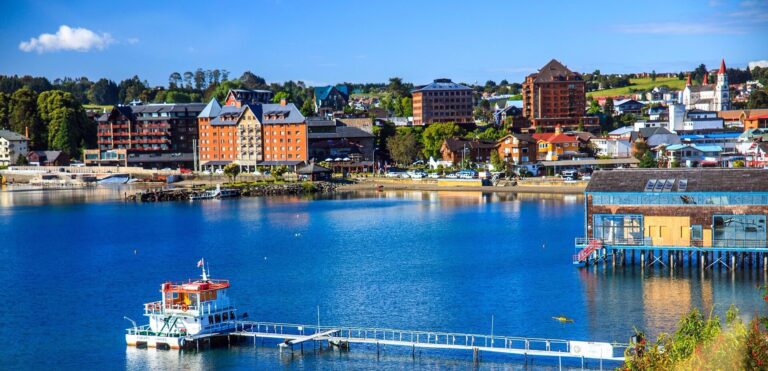
One of the island's most notable features is its collection of wooden churches, many of which are UNESCO World Heritage Sites. These churches, built by Jesuit missionaries in the 18th and 19th centuries, showcase unique architectural styles and are a testament to the island's rich history. The vibrant colors of the houses, known as 'palafitos,' which are built on stilts along the waterfront, add to the island's charm.
Continue reading the travel guide
Travel Guide to Chiloe Island
Chiloe Island is also a haven for outdoor enthusiasts. From hiking in the national parks to kayaking in the pristine waters, there are plenty of activities to immerse oneself in nature. The island's diverse wildlife, including sea lions and various bird species, makes it a great destination for wildlife watching. Visitors can also indulge in the local cuisine, which features fresh seafood and traditional dishes that reflect the island's cultural heritage.
When planning a visit, it's essential to consider the accessibility of the island. The nearest airport is in Mocopulli (MHC), with connections to mainland Chile. The island is also connected by ferry services, making it relatively easy to reach. Overall, Chiloe Island offers a unique blend of culture, history, and natural beauty, making it a must-visit destination in Chile.
Why Visit?
Chiloe Island is a must-visit for those seeking a unique cultural experience, stunning natural landscapes, and a taste of traditional Chilean life. Its rich history, vibrant local traditions, and breathtaking scenery create an unforgettable travel experience.
Best Time to Visit
The best time to visit Chiloe Island is during the summer months from December to February when the weather is milder and ideal for outdoor activities. However, spring and autumn also offer beautiful scenery and fewer crowds.
Ready to go? Plan your Chiloe Island trip → Good to know →
Plan your trip to Chiloe Island
Flights, accommodation and ways to get around — plan the details that matter to you.
Find flights to Chiloe Island
Nearest recommended airport search point: MHC.
See recent flight offers
Recent flight offers
Compare available fares and routes for Chiloe Island.
Stay & getting around
Choose a neighbourhood, then decide how you will get from the airport and around the city.
Where to stay Neighbourhoods and accommodation
Where to Stay in Chiloe Island
The town of Castro serves as the main hub for visitors to Chiloe Island, offering a range of accommodations from hotels to guesthouses. Staying in Castro provides easy access to various attractions and local dining options.
Getting around Airport transfers and local transport

Getting Around Chiloe Island
Travelers can reach Chiloe Island by flying into Mocopulli Airport (MHC) or taking a ferry from the mainland. Once on the island, renting a car is a convenient option for exploring, though public transport and local taxis are also available for getting around.
Travel essentials
 Stay connected
 Flight delayed or cancelled?
Popular Activities in Chiloe Island
Good to know about Chiloe Island
Map & DirectionsChoose a map
Open Chiloe Island in your preferred map app.




Country factsCapital, language and useful details
Quick Facts
Country
Location
Practical Information
Climate
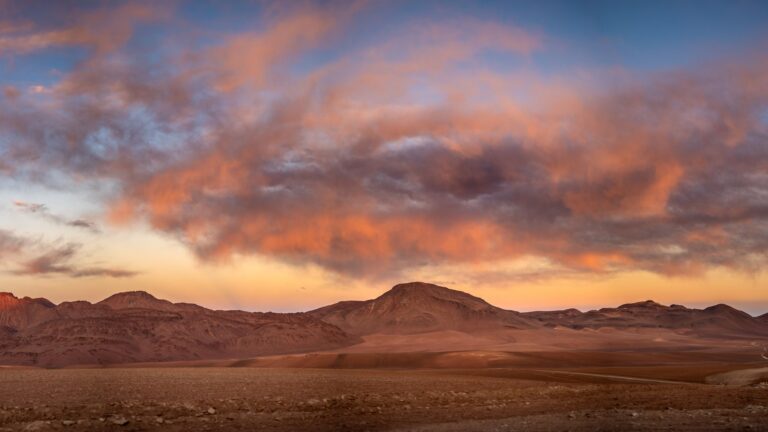
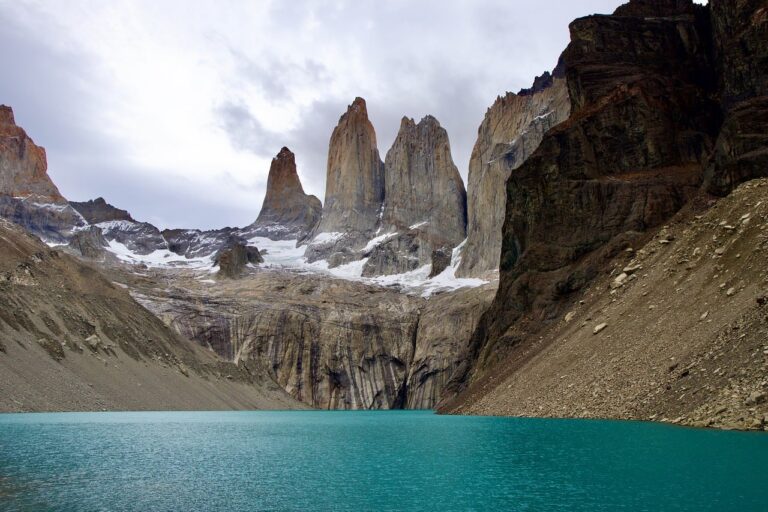
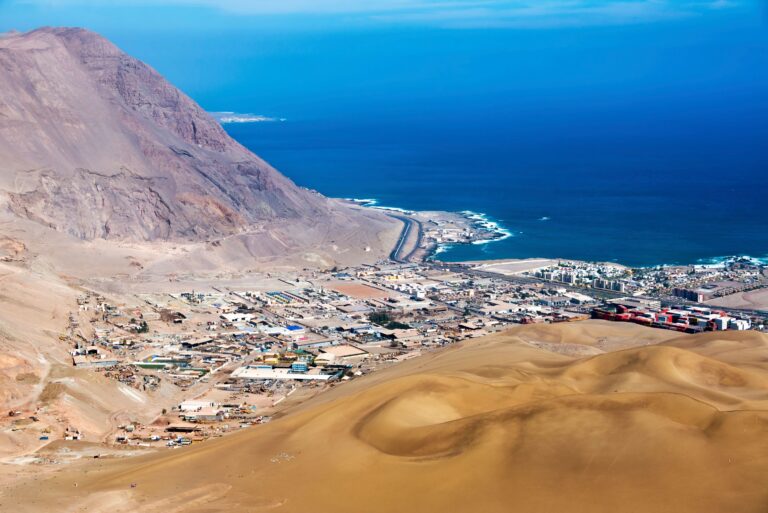
Chile has a diverse climate that varies significantly from region to region. The north is arid, featuring the Atacama Desert, while the central region enjoys a Mediterranean climate. In contrast, the south is cooler and wetter, particularly in Patagonia, where conditions can change rapidly.
Money
The local currency is CLF - Unidad de Fomento, CLP - Chilean Peso ($). Cards are accepted in many places, but carrying some cash can be useful for small purchases, local transport, and rural areas.
Internet & SIM
Mobile coverage is generally good in urban areas, with various providers offering SIM and eSIM options for tourists. Wi-Fi is widely available in hotels, cafes, and public spaces, making it easy to stay connected.
Electricity
Voltage: 220 V
Frequency: 50 Hz
Safety
Emergency
133 / 131 / 132
Explore more in Chile
Places to Visit in Chile

Cities in Chile
About NomadRoute
NomadRoute helps travelers discover destinations, compare flight options, and find competitive fares from trusted airlines and travel providers worldwide. We do not sell airline tickets directly. Instead, we connect travelers with leading booking partners.
Find low fares from trusted travel providers.
Compare options and book directly with partners.
Explore destinations and routes worldwide.
Photo · Frederick Adegoke Snr. · Pexels