
Travel Guide to Bonaire National Marine Park
Bonaire National Marine Park, situated in the Caribbean Netherlands, is a premier destination for nature lovers and underwater enthusiasts. Established in 1979, this marine park encompasses the waters surrounding the island of Bonaire, offering a protected habitat for an array of marine species. Visitors can expect to see colorful coral reefs, tropical fish, and even sea turtles while snorkeling or diving in its crystal-clear waters.
The park is not only a haven for divers but also a significant site for conservation efforts. The diverse ecosystems within the park support various species, making it an essential area for both ecological research and tourism. The atmosphere is tranquil, allowing visitors to immerse themselves in the beauty of nature while enjoying activities like kayaking, paddleboarding, and birdwatching along the coastal areas.
Continue reading the travel guide
Travel Guide to Bonaire National Marine Park
When planning a visit, it's important to note that the park is accessible from various points around the island, with several dive shops and tour operators offering guided experiences. The friendly local community is dedicated to preserving the natural beauty of the park, ensuring that it remains a top destination for years to come.
Why Visit?
Bonaire National Marine Park is a must-visit for anyone passionate about marine life and conservation. Its pristine waters and thriving coral reefs provide unparalleled opportunities for snorkeling and diving, making it an ideal spot for both beginners and experienced divers. Additionally, the park's commitment to sustainability and preservation enhances the overall visitor experience, allowing guests to enjoy the beauty of nature responsibly.
Best Time to Visit
The best time to visit Bonaire National Marine Park is during the dry season, which runs from December to April. During this period, visitors can enjoy sunny weather and calm seas, ideal for diving and snorkeling. However, the park is accessible year-round, with warm temperatures and excellent visibility in the water.
Ready to go? Plan your Bonaire National Marine Park trip → Good to know →
Plan your trip to Bonaire National Marine Park
Flights, accommodation and ways to get around — plan the details that matter to you.
Stay & getting around
Choose a neighbourhood, then decide how you will get from the airport and around the city.
Where to stay Neighbourhoods and accommodation
Where to Stay in Bonaire National Marine Park
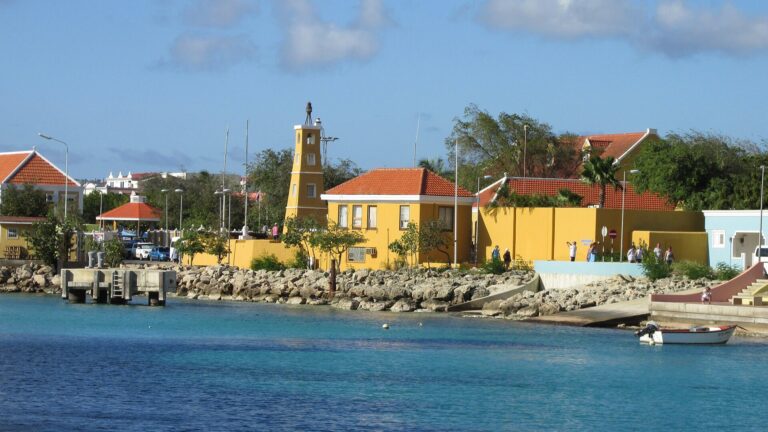
For a convenient stay, consider accommodations in Kralendijk, the capital of Bonaire. This area offers a range of hotels, guesthouses, and vacation rentals, providing easy access to the national park and local amenities. Staying in Kralendijk allows visitors to explore the vibrant local culture while being close to the marine park's attractions.
Getting around Airport transfers and local transport

Getting Around Bonaire National Marine Park
Bonaire is best explored by car, as public transportation options are limited. Renting a vehicle allows visitors to easily reach various entry points of the national park and other attractions around the island. Additionally, many dive shops offer transportation to popular diving sites, making it convenient for those looking to experience the underwater wonders of Bonaire.
Travel essentials
 Stay connected
 Flight delayed or cancelled?
Popular Activities in Bonaire National Marine Park
Good to know about Bonaire National Marine Park
Country factsCapital, language and useful details
Quick Facts
Country
Location
Practical Information
Climate
The Caribbean Netherlands enjoys a tropical climate with warm temperatures year-round. The dry season, from December to April, is characterized by lower humidity and minimal rainfall, while the wet season, from June to November, can bring occasional showers and storms.
Money
The local currency is the United States Dollar (USD). Credit and debit cards are widely accepted, but it's advisable to carry some cash for small purchases, local transport, and in rural areas.
Internet & SIM
Mobile coverage is generally good across the islands, and visitors can purchase local SIM cards or eSIMs for data services. Wi-Fi is available in many hotels, restaurants, and public areas.
Electricity
Voltage: 110 / 120 V
Frequency: 60 Hz
Safety
Emergency
911
Explore more in Caribbean Netherlands
Places to Visit in Caribbean Netherlands
Cities in Caribbean Netherlands
About NomadRoute
NomadRoute helps travelers discover destinations, compare flight options, and find competitive fares from trusted airlines and travel providers worldwide. We do not sell airline tickets directly. Instead, we connect travelers with leading booking partners.
Discover More Destinations
Find low fares from trusted travel providers.
Compare options and book directly with partners.
Explore destinations and routes worldwide.