
Travel Guide to Apo Reef
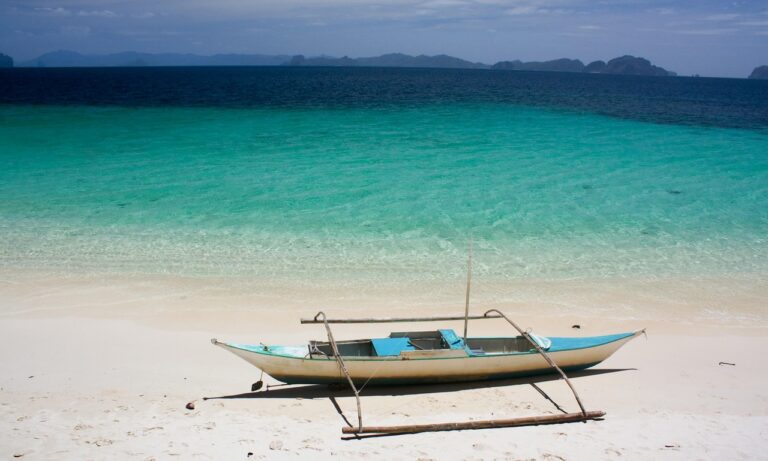
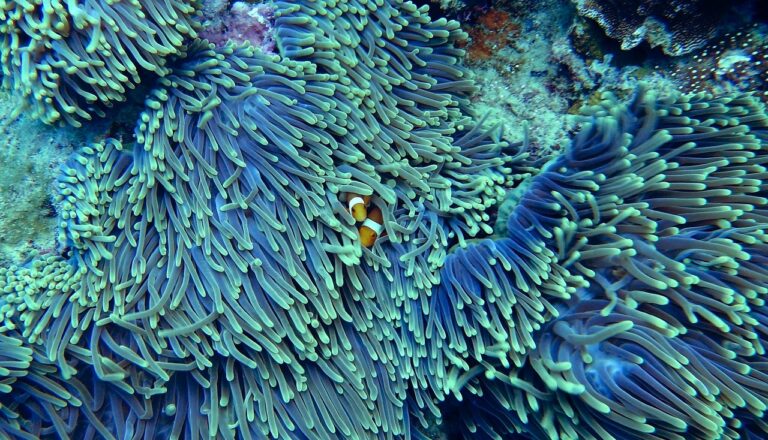
Apo Reef, located in the Philippines, is one of the largest coral reef systems in the country and a UNESCO World Heritage Site. This remarkable natural landscape boasts crystal-clear waters, vibrant coral gardens, and an abundance of marine biodiversity, making it a top destination for divers and snorkelers. Visitors can explore the rich underwater ecosystem, which includes colorful fish, sea turtles, and even the occasional reef shark. The reef is surrounded by picturesque islands, offering stunning views and opportunities for relaxation on pristine beaches.
The atmosphere at Apo Reef is serene and unspoiled, providing a perfect escape from the hustle and bustle of city life. The best way to experience this natural wonder is through guided diving or snorkeling tours, which allow visitors to fully appreciate the underwater beauty. Additionally, the surrounding area is home to various bird species, making it a great spot for birdwatching enthusiasts.
Continue reading the travel guide
Travel Guide to Apo Reef
Practical considerations for visiting Apo Reef include planning your trip around the best diving conditions, which are typically from March to June. While there are no accommodations directly on the reef, nearby towns such as Sablayan offer lodging options and easy access to the reef through organized tours. Whether you're an experienced diver or a first-time snorkeler, Apo Reef promises an unforgettable adventure in one of the Philippines' most beautiful natural landscapes.
Why Visit?
Apo Reef is a must-visit for anyone seeking an extraordinary underwater experience, with its vibrant marine life and stunning coral formations. The serene environment and breathtaking views make it an ideal destination for relaxation and adventure alike.
Best Time to Visit
The best time to visit Apo Reef is between March and June, when the weather is generally dry and visibility for diving and snorkeling is at its peak. Early mornings are ideal for spotting marine life and enjoying the tranquility of the reef.
Ready to go? Plan your Apo Reef trip → Good to know →
Plan your trip to Apo Reef
Flights, accommodation and ways to get around — plan the details that matter to you.
Find flights to Apo Reef
Nearest recommended airport search point: MNL.
See recent flight offersTo Manila €54From Manila €53
Recent flight offers
Compare available fares and routes for Apo Reef.
Flights to Manila Arrivals · MNL
Cheap Flights to Manila for Apo Reef (MNL)
Compare recent fares to Manila, the suggested airport search point for visiting Apo Reef. Choose a listed deal or use the search box above to check prices from your airport.
Flights from Apo Reef Departures · MNL
Cheap Flights from Manila (MNL)
Compare the latest low fares from Manila to popular destinations. Prices are updated regularly and may change based on travel dates and availability.
Stay & getting around
Choose a neighbourhood, then decide how you will get from the airport and around the city.
Where to stay Neighbourhoods and accommodation
Where to Stay in Apo Reef
The nearest accommodations are located in Sablayan, a town on the mainland that offers various lodging options, from budget hostels to more comfortable hotels. Staying in Sablayan provides easy access to organized tours to Apo Reef.
Getting around Airport transfers and local transport

Getting Around Apo Reef
To reach Apo Reef, travelers typically fly into Manila (MNL) and then take a domestic flight to San Jose, Occidental Mindoro. From there, a combination of land transport and boat rides will take you to the reef. Once at Apo Reef, diving and snorkeling tours usually provide all necessary equipment and transportation.
Travel essentials
 Stay connected
 Flight delayed or cancelled?
Popular Activities in Apo Reef
Good to know about Apo Reef
Map & DirectionsChoose a map
Open Apo Reef in your preferred map app.




Country factsCapital, language and useful details
Quick Facts
Country
Location
Practical Information
Climate
The Philippines has a tropical maritime climate characterized by warm temperatures year-round. The dry season from December to May is ideal for outdoor activities, while the wet season from June to November can bring tropical storms, especially in the northern regions.
Money
The local currency is PHP - Philippine Peso (₱). Cards are accepted in many places, but carrying some cash can be useful for small purchases, local transport, and in rural areas.
Internet & SIM
Mobile coverage is generally good in urban areas, with various options for SIM and eSIM availability. Wi-Fi is commonly found in hotels, cafes, and restaurants, but may be less reliable in rural areas.
Electricity
Voltage: 220 V
Frequency: 60 Hz
Safety
Emergency
911
Explore more in Philippines
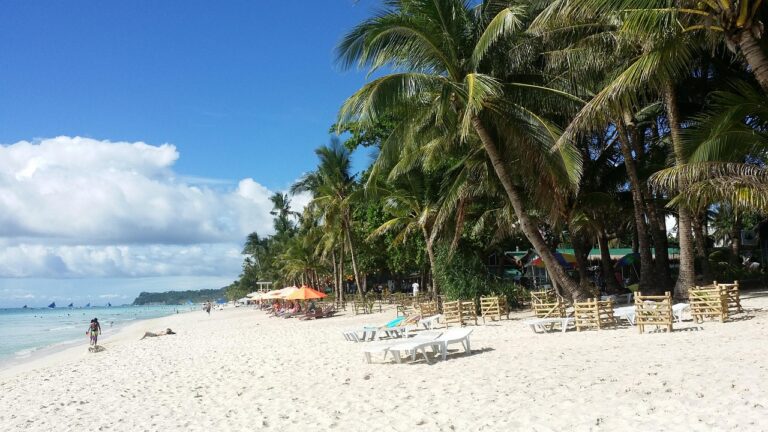
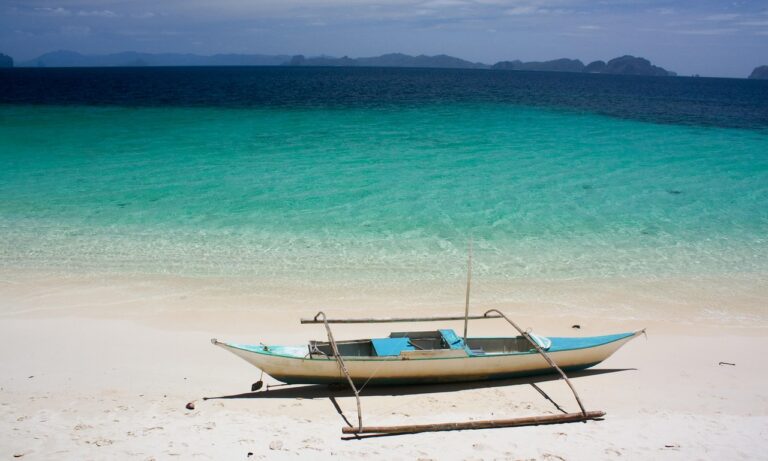
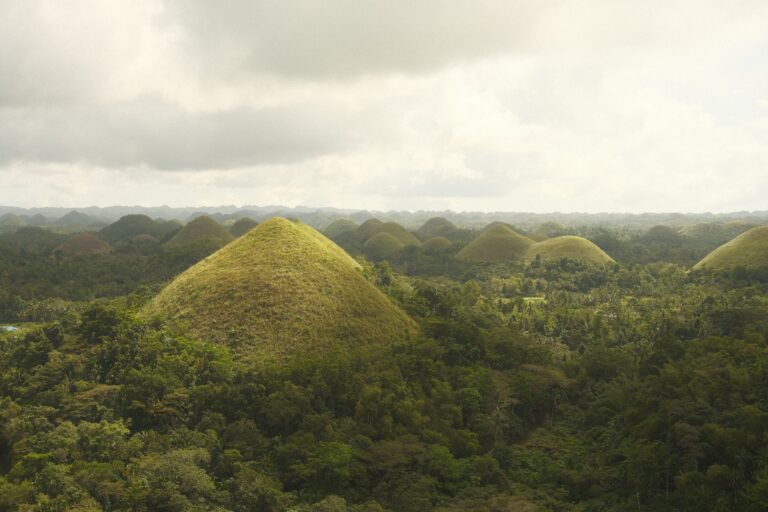
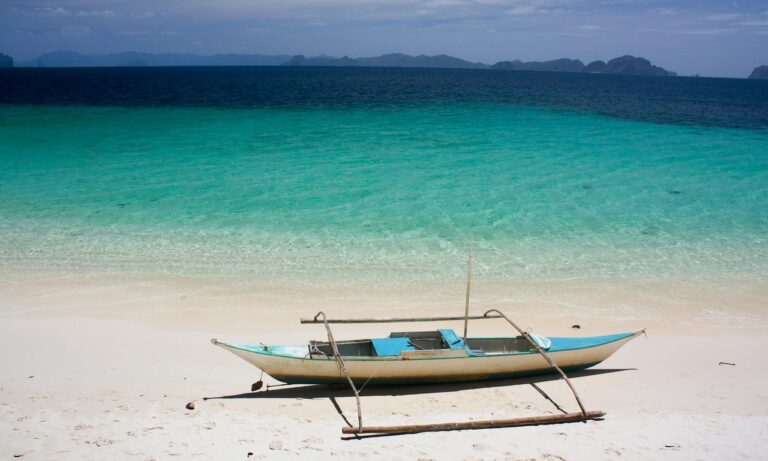
Places to Visit in Philippines






Cities in Philippines



About NomadRoute
NomadRoute helps travelers discover destinations, compare flight options, and find competitive fares from trusted airlines and travel providers worldwide. We do not sell airline tickets directly. Instead, we connect travelers with leading booking partners.
Discover More Destinations
Find low fares from trusted travel providers.
Compare options and book directly with partners.
Explore destinations and routes worldwide.