
Travel Guide to Antarctica
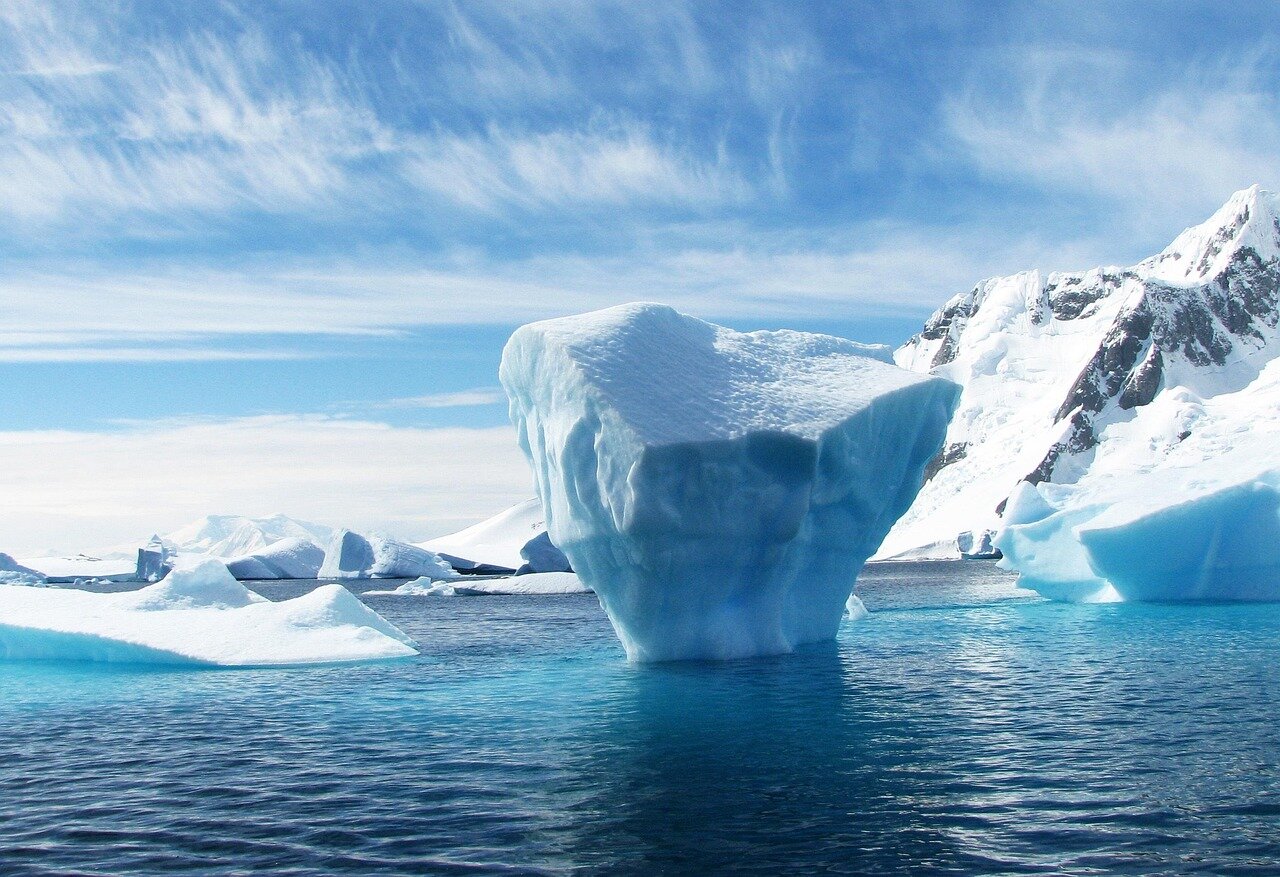
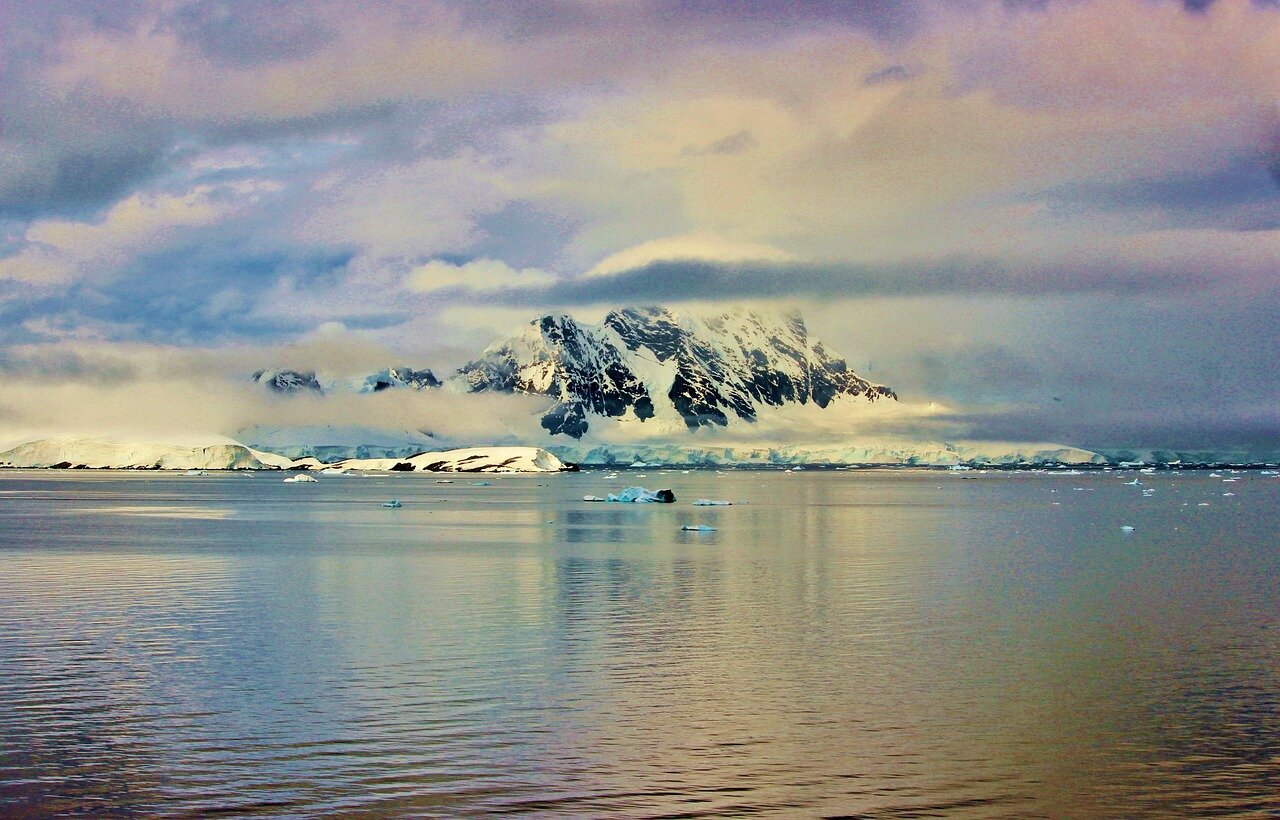
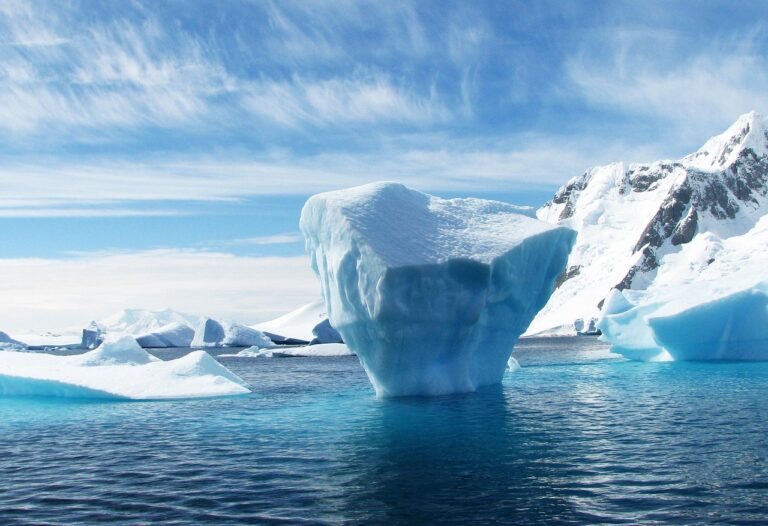
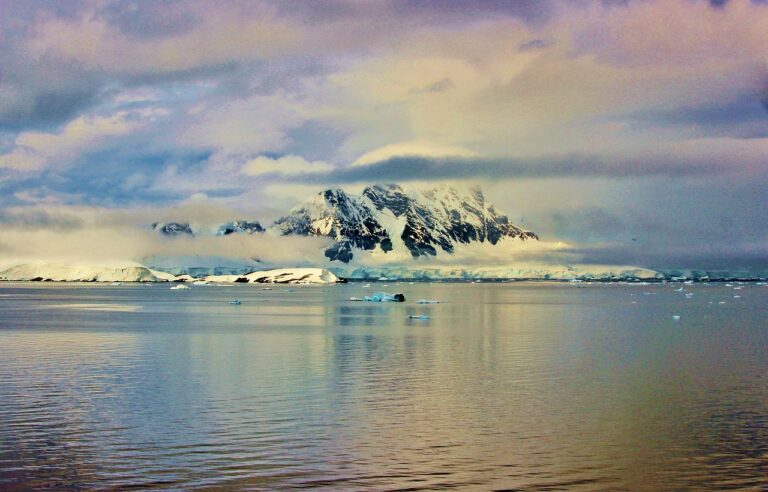
Antarctica, the southernmost continent, is a realm of stunning beauty and adventure, characterized by its vast icy expanses, towering glaciers, and extraordinary wildlife. This remote land is home to remarkable species such as penguins, seals, and whales, providing incredible opportunities for wildlife watching. Visitors can embark on guided tours to explore the breathtaking landscapes of the Antarctic Peninsula, where icebergs float serenely in the frigid waters.
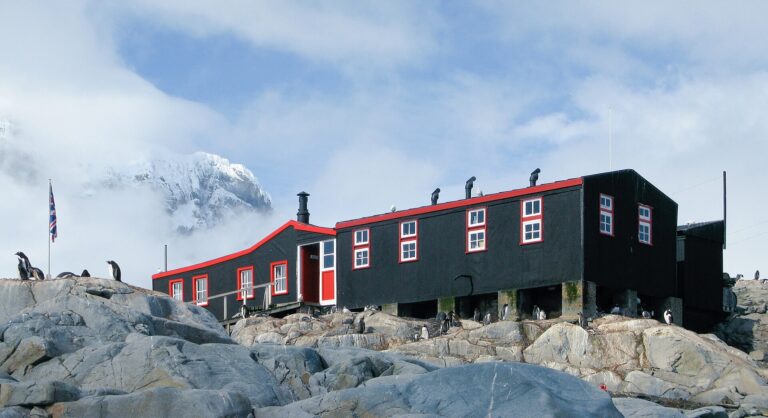
The culture of Antarctica is shaped by the various research stations established by countries around the world. These stations serve as hubs for scientific research and exploration, allowing visitors to gain insight into ongoing studies of climate change and marine biology. While there are no permanent residents, the transient population of scientists and researchers adds a unique dynamic to the continent, enriching the experience for those who visit.
Continue reading the travel guide
Travel Guide to Antarctica
Travel highlights include breathtaking cruises through icy waters, kayaking among icebergs, and hiking on glaciers. Adventurous souls can even try polar plunges or camping on the ice. With its extreme conditions and remote location, Antarctica offers a travel experience that is unlike any other destination on Earth, making it a must-visit for those seeking adventure and natural beauty.
Why Visit?
Antarctica is a prime destination for adventure seekers and nature enthusiasts. The chance to witness majestic glaciers, observe diverse wildlife, and experience the stark, pristine environment is unparalleled. Activities such as ice climbing, kayaking, and guided expeditions provide unforgettable experiences. Whether you're drawn by the allure of its landscapes or the opportunity to engage in scientific exploration, Antarctica promises an extraordinary journey that will leave lasting memories.
Best Time to Visit
The best time to visit Antarctica is during the austral summer, from November to March. This period offers milder temperatures and longer daylight hours, making it ideal for exploration. In November, the ice begins to melt, revealing stunning landscapes and allowing access to various sites. December and January are peak months for wildlife viewing, particularly for observing penguin chicks and seal pups. However, as summer progresses into February and March, the weather can become more unpredictable, but it also offers the chance to see migrating whales. Travelers should plan their trips carefully to avoid the harsh conditions of winter, which can be extremely cold and inhospitable.
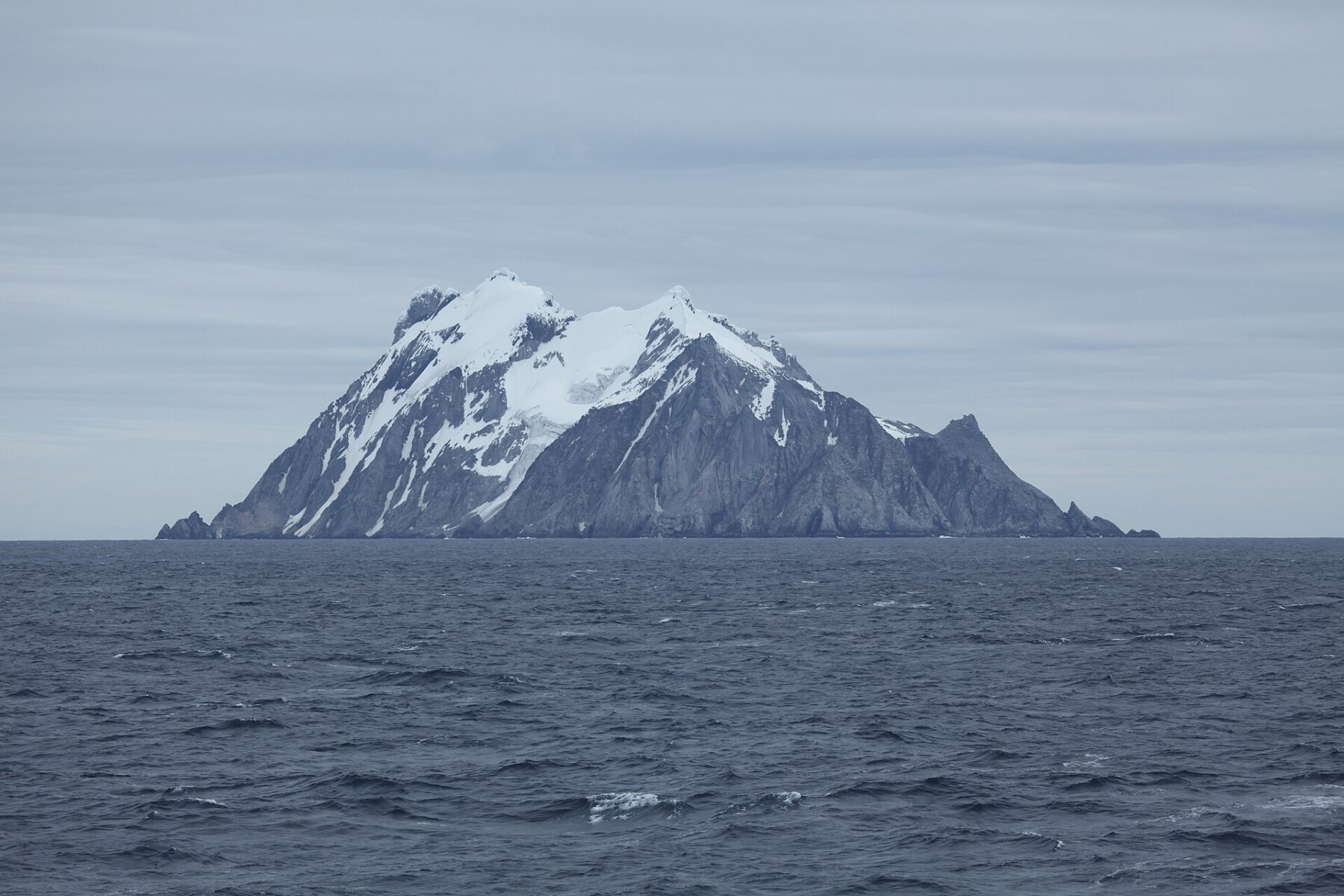
Antarctica highlights
View all
Ready to go? Plan your Antarctica trip → Good to know →
Plan your trip to Antarctica
Flights, accommodation and ways to get around — plan the details that matter to you.
Stay & getting around
Choose a neighbourhood, then decide how you will get from the airport and around the city.
Where to stay Neighbourhoods and accommodation
Where to Stay in Antarctica
Accommodation in Antarctica primarily consists of expedition ships and research stations. Most visitors stay on board cruise ships that offer comfortable amenities and guided excursions. Some research stations may offer limited lodging for scientists and researchers, but these are not typically available for tourists. It's essential to book your trip well in advance, as space is limited and demand is high during the summer months.
Getting around Airport transfers and local transport

Getting Around Antarctica
Transportation in Antarctica is mainly via boats and small aircraft. Most visitors arrive by cruise ships, which provide guided tours and excursions to various locations. Zodiacs, inflatable boats, are commonly used for shore landings and exploring the coastline. For those venturing deeper into the continent, chartered flights may be available to reach remote research stations or specific sites of interest.
Travel essentials
 Stay connected
 Flight delayed or cancelled?
Popular Activities in Antarctica
Good to know about Antarctica
Map & DirectionsChoose a map
Open Antarctica in your preferred map app.




Country factsCapital, language and useful details
Quick Facts
Country
Location
Practical Information
Climate
Antarctica has a polar climate, characterized by extremely cold temperatures and strong winds. The coastal regions experience milder conditions, while the interior is much colder. Summer temperatures can reach up to 8°C (46°F) along the coast, while winter temperatures can plummet to -60°C (-76°F) in the interior.
Money
Antarctica does not have an official currency. Visitors typically use their home currency or credit cards for purchases in ports of departure. It's advisable to carry some cash for small purchases in research stations or during excursions.
Internet & SIM
Internet access in Antarctica is limited and primarily available at research stations. Mobile coverage is sparse, and travelers should consider using satellite phones for communication. Some expedition ships may offer Wi-Fi, but it can be slow and unreliable.
Safety
Emergency
112
Frequently Asked Travel Questions
What is the best time to visit Antarctica?
The best time to visit Antarctica is during the austral summer, from November to March, when temperatures are milder and wildlife is more active.
What currency is used in Antarctica?
Antarctica does not have an official currency. Visitors typically use their home currency or credit cards for purchases in ports of departure.
How do I get to Antarctica?
Most travelers reach Antarctica by taking a cruise ship from Ushuaia, Argentina, or Punta Arenas, Chile, which offer guided tours and excursions.
Is it safe to travel to Antarctica?
Antarctica is generally safe for travelers, but conditions can be extreme. It's important to follow local guidelines and take necessary precautions.
What should I pack for a trip to Antarctica?
Pack warm, waterproof clothing, sturdy boots, and essential gear like binoculars and cameras to capture the stunning landscapes and wildlife.
Explore more in Antarctica
Places to Visit in Antarctica
About NomadRoute
NomadRoute helps travelers discover destinations, compare flight options, and find competitive fares from trusted airlines and travel providers worldwide. We do not sell airline tickets directly. Instead, we connect travelers with leading booking partners.
Find low fares from trusted travel providers.
Compare options and book directly with partners.
Explore destinations and routes worldwide.