
Travel Guide to Aletsch Glacier
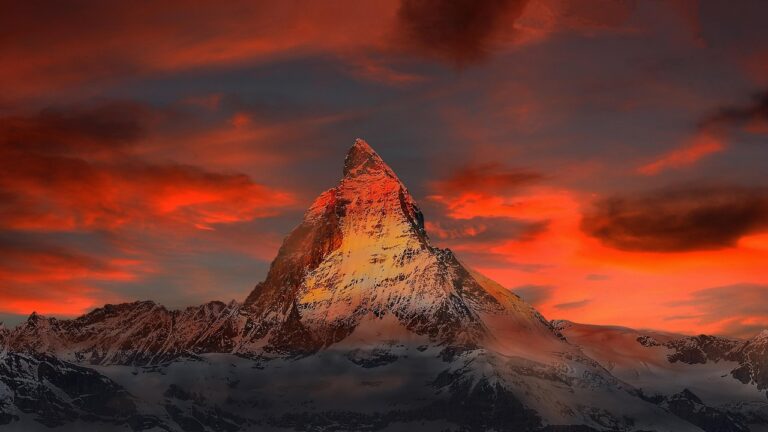
The Aletsch Glacier, stretching over 23 kilometers, is a stunning natural wonder nestled in the Swiss Alps. As the largest glacier in the Alps, it is part of the Jungfrau-Aletsch region, which has been designated a UNESCO World Heritage site due to its exceptional glacial landscape and biodiversity. Visitors to the Aletsch Glacier can expect to be mesmerized by the vast expanse of ice, surrounded by towering peaks and lush valleys. The glacier is not only a sight to behold but also offers various activities, including hiking, skiing, and mountaineering, making it a year-round destination for adventure seekers.
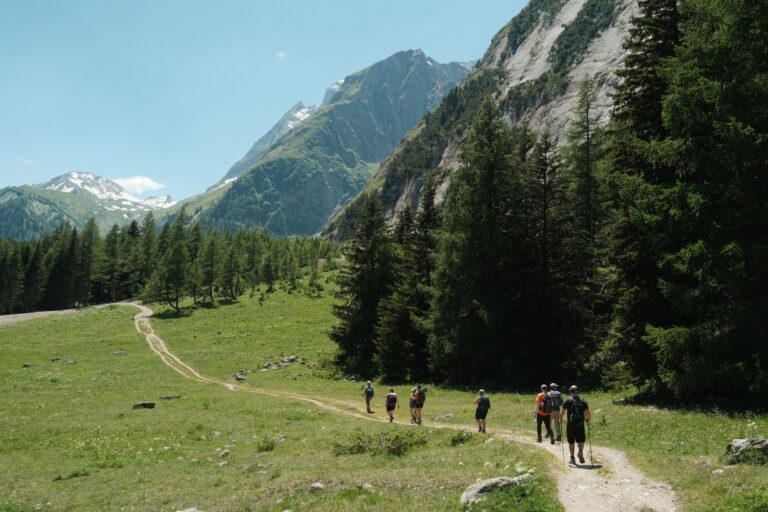
The atmosphere around the glacier is serene and awe-inspiring, with the crisp mountain air and the sound of cracking ice creating a unique experience. The best way to appreciate the glacier is by taking a hike along the well-marked trails that offer panoramic views of the ice formations and surrounding mountains. Guided tours are also available for those who wish to learn more about the glacier's geology and ecology. Practical considerations for visiting include checking the weather conditions, as they can change rapidly in the mountains, and ensuring you have appropriate gear for hiking or skiing.
Continue reading the travel guide
Travel Guide to Aletsch Glacier
The Aletsch Glacier is easily accessible from nearby towns such as Fiesch and Bettmeralp, where visitors can find accommodations and dining options. The nearest major airport is Zurich Airport (ZRH), from which travelers can reach the glacier by train and cable car, making it a convenient destination for both local and international visitors.
Why Visit?
Visiting Aletsch Glacier offers a unique opportunity to witness the largest glacier in the Alps, enjoy breathtaking views, and engage in outdoor activities like hiking and skiing in a UNESCO World Heritage site.
Best Time to Visit
The best time to visit Aletsch Glacier is during the summer months from June to September when the weather is milder and the hiking trails are accessible. Winter also offers skiing opportunities, particularly from December to March.
Ready to go? Plan your Aletsch Glacier trip → Good to know →
Plan your trip to Aletsch Glacier
Flights, accommodation and ways to get around — plan the details that matter to you.
Find flights to Aletsch Glacier
Nearest recommended airport search point: ZRH.
See recent flight offersTo Zurich €43From Zurich €46
Recent flight offers
Compare available fares and routes for Aletsch Glacier.
Flights to Zurich Arrivals · ZRH
Cheap Flights to Zurich for Aletsch Glacier (ZRH)
Compare recent fares to Zurich, the suggested airport search point for visiting Aletsch Glacier. Choose a listed deal or use the search box above to check prices from your airport.
Flights from Aletsch Glacier Departures · ZRH
Cheap Flights from Zurich (ZRH)
Compare the latest low fares from Zurich to popular destinations. Prices are updated regularly and may change based on travel dates and availability.
Stay & getting around
Choose a neighbourhood, then decide how you will get from the airport and around the city.
Where to stay Neighbourhoods and accommodation
Where to Stay in Aletsch Glacier
The most practical base for visiting Aletsch Glacier is the town of Fiesch, which offers a range of accommodations and easy access to the glacier via cable cars.
Getting around Airport transfers and local transport

Getting Around Aletsch Glacier
Travelers can reach Aletsch Glacier by taking a train to Fiesch and then a cable car to the glacier area. Once there, visitors can explore the region on foot or use local transport options to access various viewpoints and trails.
Travel essentials
 Stay connected
 Flight delayed or cancelled?
Popular Activities in Aletsch Glacier
Good to know about Aletsch Glacier
Map & DirectionsChoose a map
Open Aletsch Glacier in your preferred map app.




Country factsCapital, language and useful details
Quick Facts
Country
Location
Practical Information
Climate
Switzerland has a diverse climate that varies by region. The country experiences four distinct seasons, with cold winters and mild summers. The mountainous areas can have heavy snowfall in winter, while the valleys enjoy a temperate climate, making it suitable for year-round travel.
Money
The local currency is CHF - Swiss Franc. Credit and debit cards are widely accepted in urban areas, but it's advisable to carry some cash for small purchases, especially in rural areas and local markets.
Internet & SIM
Switzerland has excellent mobile coverage, and SIM cards are readily available at airports and convenience stores. Wi-Fi is commonly found in hotels, cafes, and public spaces, making it easy to stay connected.
Electricity
Voltage: 230 V
Frequency: 50 Hz
Safety
Emergency
112
Explore more in Switzerland
Places to Visit in Switzerland
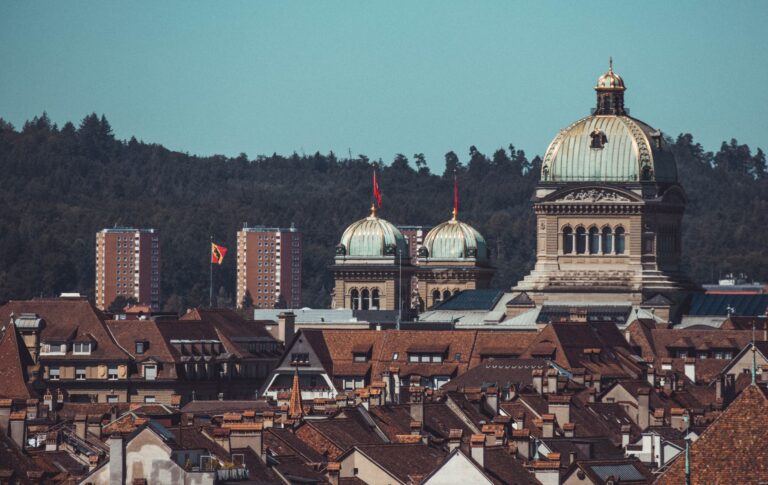
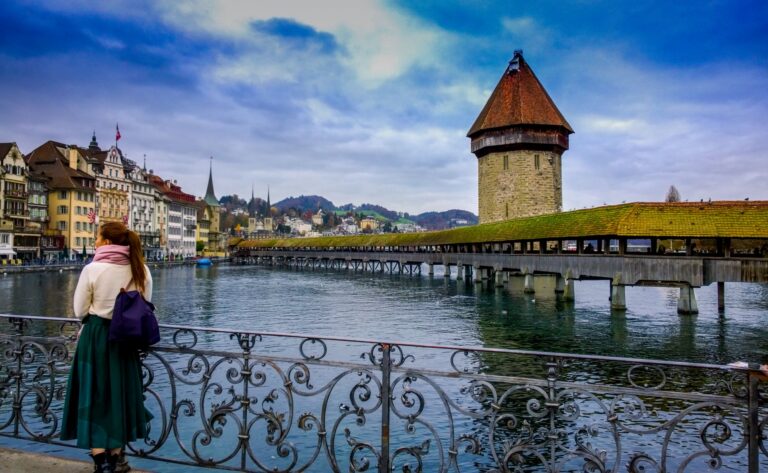
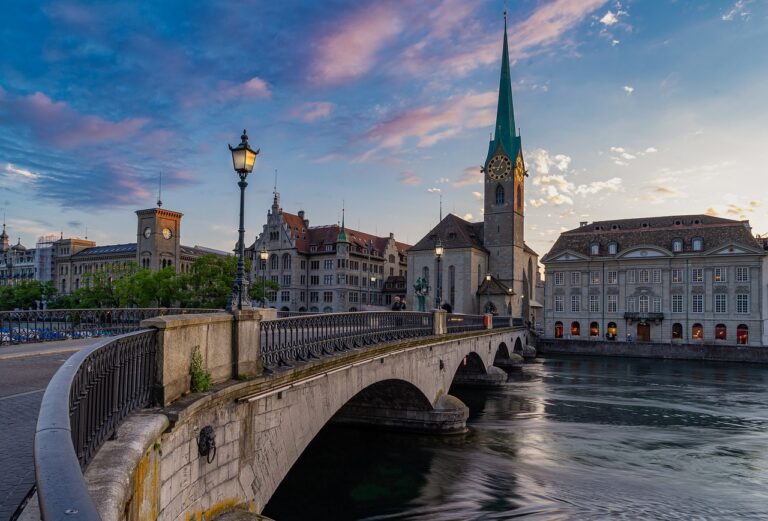
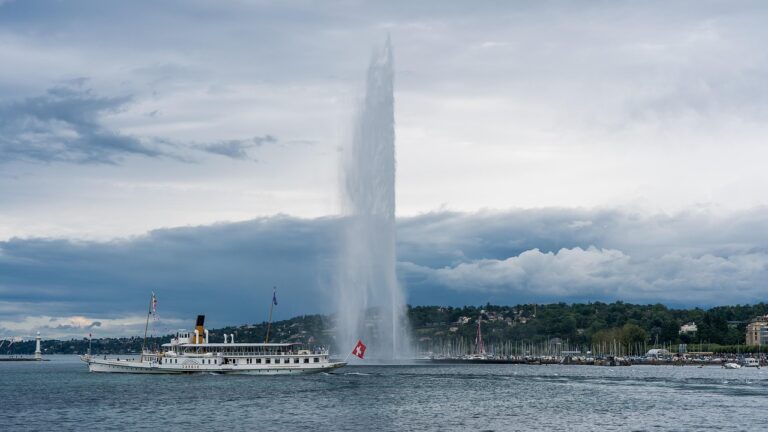
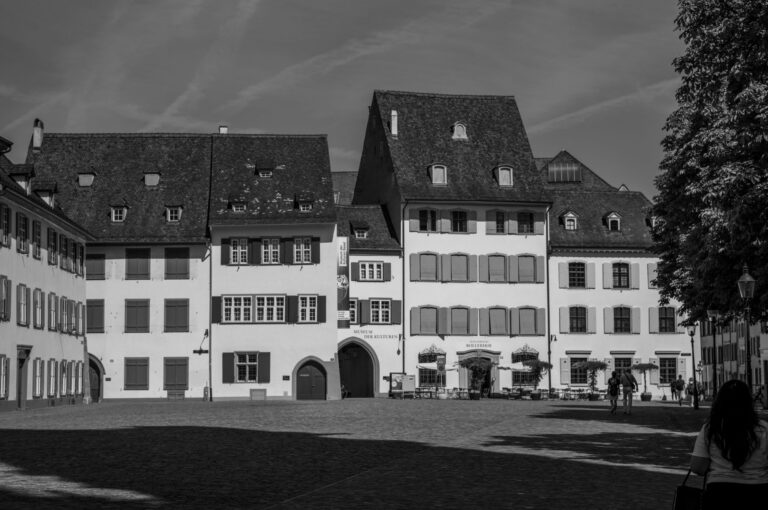
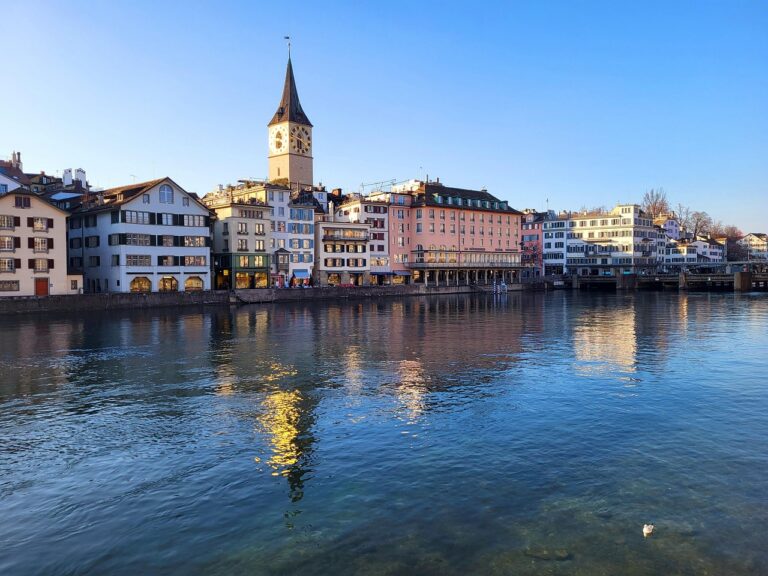

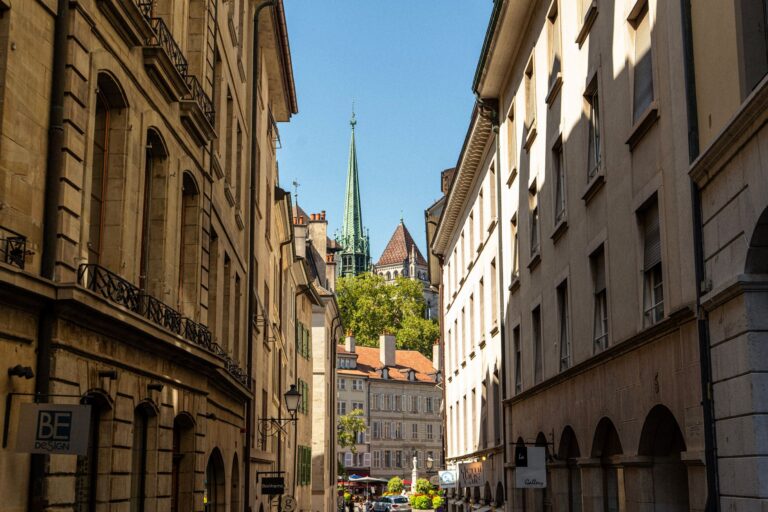

Cities in Switzerland
About NomadRoute
NomadRoute helps travelers discover destinations, compare flight options, and find competitive fares from trusted airlines and travel providers worldwide. We do not sell airline tickets directly. Instead, we connect travelers with leading booking partners.
Find low fares from trusted travel providers.
Compare options and book directly with partners.
Explore destinations and routes worldwide.