
Travel Guide to Corcovado National Park
Corcovado National Park is a remarkable wilderness area and a cornerstone of Costa Rica's national park system. Nestled in the southwest on the Osa Peninsula, it encompasses approximately 424 square kilometers of one of the largest remaining stretches of lowland tropical rainforest in Central America. Established in 1975, the park is a testament to Costa Rica's commitment to conservation, with over a quarter of the country's land protected through national parks and reserves.
The park's extraordinary biodiversity is its defining feature, boasting more than 500 tree species, countless flowering plants, and various ecosystems that provide habitats for thousands of animal species. Visitors can explore mangrove forests, lowland and mountain rainforests, cloud forests, and coastal ecosystems, all of which contribute to Corcovado's reputation as a premier destination for nature enthusiasts and wildlife photographers.
Continue reading the travel guide
Travel Guide to Corcovado National Park
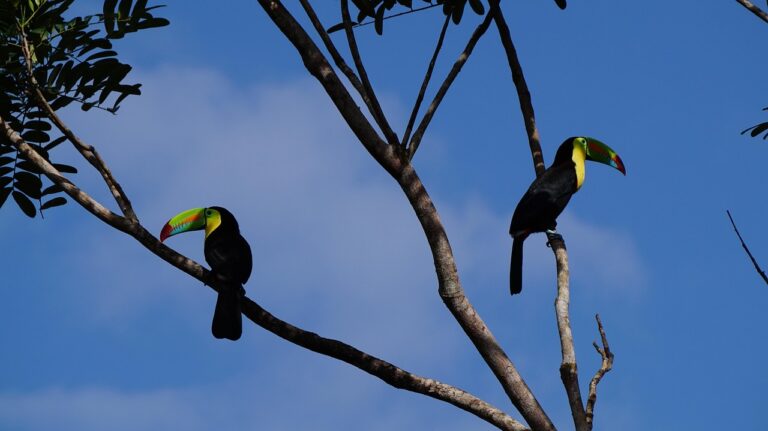
Wildlife is abundant, with the park being one of the few places in Central America where jaguars roam freely. While sightings are rare, visitors can expect to see Baird's tapirs, white-nosed coatis, sloths, and all four monkey species native to Costa Rica. Birdwatchers will delight in the presence of over 350 bird species, including scarlet macaws and toucans, making it one of the finest birdwatching locations in the Americas.
The coastal waters surrounding Corcovado are equally impressive, with opportunities to spot humpback whales, dolphins, and sea turtles, especially during nesting seasons. The combination of rainforest and marine ecosystems within a compact area makes Corcovado one of the most complete natural destinations in the world.
Exploring the park is a unique experience, as visitors must enter with certified professional guides, ensuring both safety and wildlife protection. Trails vary from short guided walks to challenging multi-day expeditions, with the coastal trail being particularly popular for wildlife sightings. Hikers should be prepared for river crossings and humid conditions, making good physical fitness essential for longer routes.
The best time to visit is during the dry season from December to April when trails are more accessible. Although the rainy season from July to November brings lush greenery, it can also lead to temporary trail closures due to heavy rainfall.
Planning a visit requires advance arrangements for entry permits and certified guides. Accommodation within the park is limited to basic facilities, with most travelers opting to stay in nearby communities such as Drake Bay or Puerto Jiménez. Essential items to bring include lightweight clothing, hiking boots, insect repellent, and waterproof gear for cameras.
Corcovado National Park is not just a destination; it's a journey into one of the most biologically intense places on Earth, offering an unforgettable adventure for those seeking to connect with nature in its purest form.
Why Visit?
Corcovado National Park offers an unparalleled rainforest experience, showcasing an astonishing concentration of wildlife and plant life in a relatively accessible setting. Recognized by National Geographic as 'the most biologically intense place on Earth,' the park is a haven for eco-tourism, attracting visitors eager to immerse themselves in one of the last truly wild tropical rainforests. Here, you can witness nearly three percent of the planet's biodiversity in a single location, making it a must-visit for nature lovers and adventure seekers alike.
Best Time to Visit
The ideal time to visit Corcovado National Park is during the dry season from December to April, when hiking trails are more accessible and river crossings are easier. Wildlife can be observed year-round, but heavy rains from July to November may lead to temporary closures of some park areas.
Ready to go? Plan your Corcovado National Park trip → Good to know →
Plan your trip to Corcovado National Park
Flights, accommodation and ways to get around — plan the details that matter to you.
Find flights to Corcovado National Park
Nearest recommended airport search point: SJO.
See recent flight offersTo San Jose €223From San Jose €146
Recent flight offers
Compare available fares and routes for Corcovado National Park.
Flights to San Jose Arrivals · SJO
Cheap Flights to San Jose for Corcovado National Park (SJO)
Compare recent fares to San Jose, the suggested airport search point for visiting Corcovado National Park. Choose a listed deal or use the search box above to check prices from your airport.
Flights from Corcovado National Park Departures · SJO
Cheap Flights from San Jose (SJO)
Compare the latest low fares from San Jose to popular destinations. Prices are updated regularly and may change based on travel dates and availability.
Stay & getting around
Choose a neighbourhood, then decide how you will get from the airport and around the city.
Where to stay Neighbourhoods and accommodation
Where to Stay in Corcovado National Park
Accommodation within Corcovado National Park is limited to basic ranger stations and designated overnight facilities. Most visitors opt to stay in nearby areas such as Drake Bay, Puerto Jiménez, or eco-lodges on the Osa Peninsula before embarking on guided tours into the park.
Getting around Airport transfers and local transport

Getting Around Corcovado National Park
Accessing Corcovado National Park requires a certified guide. Visitors typically reach the park from Drake Bay or Puerto Jiménez via boat or 4WD vehicle, followed by hiking to explore its trails. Hiking is the primary mode of transportation within the park, with some routes necessitating river crossings and a moderate to high level of physical fitness.
Travel essentials
 Stay connected
 Flight delayed or cancelled?
Popular Activities in Corcovado National Park
Good to know about Corcovado National Park
Map & DirectionsChoose a map
Open Corcovado National Park in your preferred map app.




Country factsCapital, language and useful details
Quick Facts
Country
Location
Practical Information
Climate
Costa Rica features a diverse climate influenced by its varied geography. The Pacific coast is generally warm and humid, while the Caribbean side experiences more rainfall throughout the year. The central highlands enjoy a milder, spring-like climate. The dry season from December to April is the most popular time to visit, while the green season from May to November offers lush landscapes and fewer tourists.
Money
The local currency is the Costa Rican colón (CRC). Credit and debit cards are widely accepted in urban areas and tourist spots, but it's advisable to carry some cash for small purchases, local transport, and rural areas where card acceptance may be limited.
Internet & SIM
Costa Rica has good mobile coverage, and visitors can easily purchase SIM cards or eSIMs at the airport or in major cities. Wi-Fi is commonly available in hotels, cafes, and public areas, making it convenient to stay connected during your travels.
Electricity
Voltage: 120 V
Frequency: 60 Hz
Safety
Emergency
911
Explore more in Costa Rica
Places to Visit in Costa Rica

Cities in Costa Rica

About NomadRoute
NomadRoute helps travelers discover destinations, compare flight options, and find competitive fares from trusted airlines and travel providers worldwide. We do not sell airline tickets directly. Instead, we connect travelers with leading booking partners.
Discover More Destinations
Find low fares from trusted travel providers.
Compare options and book directly with partners.
Explore destinations and routes worldwide.