
Travel Guide to Al-Aqsa Mosque
Al-Aqsa Mosque, situated in the heart of Jerusalem, is a revered religious site and a symbol of Islamic heritage. As the third holiest site in Islam, it holds immense spiritual significance for Muslims worldwide. The mosque is part of the larger Al-Haram Ash-Sharif, or the Noble Sanctuary, which also includes the Dome of the Rock, an iconic structure known for its striking golden dome.
Visitors to Al-Aqsa Mosque can expect to be enveloped in a serene atmosphere, surrounded by intricate mosaics, beautiful arches, and lush courtyards. The mosque's architecture reflects various historical influences, showcasing a blend of Islamic, Byzantine, and Roman styles. As you explore the site, take a moment to appreciate the stunning views of the Old City and the surrounding landscape.
Continue reading the travel guide
Travel Guide to Al-Aqsa Mosque
When planning your visit, it's important to be aware of the site's religious significance and the customs observed here. Dress modestly and be respectful of the worshippers. Guided tours are available, providing insights into the mosque's rich history and the broader context of Jerusalem's religious landscape. Al-Aqsa Mosque is not just a place of worship; it is a testament to the enduring spirit of faith and resilience in the region.
Why Visit?
Visiting Al-Aqsa Mosque offers a unique opportunity to experience a pivotal site in Islamic history and culture. The mosque's stunning architecture and tranquil ambiance provide a profound spiritual experience, making it a must-see for anyone traveling to Jerusalem.
Best Time to Visit
The best time to visit Al-Aqsa Mosque is during the spring (March to May) and fall (September to November) when the weather is mild and pleasant. Early mornings are ideal for a quieter experience, allowing visitors to enjoy the site before larger crowds arrive.
Ready to go? Plan your Al-Aqsa Mosque trip → Good to know →
Plan your trip to Al-Aqsa Mosque
Flights, accommodation and ways to get around — plan the details that matter to you.
Find flights to Al-Aqsa Mosque
Nearest recommended airport search point: TLV.
See recent flight offersFrom Tel Aviv Yafo €45
Recent flight offers
Compare available fares and routes for Al-Aqsa Mosque.
Flights from Al-Aqsa Mosque Departures · TLV
Cheap Flights from Tel Aviv Yafo (TLV)
Compare the latest low fares from Tel Aviv Yafo to popular destinations. Prices are updated regularly and may change based on travel dates and availability.
Stay & getting around
Choose a neighbourhood, then decide how you will get from the airport and around the city.
Where to stay Neighbourhoods and accommodation
Where to Stay in Al-Aqsa Mosque
For convenient access to Al-Aqsa Mosque, consider staying in the Old City of Jerusalem or nearby neighborhoods such as East Jerusalem. These areas offer a range of accommodations, from budget hostels to more luxurious hotels, all within walking distance of the mosque.
Getting around Airport transfers and local transport

Getting Around Al-Aqsa Mosque
Al-Aqsa Mosque is easily accessible on foot from various points in Jerusalem, particularly within the Old City. Public transportation options, including buses and taxis, can take you close to the site, but be prepared for some walking. The nearest airport is Ben Gurion Airport (TLV), located about 40 minutes away by car.
Travel essentials
 Stay connected
 Flight delayed or cancelled?
Popular Activities in Al-Aqsa Mosque
Good to know about Al-Aqsa Mosque
Map & DirectionsChoose a map
Open Al-Aqsa Mosque in your preferred map app.




Country factsCapital, language and useful details
Quick Facts
Country
Location
Practical Information
Climate
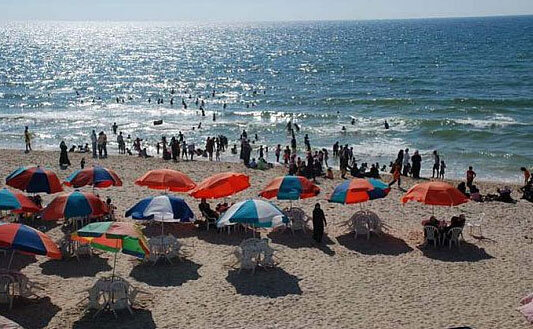
The Palestinian Territories experience a Mediterranean climate, characterized by hot, dry summers and mild, wet winters. The coastal areas tend to be more humid, while the inland regions can experience more extreme temperatures. Seasonal variations can significantly affect travel plans, so it's advisable to check local weather conditions before your visit.
Money
The local currency is ILS - Israeli New Shekel (₪), JOD - Jordanian Dinar, EGP - Egyptian Pound. Cards are accepted in many places, but carrying some cash can be useful for small purchases, local transport, and rural areas.
Internet & SIM
Mobile coverage is generally good in urban areas, with several providers offering SIM and eSIM options for tourists. Wi-Fi is available in many hotels, cafes, and public spaces, making it easy to stay connected during your visit.
Electricity
Voltage: 230 V
Frequency: 50 Hz
Safety
Emergency
100 / 101 / 102
Explore more in Palestinian Territories
Places to Visit in Palestinian Territories
Cities in Palestinian Territories
About NomadRoute
NomadRoute helps travelers discover destinations, compare flight options, and find competitive fares from trusted airlines and travel providers worldwide. We do not sell airline tickets directly. Instead, we connect travelers with leading booking partners.
Find low fares from trusted travel providers.
Compare options and book directly with partners.
Explore destinations and routes worldwide.
Photo · Yasir Gürbüz · Pexels