
Travel Guide to Plain of Jars
The Plain of Jars, located in the Xieng Khouang province of Laos, is one of the most intriguing archaeological sites in Southeast Asia. This UNESCO World Heritage Site features thousands of large stone jars, some weighing over a ton, scattered across the plains. The origins and purpose of these jars remain a mystery, with theories ranging from burial practices to ancient storage methods. Visitors can explore the various sites, each with its unique collection of jars, and enjoy the stunning views of the surrounding countryside.
The atmosphere at the Plain of Jars is both serene and enigmatic, offering a glimpse into the ancient cultures that once thrived in this region. The site is divided into several locations, with the most popular being Site 1, which is easily accessible and features a large concentration of jars. As you wander among these ancient relics, you can imagine the stories they hold and the people who once used them. The best time to visit is during the dry season, from November to April, when the weather is pleasant and the landscape is lush.
Continue reading the travel guide
Travel Guide to Plain of Jars
While exploring the Plain of Jars, it's essential to consider practical aspects such as transportation and accommodation. The nearest town, Phonsavan, serves as a convenient base for visitors, offering various lodging options and dining establishments. From Phonsavan, you can easily arrange tours or transportation to the archaeological site, making it a hassle-free experience for travelers.
Overall, the Plain of Jars is a must-visit destination for those interested in history, archaeology, and the natural beauty of Laos.
Why Visit?
Visiting the Plain of Jars offers a unique opportunity to explore one of Southeast Asia's most enigmatic archaeological sites, where ancient history and stunning landscapes converge. The site's mysterious stone jars and rich cultural significance provide a fascinating experience for history enthusiasts and curious travelers alike.
Best Time to Visit
The ideal time to visit the Plain of Jars is during the dry season, from November to April, when temperatures are mild and the landscape is at its most vibrant. Early mornings or late afternoons are particularly pleasant for exploring the site, avoiding the midday heat.
Ready to go? Plan your Plain of Jars trip → Good to know →
Plan your trip to Plain of Jars
Flights, accommodation and ways to get around — plan the details that matter to you.
Find flights to Plain of Jars
Nearest recommended airport search point: XKH.
See recent flight offers
Recent flight offers
Compare available fares and routes for Plain of Jars.
Stay & getting around
Choose a neighbourhood, then decide how you will get from the airport and around the city.
Where to stay Neighbourhoods and accommodation
Where to Stay in Plain of Jars
Phonsavan is the most practical base for visiting the Plain of Jars, offering a range of accommodations from budget guesthouses to mid-range hotels. Staying in Phonsavan allows easy access to the archaeological site and local amenities.
Getting around Airport transfers and local transport

Getting Around Plain of Jars
Travelers can reach the Plain of Jars by flying into Xieng Khouang Airport (XKH) and then taking a taxi or shuttle to Phonsavan. From Phonsavan, you can hire a tuk-tuk or join a guided tour to explore the various jar sites. The roads are generally in good condition, making it accessible for visitors.
Travel essentials
 Stay connected
 Flight delayed or cancelled?
Popular Activities in Plain of Jars
Good to know about Plain of Jars
Map & DirectionsChoose a map
Open Plain of Jars in your preferred map app.




Country factsCapital, language and useful details
Quick Facts
Country
Location
Practical Information
Climate
Laos has a tropical monsoon climate, characterized by a wet season from May to October and a dry season from November to April. The northern regions can experience cooler temperatures during the dry season, while the south remains warm year-round.
Money
The local currency is LAK - Lao Kip. Cards are accepted in many places, but carrying some cash can be useful for small purchases, local transport, and rural areas.
Internet & SIM
Mobile coverage is generally good in urban areas, with several providers offering SIM cards and eSIM options for tourists. Wi-Fi is available in many hotels and cafes, but connectivity may be limited in rural regions.
Electricity
Voltage: 230 V
Frequency: 50 Hz
Safety
Emergency
191 / 195 / 190
Explore more in Laos
Places to Visit in Laos

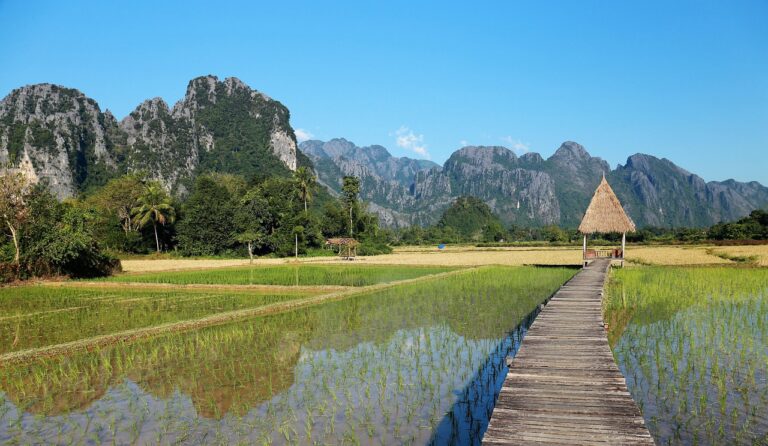

Cities in Laos
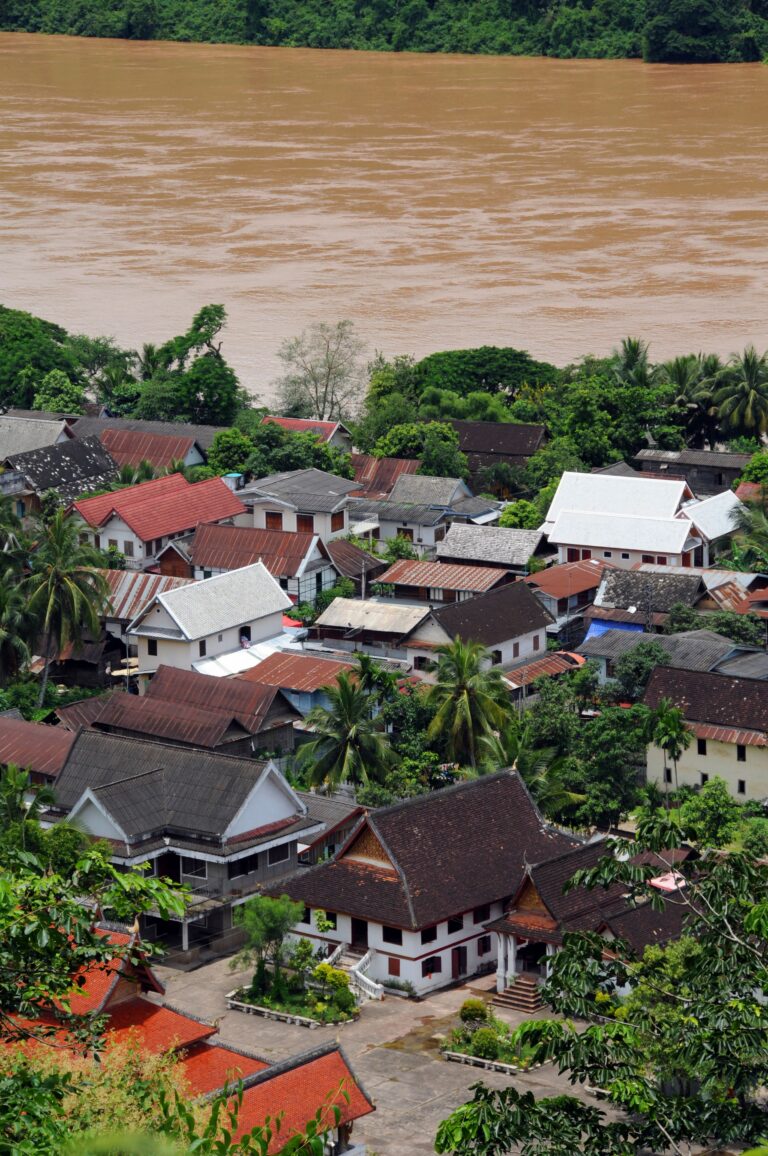

About NomadRoute
NomadRoute helps travelers discover destinations, compare flight options, and find competitive fares from trusted airlines and travel providers worldwide. We do not sell airline tickets directly. Instead, we connect travelers with leading booking partners.
Discover More Destinations
Find low fares from trusted travel providers.
Compare options and book directly with partners.
Explore destinations and routes worldwide.
Photo · Jakub Hałun · Wikimedia Commons · CC BY-SA 4.0