
Travel Guide to Mount Nimba
Mount Nimba, straddling the border between Guinea and Côte d'Ivoire, is a UNESCO World Heritage site celebrated for its unique ecosystems and striking scenery. This mountain range is home to a variety of endemic species, making it a paradise for nature lovers and biodiversity enthusiasts. Visitors can expect to explore lush forests, dramatic cliffs, and panoramic views that showcase the beauty of West Africa.
The area is not only significant for its natural beauty but also for its cultural heritage. Local communities have lived in harmony with the mountain's resources for generations, and their traditions add to the rich tapestry of the region. Hiking trails offer opportunities for adventure, with routes that cater to different skill levels, allowing everyone to experience the majestic landscapes.
Continue reading the travel guide
Travel Guide to Mount Nimba
When planning a visit, it's essential to consider the accessibility of the area, as well as the best times for trekking and wildlife observation. The mountain is best enjoyed during the dry season when the weather is more favorable for outdoor activities. Visitors should also be prepared for varying temperatures, especially at higher elevations, and pack accordingly for their adventures in this remarkable environment.
Why Visit?
Mount Nimba is a must-visit for those seeking adventure and natural beauty. Its diverse ecosystems, unique wildlife, and stunning vistas provide an unforgettable experience for hikers and nature enthusiasts alike. Additionally, the cultural richness of the local communities enhances the visit, making it a well-rounded destination for exploration and discovery.
Best Time to Visit
The best time to visit Mount Nimba is during the dry season, from November to April, when the weather is more stable and suitable for outdoor activities. Early mornings or late afternoons are ideal for hiking to avoid the midday heat and to enjoy the breathtaking views.
Ready to go? Plan your Mount Nimba trip → Good to know →
Plan your trip to Mount Nimba
Flights, accommodation and ways to get around — plan the details that matter to you.
Find flights to Mount Nimba
Nearest recommended airport search point: CKY.
See recent flight offersTo Conakry €351From Conakry €381
Recent flight offers
Compare available fares and routes for Mount Nimba.
Flights to Conakry Arrivals · CKY
Cheap Flights to Conakry for Mount Nimba (CKY)
Compare recent fares to Conakry, the suggested airport search point for visiting Mount Nimba. Choose a listed deal or use the search box above to check prices from your airport.
Flights from Mount Nimba Departures · CKY
Cheap Flights from Conakry (CKY)
Compare the latest low fares from Conakry to popular destinations. Prices are updated regularly and may change based on travel dates and availability.
Stay & getting around
Choose a neighbourhood, then decide how you will get from the airport and around the city.
Where to stay Neighbourhoods and accommodation
Where to Stay in Mount Nimba
While there are limited accommodation options directly on Mount Nimba, nearby towns such as Nzérékoré offer various lodging choices, from guesthouses to hotels. Staying in Nzérékoré provides a convenient base for exploring the mountain and its surroundings.
Getting around Airport transfers and local transport

Getting Around Mount Nimba
To reach Mount Nimba, travelers typically fly into Conakry International Airport (CKY) and then take a domestic flight or drive to Nzérékoré. Once in the area, local transportation options include taxis and shared vehicles, which can take you to trailheads and nearby attractions. Hiking is the primary way to explore the mountain itself.
Travel essentials
 Stay connected
 Flight delayed or cancelled?
Popular Activities in Mount Nimba
Good to know about Mount Nimba
Country factsCapital, language and useful details
Quick Facts
Country
Location
Practical Information
Climate
Guinea has a tropical climate characterized by a wet season from May to October and a dry season from November to April. Coastal areas tend to be humid, while inland regions experience a more temperate climate.
Money
The local currency is the Guinean Franc (GNF). Cards are accepted in many places, but carrying some cash can be useful for small purchases, local transport, and rural areas.
Internet & SIM
Mobile coverage is available in urban areas, with several providers offering SIM cards and eSIM options. Wi-Fi is accessible in major hotels and cafes, but may be limited in rural regions.
Electricity
Voltage: 220 / 230 V
Frequency: 50 Hz
Safety
Emergency
112 / 999
Explore more in Guinea
Places to Visit in Guinea
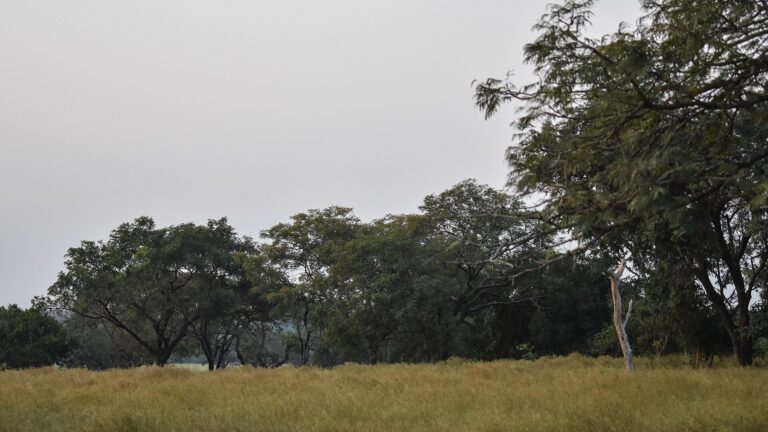
Cities in Guinea
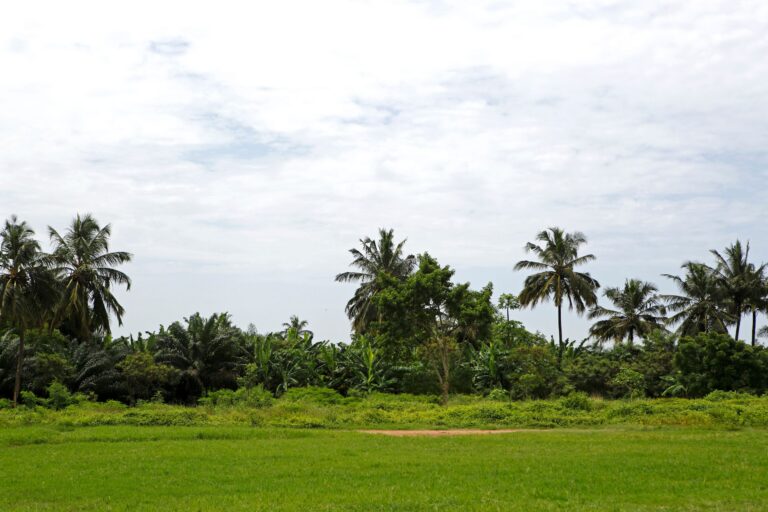
About NomadRoute
NomadRoute helps travelers discover destinations, compare flight options, and find competitive fares from trusted airlines and travel providers worldwide. We do not sell airline tickets directly. Instead, we connect travelers with leading booking partners.
Discover More Destinations
Find low fares from trusted travel providers.
Compare options and book directly with partners.
Explore destinations and routes worldwide.