
Travel Guide to Punakha Dzong
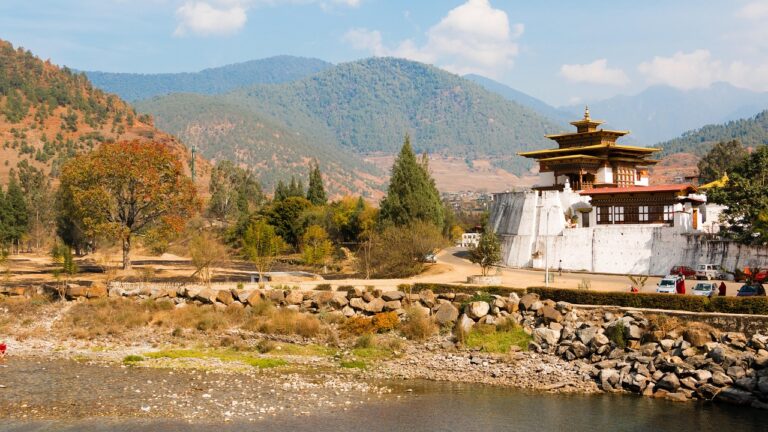
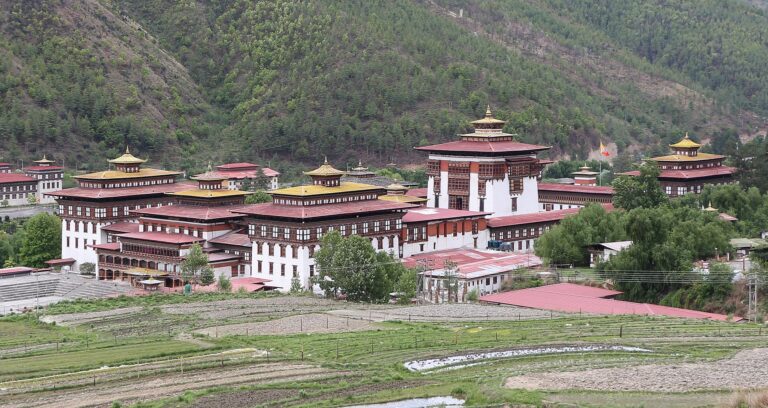
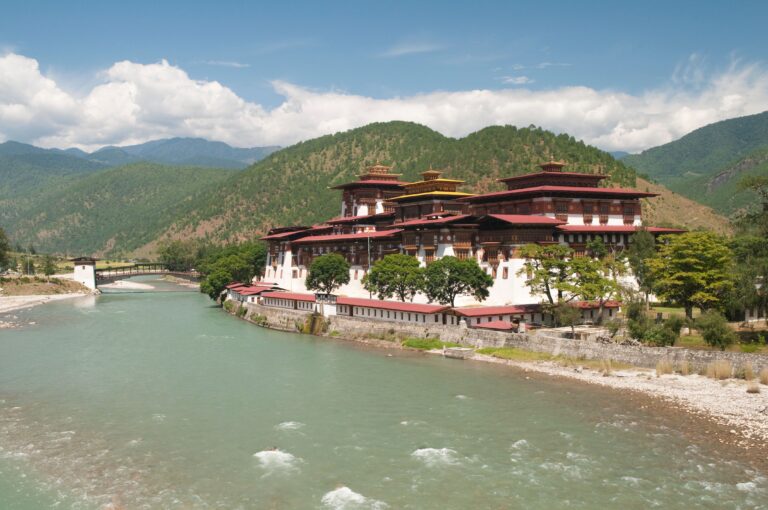
Punakha Dzong, often referred to as the 'Palace of Great Happiness,' is one of Bhutan's most iconic landmarks. Nestled at the confluence of the Pho Chhu and Mo Chhu rivers, this majestic fortress was built in 1637 by Zhabdrung Ngawang Namgyal, the founder of Bhutan. Its striking white and gold architecture, framed by the breathtaking backdrop of the Himalayas, creates a picturesque setting that captivates visitors.
The dzong serves as the administrative center of Punakha District and is also the winter residence of the Je Khenpo, the chief abbot of Bhutan. Inside, you can explore intricately decorated temples and halls, showcasing exquisite murals and traditional Bhutanese craftsmanship. The main temple, which houses a statue of the Buddha, is a highlight for many visitors.
Continue reading the travel guide
Travel Guide to Punakha Dzong
Visitors can expect a serene atmosphere, especially during the early morning hours when the dzong is less crowded. The surrounding gardens and riverbanks offer stunning views and are perfect for leisurely walks. Punakha Dzong is not only a historical site but also a cultural hub, where festivals such as the Punakha Drubchen are celebrated with vibrant displays of traditional dance and music.
When planning your visit, consider the accessibility of Punakha Dzong, which is approximately a 2.5-hour drive from Thimphu, the capital city of Bhutan. The nearest airport is in Paro (PBH), from where you can hire a taxi or join a guided tour to reach this remarkable site.
Why Visit?
Punakha Dzong is a must-visit for its breathtaking architecture, rich history, and serene surroundings. It offers a unique glimpse into Bhutanese culture and spirituality, making it an enriching experience for travelers seeking both beauty and insight.
Best Time to Visit
The best time to visit Punakha Dzong is during the spring (March to May) and autumn (September to November) months when the weather is pleasant and the landscape is vibrant. Early mornings are ideal for fewer crowds and stunning light for photography.
Ready to go? Plan your Punakha Dzong trip → Good to know →
Plan your trip to Punakha Dzong
Flights, accommodation and ways to get around — plan the details that matter to you.
Find flights to Punakha Dzong
Nearest recommended airport search point: PBH.
See recent flight offersTo Paro €401From Paro €497
Recent flight offers
Compare available fares and routes for Punakha Dzong.
Flights to Paro Arrivals · PBH
Cheap Flights to Paro for Punakha Dzong (PBH)
Compare recent fares to Paro, the suggested airport search point for visiting Punakha Dzong. Choose a listed deal or use the search box above to check prices from your airport.
Flights from Punakha Dzong Departures · PBH
Cheap Flights from Paro (PBH)
Compare the latest low fares from Paro to popular destinations. Prices are updated regularly and may change based on travel dates and availability.
Stay & getting around
Choose a neighbourhood, then decide how you will get from the airport and around the city.
Where to stay Neighbourhoods and accommodation
Where to Stay in Punakha Dzong
While there are no accommodations within the dzong itself, visitors can find a range of hotels and guesthouses in the nearby town of Punakha, offering comfortable stays with easy access to the dzong and surrounding attractions.
Getting around Airport transfers and local transport

Getting Around Punakha Dzong
Travelers can reach Punakha Dzong by road from Thimphu, which takes about 2.5 hours. Once in Punakha, walking is the best way to explore the dzong and its surroundings, though taxis and local transport options are available for longer distances.
Travel essentials
 Stay connected
 Flight delayed or cancelled?
Popular Activities in Punakha Dzong
Good to know about Punakha Dzong
Map & DirectionsChoose a map
Open Punakha Dzong in your preferred map app.




Country factsCapital, language and useful details
Quick Facts
Country
Location
Practical Information
Climate
Bhutan has a varied climate that ranges from subtropical in the southern regions to alpine in the north. The country experiences distinct seasons, with warm summers and cold winters, making it important for travelers to consider seasonal variations when planning their visit.
Money
The local currency is BTN - Ngultrum, and the Indian Rupee (INR) is also widely accepted. While cards are accepted in many places, carrying some cash can be useful for small purchases, local transport, and rural areas.
Internet & SIM
Mobile coverage is generally good in urban areas, with several local SIM card options available for purchase. Wi-Fi is accessible in many hotels and cafes, but connectivity may be limited in remote regions.
Electricity
Voltage: 220 / 230 V
Frequency: 50 Hz
Safety
Emergency
112
Explore more in Bhutan
Places to Visit in Bhutan
Cities in Bhutan
About NomadRoute
NomadRoute helps travelers discover destinations, compare flight options, and find competitive fares from trusted airlines and travel providers worldwide. We do not sell airline tickets directly. Instead, we connect travelers with leading booking partners.
Discover More Destinations
Find low fares from trusted travel providers.
Compare options and book directly with partners.
Explore destinations and routes worldwide.