
Travel Guide to Sundarbans Mangrove Forest
The Sundarbans Mangrove Forest, located in the delta of the Padma, Meghna, and Brahmaputra river basins, is the largest mangrove forest in the world and a UNESCO World Heritage site. This vast and intricate ecosystem is home to a rich variety of wildlife, including the famous Bengal tiger, spotted deer, crocodiles, and numerous bird species. Visitors can explore the forest's winding waterways, dense mangroves, and diverse flora, making it a unique destination for nature lovers and adventure seekers alike.
The atmosphere in the Sundarbans is serene yet vibrant, with the sounds of wildlife echoing through the trees and the gentle lapping of water against the boat. Guided boat tours are a popular way to navigate the forest, allowing visitors to witness the stunning landscapes and spot wildlife in their natural habitat. The best experiences include birdwatching, exploring the various islands, and learning about the local communities that depend on the forest for their livelihoods.
Continue reading the travel guide
Travel Guide to Sundarbans Mangrove Forest
When planning a visit, it's essential to consider the best time to go, as the weather can greatly affect accessibility and wildlife sightings. The Sundarbans is not only a natural wonder but also a vital part of Bangladesh's cultural heritage, making it a must-visit destination for those looking to connect with nature and experience the beauty of this unique environment.
Why Visit?
Visiting the Sundarbans Mangrove Forest offers a rare opportunity to experience one of the world's most unique ecosystems, teeming with diverse wildlife and breathtaking landscapes. The chance to see the elusive Bengal tiger in its natural habitat, alongside a variety of other species, makes this destination a paradise for nature enthusiasts and photographers alike.
Best Time to Visit
The best time to visit the Sundarbans is between November and February when the weather is cooler and drier, making wildlife spotting easier. This period also offers pleasant temperatures for exploring the forest and its waterways.
Ready to go? Plan your Sundarbans Mangrove Forest trip → Good to know →
Plan your trip to Sundarbans Mangrove Forest
Flights, accommodation and ways to get around — plan the details that matter to you.
Find flights to Sundarbans Mangrove Forest
Nearest recommended airport search point: DAC.
See recent flight offersTo Dhaka €125From Dhaka €59
Recent flight offers
Compare available fares and routes for Sundarbans Mangrove Forest.
Flights to Dhaka Arrivals · DAC
Cheap Flights to Dhaka for Sundarbans Mangrove Forest (DAC)
Compare recent fares to Dhaka, the suggested airport search point for visiting Sundarbans Mangrove Forest. Choose a listed deal or use the search box above to check prices from your airport.
Flights from Sundarbans Mangrove Forest Departures · DAC
Cheap Flights from Dhaka (DAC)
Compare the latest low fares from Dhaka to popular destinations. Prices are updated regularly and may change based on travel dates and availability.
Stay & getting around
Choose a neighbourhood, then decide how you will get from the airport and around the city.
Where to stay Neighbourhoods and accommodation
Where to Stay in Sundarbans Mangrove Forest
While there are limited accommodation options within the Sundarbans, nearby towns such as Khulna serve as a practical base for visitors. Here, you can find various hotels and guesthouses that cater to different budgets.
Getting around Airport transfers and local transport

Getting Around Sundarbans Mangrove Forest
To reach the Sundarbans, travelers typically fly into Hazrat Shahjalal International Airport (DAC) in Dhaka and then take a domestic flight or train to Khulna. From Khulna, boat tours are the primary means of exploring the mangrove forest, allowing visitors to navigate its intricate waterways.
Travel essentials
 Stay connected
 Flight delayed or cancelled?
Popular Activities in Sundarbans Mangrove Forest
Good to know about Sundarbans Mangrove Forest
Country factsCapital, language and useful details
Quick Facts
Country
Location
Practical Information
Climate
Bangladesh has a tropical monsoon climate, characterized by high temperatures and heavy rainfall during the monsoon season from June to October. The cooler months from November to February are more pleasant for travel, with lower humidity and comfortable temperatures.
Money
The local currency is BDT - Taka. Cards are accepted in many urban areas, but carrying cash is advisable for small purchases, local transport, and in rural areas where card facilities may be limited.
Internet & SIM
Mobile coverage is generally good in urban areas, with several providers offering SIM and eSIM options for tourists. Wi-Fi is available in many hotels and cafes, but connectivity may be limited in rural regions.
Electricity
Voltage: 220 V
Frequency: 50 Hz
Safety
Emergency
999
Explore more in Bangladesh
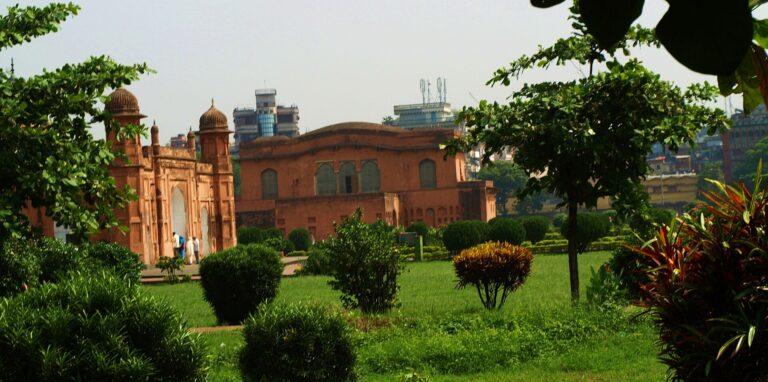
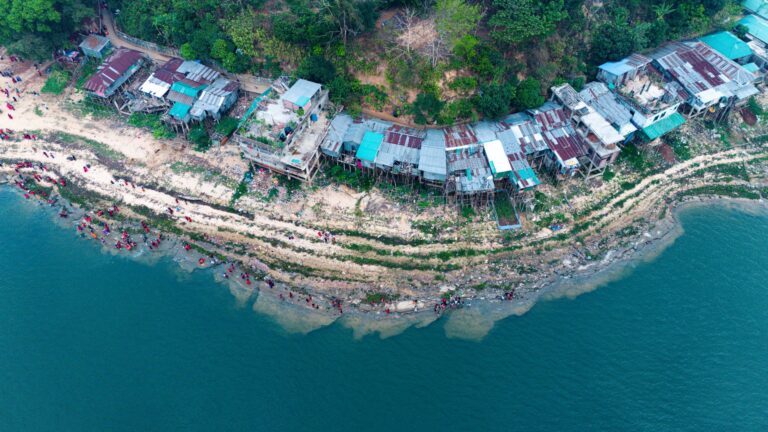
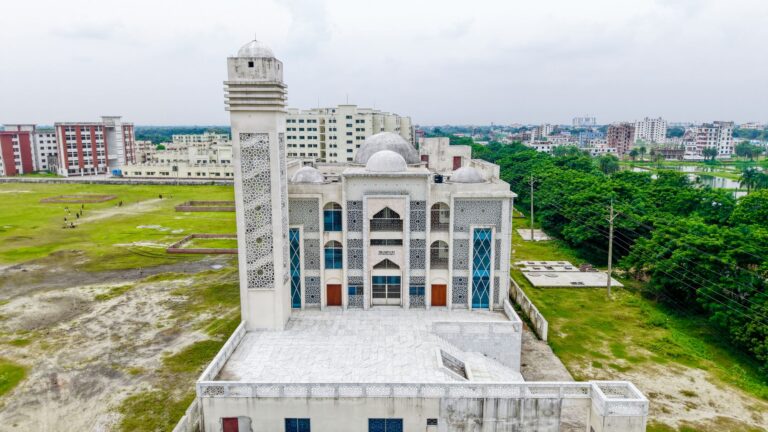
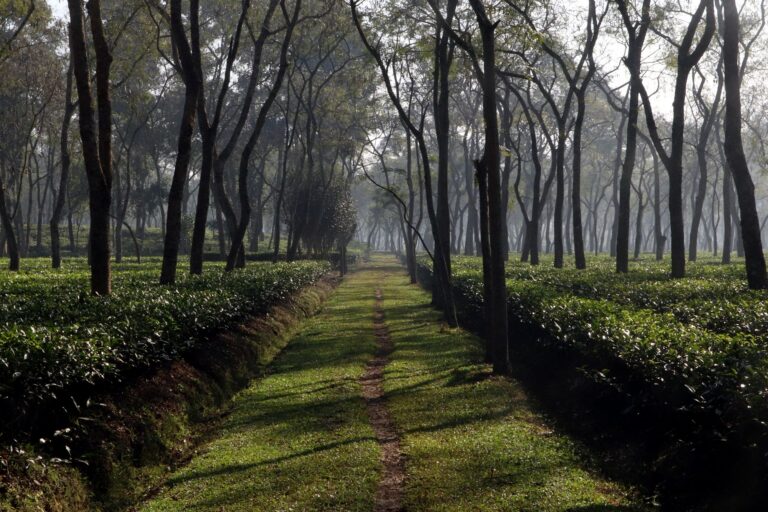
Places to Visit in Bangladesh

Cities in Bangladesh
About NomadRoute
NomadRoute helps travelers discover destinations, compare flight options, and find competitive fares from trusted airlines and travel providers worldwide. We do not sell airline tickets directly. Instead, we connect travelers with leading booking partners.
Discover More Destinations
Find low fares from trusted travel providers.
Compare options and book directly with partners.
Explore destinations and routes worldwide.