
Travel Guide to Poás Volcano
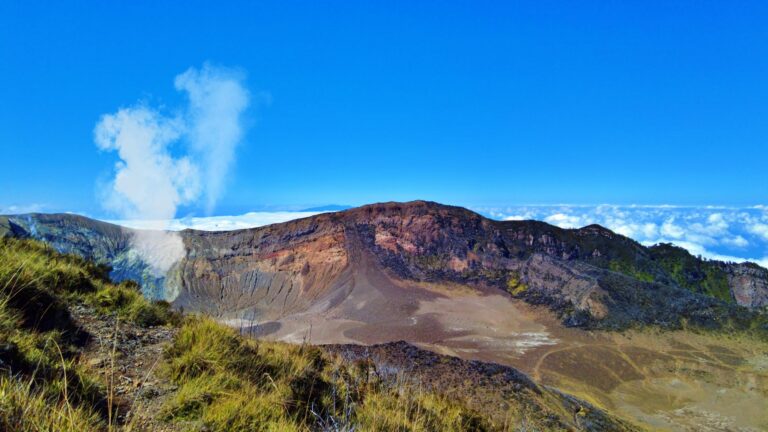
Poás Volcano, located in the Central Valley of Costa Rica, is one of the country's most accessible and popular volcanoes. This impressive stratovolcano features a crater that spans approximately 1.5 kilometers in diameter, with a striking turquoise sulfuric lake at its base, creating a breathtaking sight for visitors. The surrounding area is part of Poás Volcano National Park, which boasts lush cloud forests and diverse wildlife, making it an ideal destination for nature lovers and outdoor enthusiasts.
Visitors to Poás can explore well-maintained trails that lead to various viewpoints, providing stunning panoramas of the volcano and its surroundings. The park is home to a rich variety of flora and fauna, including unique bird species, making it a fantastic spot for birdwatching. The atmosphere is often enveloped in mist, adding a mystical quality to the landscape, especially during the early morning hours.
Continue reading the travel guide
Travel Guide to Poás Volcano
When planning a visit, it's essential to check the volcano's activity status, as access may be restricted during eruptions. The park is conveniently located about an hour's drive from San José, the capital of Costa Rica, making it an easy day trip for travelers. Facilities such as visitor centers and restrooms are available, ensuring a comfortable experience for all visitors.
Why Visit?
Visiting Poás Volcano provides a unique opportunity to witness one of the most active volcanoes in Costa Rica, featuring its stunning crater and vibrant lake. The surrounding national park is rich in biodiversity, offering a perfect backdrop for hiking and exploring the lush cloud forests. It's a must-see for anyone interested in geology, nature, and breathtaking landscapes.
Best Time to Visit
The best time to visit Poás Volcano is during the dry season, from December to April, when the weather is generally clearer, offering better visibility of the crater. Early mornings are ideal for visits, as clouds tend to roll in later in the day, potentially obscuring views.
Ready to go? Plan your Poás Volcano trip → Good to know →
Plan your trip to Poás Volcano
Flights, accommodation and ways to get around — plan the details that matter to you.
Find flights to Poás Volcano
Nearest recommended airport search point: SJO.
See recent flight offersTo San Jose €223From San Jose €146
Recent flight offers
Compare available fares and routes for Poás Volcano.
Flights to San Jose Arrivals · SJO
Cheap Flights to San Jose for Poás Volcano (SJO)
Compare recent fares to San Jose, the suggested airport search point for visiting Poás Volcano. Choose a listed deal or use the search box above to check prices from your airport.
Flights from Poás Volcano Departures · SJO
Cheap Flights from San Jose (SJO)
Compare the latest low fares from San Jose to popular destinations. Prices are updated regularly and may change based on travel dates and availability.
Stay & getting around
Choose a neighbourhood, then decide how you will get from the airport and around the city.
Where to stay Neighbourhoods and accommodation
Where to Stay in Poás Volcano
While there are no accommodations directly within the national park, nearby towns such as Alajuela and La Paz offer various lodging options. Staying in these areas provides easy access to the park and other attractions in the region.
Getting around Airport transfers and local transport

Getting Around Poás Volcano
To reach Poás Volcano, most visitors drive from San José, which is approximately 40 kilometers away. Public transportation options, such as buses, are available but may require transfers. Once at the park, walking trails are the primary means of exploring the area.
Travel essentials
 Stay connected
 Flight delayed or cancelled?
Popular Activities in Poás Volcano
Good to know about Poás Volcano
Map & DirectionsChoose a map
Open Poás Volcano in your preferred map app.




Country factsCapital, language and useful details
Quick Facts
Country
Location
Practical Information
Climate
Costa Rica features a diverse climate influenced by its varied geography. The Pacific coast is generally warm and humid, while the Caribbean side experiences more rainfall throughout the year. The central highlands enjoy a milder, spring-like climate. The dry season from December to April is the most popular time to visit, while the green season from May to November offers lush landscapes and fewer tourists.
Money
The local currency is the Costa Rican colón (CRC). Credit and debit cards are widely accepted in urban areas and tourist spots, but it's advisable to carry some cash for small purchases, local transport, and rural areas where card acceptance may be limited.
Internet & SIM
Costa Rica has good mobile coverage, and visitors can easily purchase SIM cards or eSIMs at the airport or in major cities. Wi-Fi is commonly available in hotels, cafes, and public areas, making it convenient to stay connected during your travels.
Electricity
Voltage: 120 V
Frequency: 60 Hz
Safety
Emergency
911
Explore more in Costa Rica
Places to Visit in Costa Rica



Cities in Costa Rica


About NomadRoute
NomadRoute helps travelers discover destinations, compare flight options, and find competitive fares from trusted airlines and travel providers worldwide. We do not sell airline tickets directly. Instead, we connect travelers with leading booking partners.
Find low fares from trusted travel providers.
Compare options and book directly with partners.
Explore destinations and routes worldwide.