
Travel Guide to Tasmania
Tasmania, located south of the Australian mainland, is a captivating island that offers a blend of breathtaking scenery, diverse ecosystems, and a rich history. The island is renowned for its rugged wilderness, including national parks like Freycinet and Cradle Mountain, which are home to unique flora and fauna. Visitors can explore pristine beaches, dense forests, and dramatic mountains, making it a paradise for nature lovers and outdoor enthusiasts.
Historically, Tasmania has a significant Aboriginal heritage, with the Tasmanian Aboriginal people being the island's first inhabitants. The state's colonial past is also evident in its well-preserved historic sites, such as Port Arthur, a former convict settlement that tells the story of Australia's penal history. Visitors can expect to immerse themselves in both natural beauty and cultural experiences, from art galleries showcasing local talent to festivals celebrating Tasmanian food and wine.
Continue reading the travel guide
Travel Guide to Tasmania
When planning a visit, travelers should consider the island's varied climate, which can change rapidly. Tasmania is accessible via flights from major Australian cities, with Hobart and Launceston being the primary gateways. The island's compact size makes it easy to explore, with many attractions within a few hours' drive of each other.
Why Visit?
Tasmania is a must-visit destination for those seeking unspoiled nature, unique wildlife, and a rich cultural experience. Its diverse landscapes offer endless opportunities for adventure, from hiking and kayaking to exploring historic sites. The island's commitment to sustainability and conservation also makes it a perfect choice for eco-conscious travelers.
Best Time to Visit
The best time to visit Tasmania is during the summer months from December to February when the weather is warm and ideal for outdoor activities. However, spring (September to November) and autumn (March to May) also offer pleasant temperatures and fewer crowds, making them great times for exploring the island's natural beauty.
Ready to go? Plan your Tasmania trip → Good to know →
Plan your trip to Tasmania
Flights, accommodation and ways to get around — plan the details that matter to you.
Find flights to Tasmania
Nearest recommended airport search point: SYD.
See recent flight offersTo Sydney €85From Sydney €77
Recent flight offers
Compare available fares and routes for Tasmania.
Flights to Sydney Arrivals · SYD
Cheap Flights to Sydney for Tasmania (SYD)
Compare recent fares to Sydney, the suggested airport search point for visiting Tasmania. Choose a listed deal or use the search box above to check prices from your airport.
Flights from Tasmania Departures · SYD
Cheap Flights from Sydney (SYD)
Compare the latest low fares from Sydney to popular destinations. Prices are updated regularly and may change based on travel dates and availability.
Stay & getting around
Choose a neighbourhood, then decide how you will get from the airport and around the city.
Where to stay Neighbourhoods and accommodation
Where to Stay in Tasmania
Hobart serves as the best base for exploring Tasmania, offering a range of accommodations from luxury hotels to budget-friendly hostels. Alternatively, Launceston is another excellent option for those looking to explore the northern regions of the island.
Getting around Airport transfers and local transport

Getting Around Tasmania
Travelers can reach Tasmania by flying into Hobart or Launceston airports, with connections available from major Australian cities. Once on the island, renting a car is the most convenient way to explore, as it allows for flexibility in visiting remote attractions. Public transport options are limited, so having a vehicle is recommended for accessing national parks and coastal areas.
Travel essentials
 Stay connected
 Flight delayed or cancelled?
Popular Activities in Tasmania
Good to know about Tasmania
Map & DirectionsChoose a map
Open Tasmania in your preferred map app.




Country factsCapital, language and useful details
Quick Facts
Country
Location
Practical Information
Climate
Australia has a varied climate influenced by its vast size and geography. The northern regions experience a tropical climate, while the southern areas have temperate conditions. Seasonal patterns include a wet season in the north and four distinct seasons in the south.
Money
The local currency is the Australian Dollar (AUD). Cards are widely accepted in urban areas, but it's advisable to carry cash for small purchases, local transport, and in rural areas.
Internet & SIM
Australia has good mobile coverage in urban areas, with various options for purchasing SIM cards or eSIMs available at airports and stores. Wi-Fi is commonly found in hotels, cafes, and public spaces.
Electricity
Voltage: 230 V
Frequency: 50 Hz
Safety
Emergency
000
Explore more in Australia
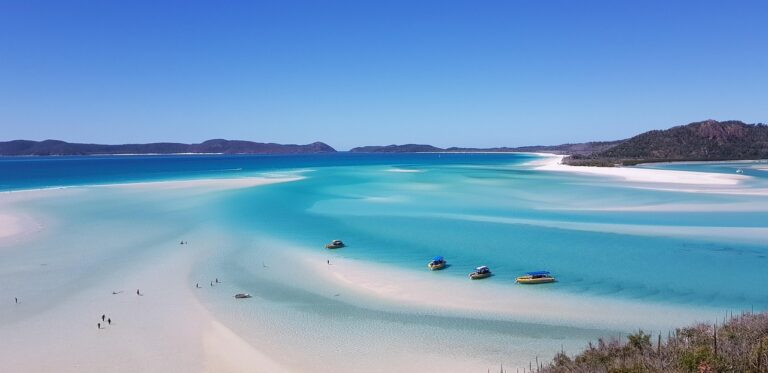
Places to Visit in Australia


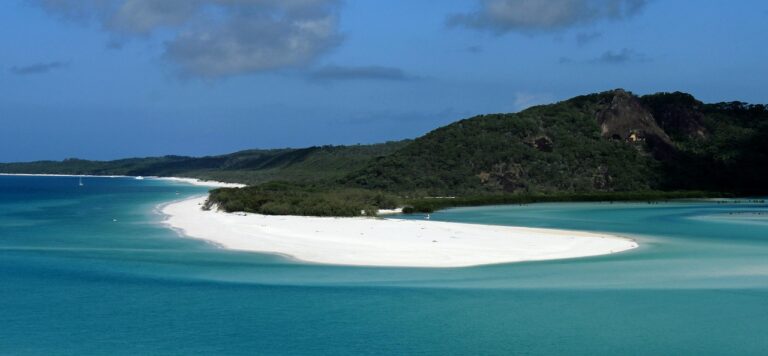
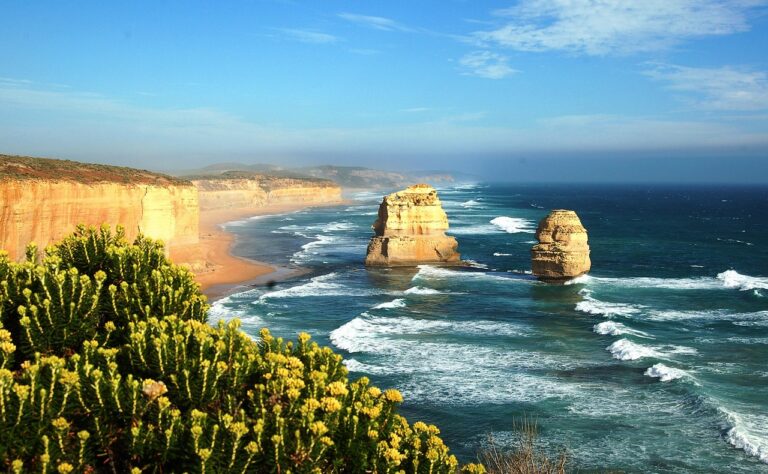


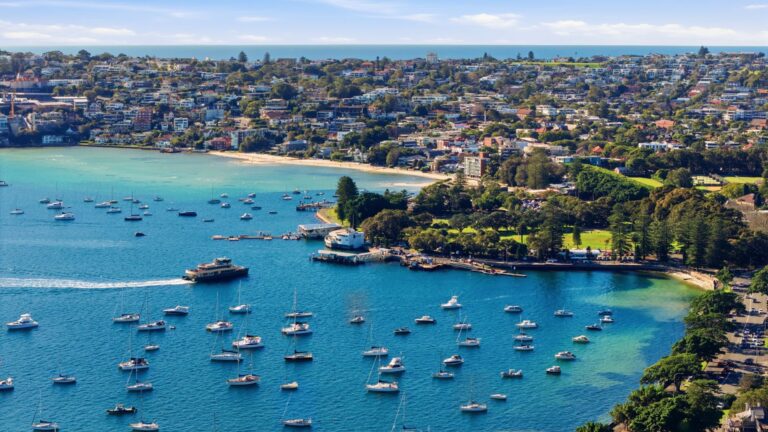



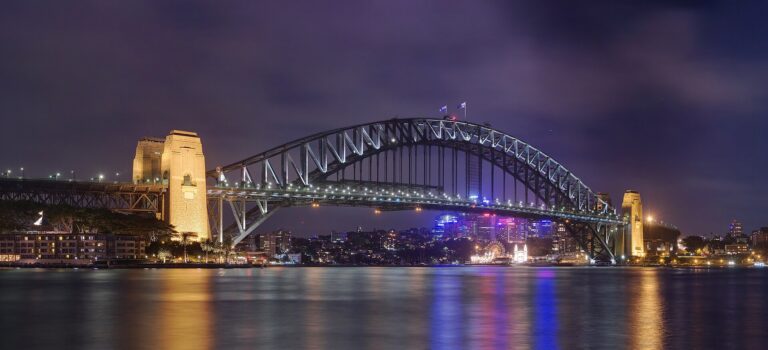
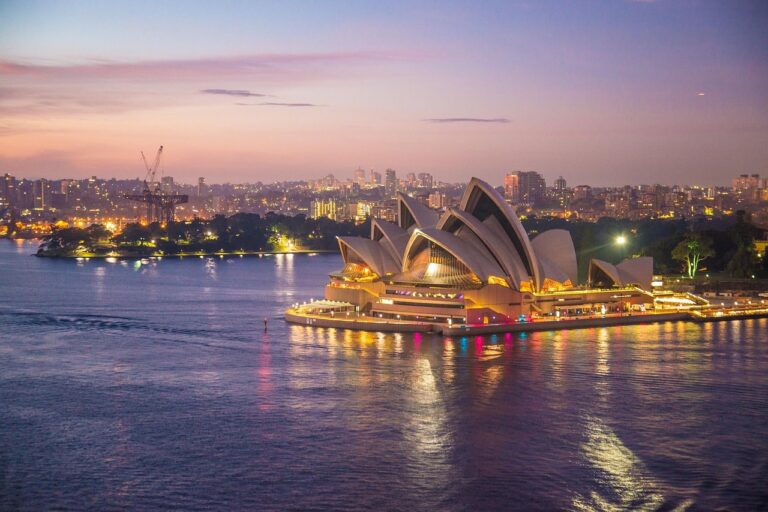

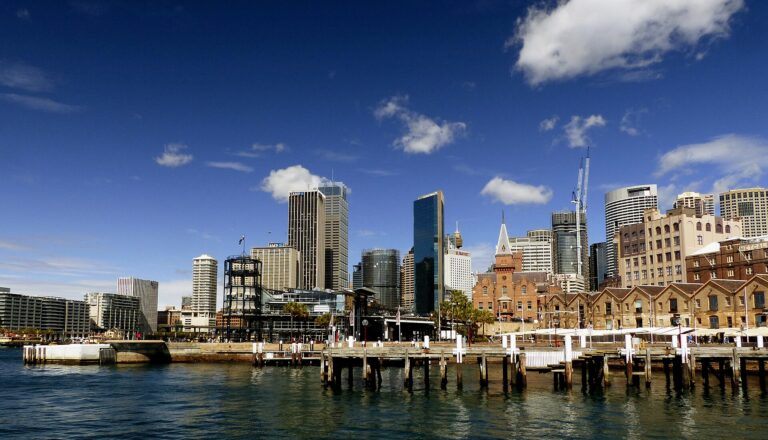
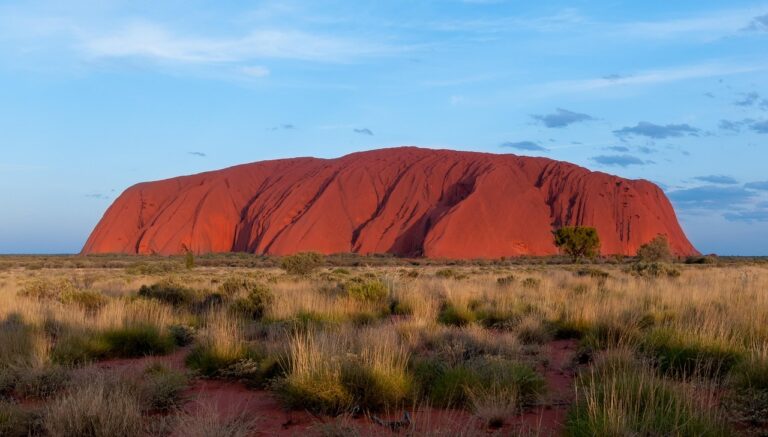
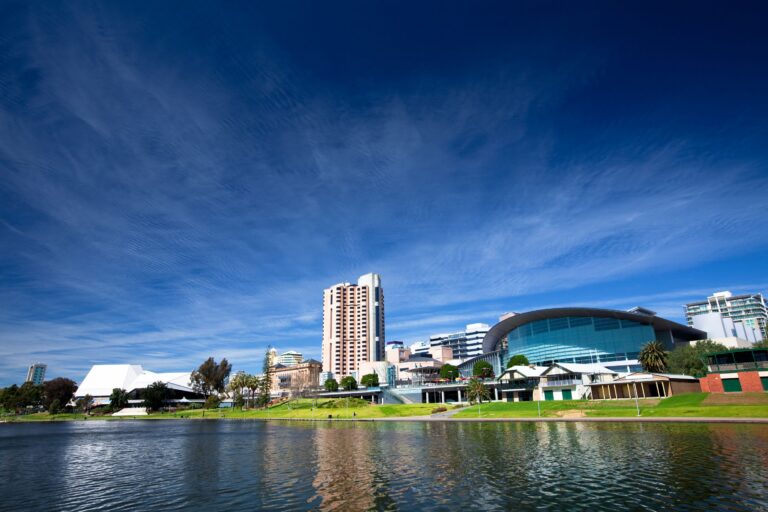
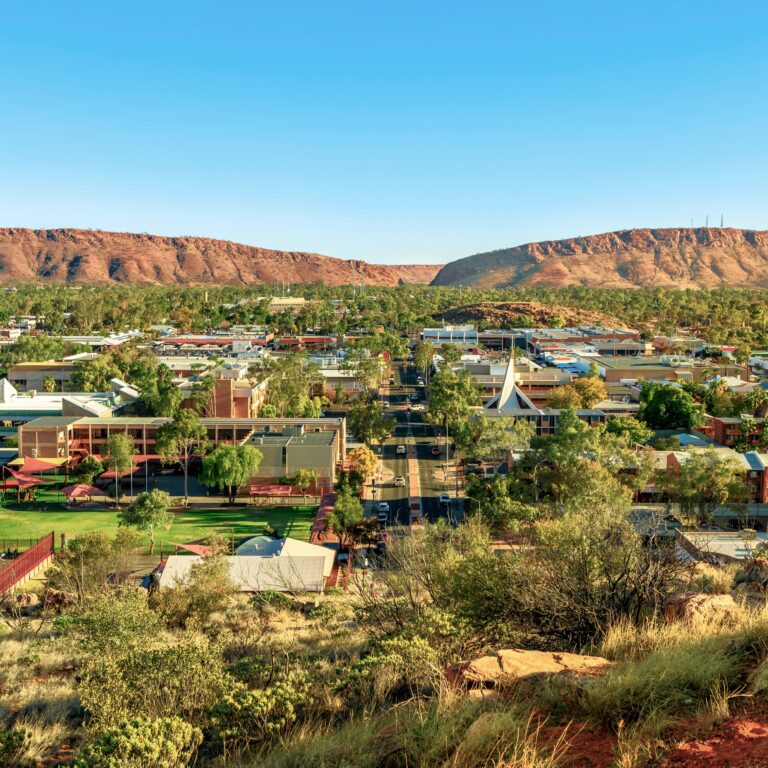
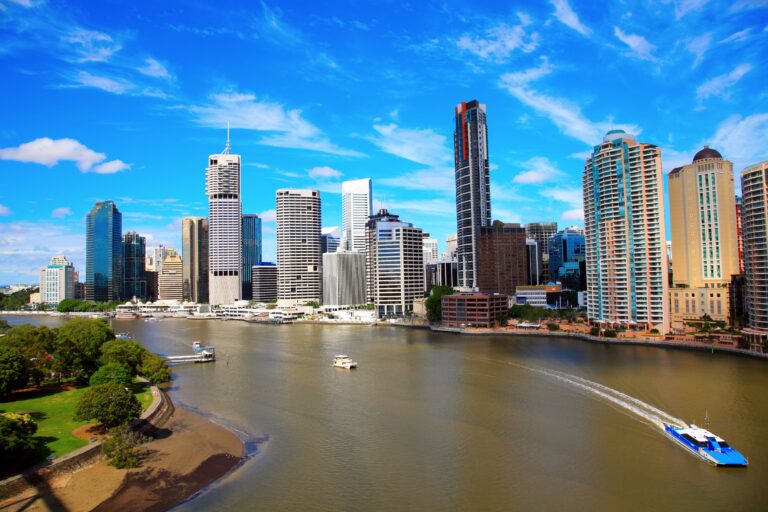
Cities in Australia

About NomadRoute
NomadRoute helps travelers discover destinations, compare flight options, and find competitive fares from trusted airlines and travel providers worldwide. We do not sell airline tickets directly. Instead, we connect travelers with leading booking partners.
Discover More Destinations
Find low fares from trusted travel providers.
Compare options and book directly with partners.
Explore destinations and routes worldwide.