
Travel Guide to Jasper National Park
Jasper National Park, nestled in the heart of the Canadian Rockies, is a UNESCO World Heritage Site that offers visitors a unique blend of natural beauty and outdoor activities. Spanning over 11,000 square kilometers, the park is characterized by its majestic mountains, glacial lakes, and expansive forests. Visitors can expect to encounter a variety of wildlife, including elk, bears, and moose, making it a paradise for nature enthusiasts and photographers alike.
The park's atmosphere is one of tranquility and adventure, with numerous hiking trails, scenic viewpoints, and opportunities for stargazing, as Jasper is recognized as one of the world's largest dark sky preserves. Popular activities include hiking the Maligne Canyon, taking a boat tour on Maligne Lake, and exploring the stunning Icefields Parkway, which offers breathtaking views of glaciers and mountain peaks.
Continue reading the travel guide
Travel Guide to Jasper National Park
For those planning a visit, Jasper National Park is accessible year-round, with each season offering a different experience. Summer is ideal for hiking and wildlife viewing, while winter transforms the park into a snowy wonderland perfect for skiing and snowshoeing. Visitors should be prepared for varying weather conditions and plan their trips accordingly to make the most of their experience in this natural gem.
Why Visit?
Jasper National Park is a must-visit for its unparalleled natural beauty, abundant wildlife, and a wide range of outdoor activities. Whether you're seeking adventure or a peaceful retreat in nature, the park offers something for everyone, from hiking and skiing to stargazing under the clear night sky.
Best Time to Visit
The best time to visit Jasper National Park is during the summer months from June to September when the weather is warm and most trails and attractions are accessible. For winter sports enthusiasts, December to March offers excellent skiing and snowshoeing opportunities.
Ready to go? Plan your Jasper National Park trip → Good to know →
Plan your trip to Jasper National Park
Flights, accommodation and ways to get around — plan the details that matter to you.
Find flights to Jasper National Park
Nearest recommended airport search point: YEG.
See recent flight offersFrom YEG €78
Recent flight offers
Compare available fares and routes for Jasper National Park.
Flights from Jasper National Park Departures · YEG
Cheap Flights from YEG (YEG)
Compare the latest low fares from YEG to popular destinations. Prices are updated regularly and may change based on travel dates and availability.
Stay & getting around
Choose a neighbourhood, then decide how you will get from the airport and around the city.
Where to stay Neighbourhoods and accommodation
Where to Stay in Jasper National Park
The town of Jasper serves as the main hub for visitors, offering a range of accommodations from hotels to cozy lodges. Staying in Jasper provides easy access to the park's attractions and amenities.
Getting around Airport transfers and local transport

Getting Around Jasper National Park
Visitors can reach Jasper National Park via the nearest airport, Edmonton International Airport (YEG), which is about a three-hour drive away. Once in the park, a personal vehicle is the most convenient way to explore, although shuttle services and guided tours are also available for those who prefer not to drive.
Travel essentials
 Stay connected
 Flight delayed or cancelled?
Popular Activities in Jasper National Park
Good to know about Jasper National Park
Map & DirectionsChoose a map
Open Jasper National Park in your preferred map app.




Country factsCapital, language and useful details
Quick Facts
Country
Location
Practical Information
Climate
Canada has a diverse climate that varies significantly across its vast regions. Generally, the country experiences cold winters and warm summers, with coastal areas having milder temperatures. The best time to visit depends on the activities planned, as each season offers unique experiences.
Money
The local currency is the Canadian Dollar (CAD). Credit cards are widely accepted in urban areas, but carrying some cash is advisable for small purchases, local transport, and in rural areas where card acceptance may be limited.
Internet & SIM
Mobile coverage is generally good in urban areas, with various options for purchasing SIM cards or eSIMs available at airports and stores. Wi-Fi is commonly found in hotels, cafes, and public spaces, making it easy to stay connected while traveling.
Electricity
Voltage: 120 V
Frequency: 60 Hz
Safety
Emergency
911
Explore more in Canada
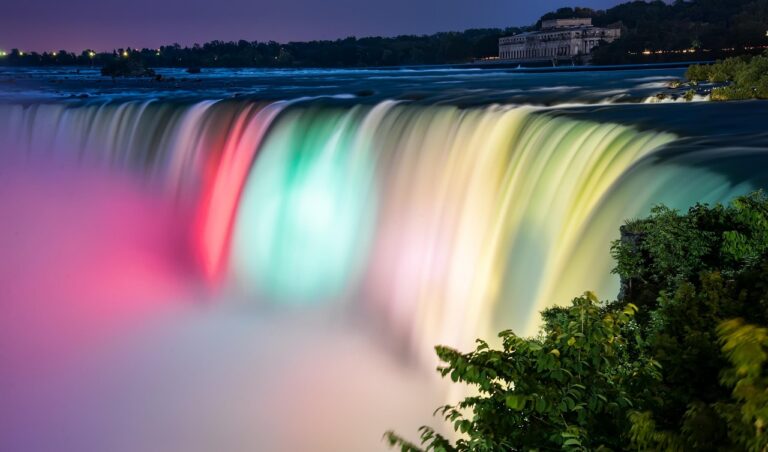
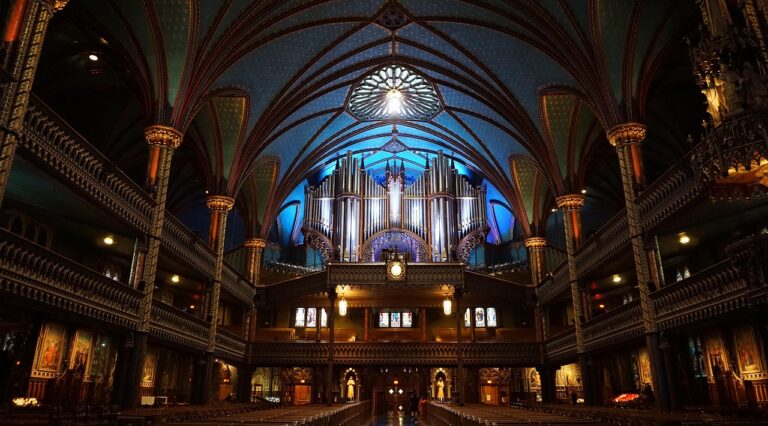
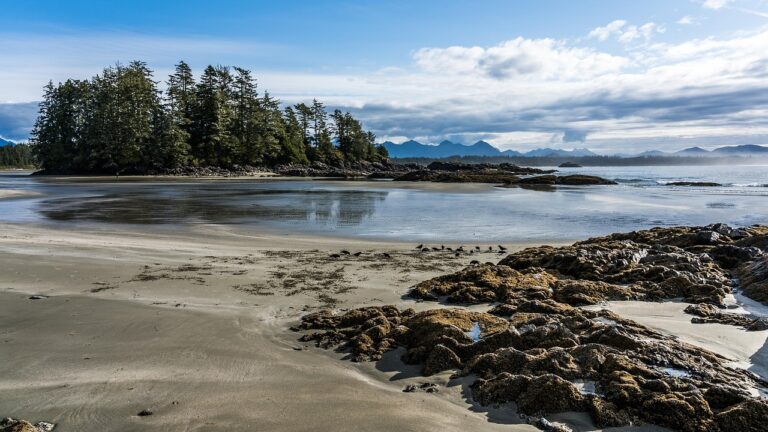
Places to Visit in Canada

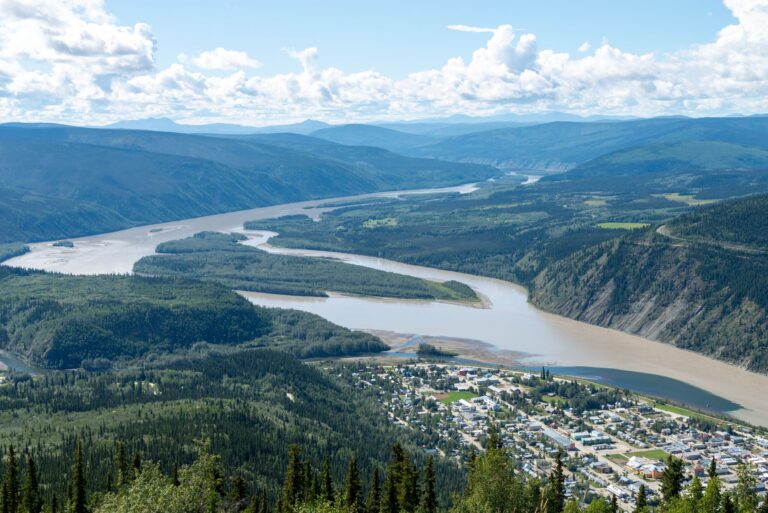

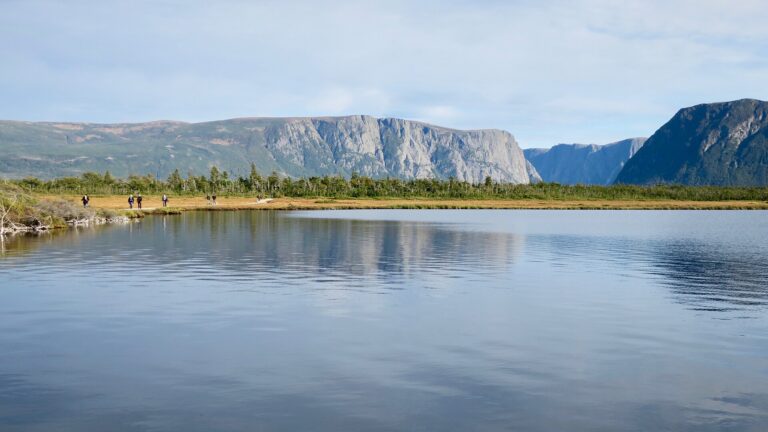
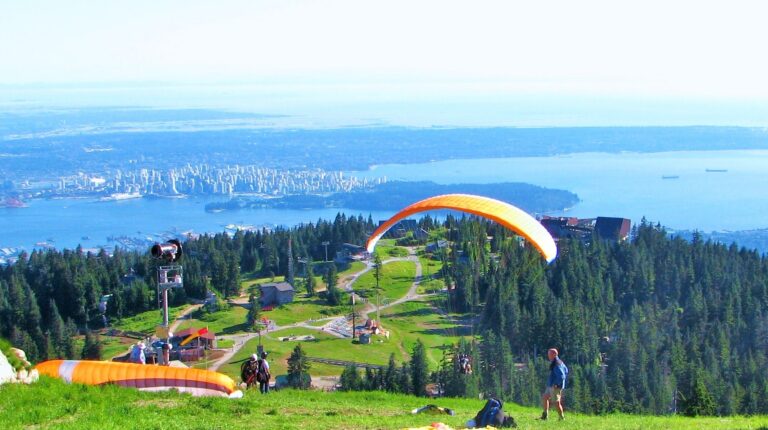

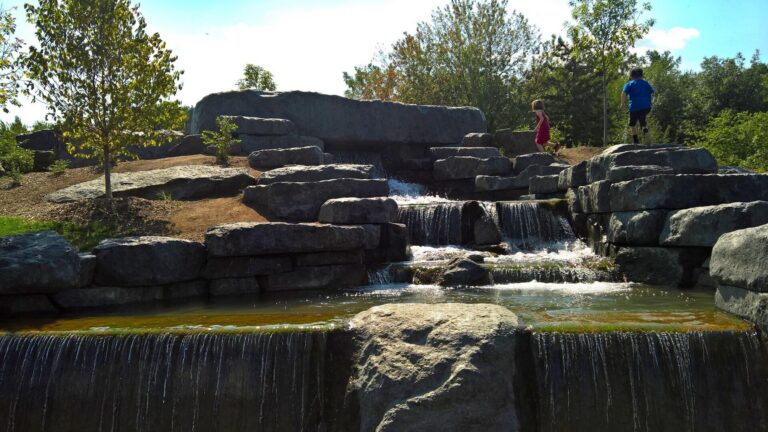







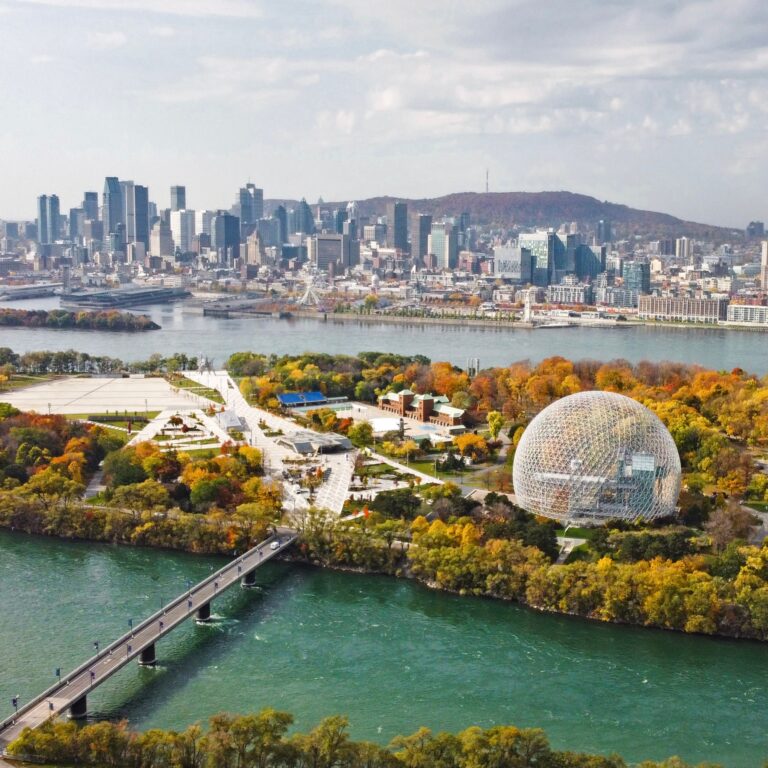
Cities in Canada


About NomadRoute
NomadRoute helps travelers discover destinations, compare flight options, and find competitive fares from trusted airlines and travel providers worldwide. We do not sell airline tickets directly. Instead, we connect travelers with leading booking partners.
Discover More Destinations
Find low fares from trusted travel providers.
Compare options and book directly with partners.
Explore destinations and routes worldwide.