
Travel Guide to Serengeti National Park
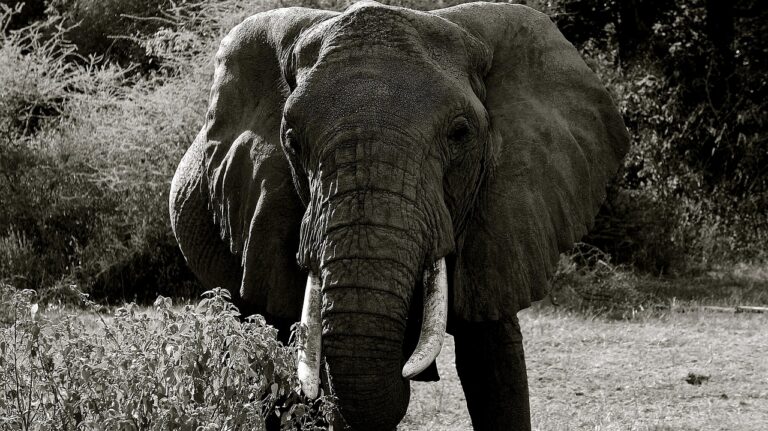
Serengeti National Park, located in Tanzania, is one of Africa's most iconic national parks, celebrated for its vast savannahs and diverse wildlife. Spanning over 14,000 square kilometers, the park is home to an incredible variety of animals, including lions, elephants, zebras, and giraffes. The park's name, derived from the Maasai word 'Siringet,' meaning 'endless plains,' perfectly captures its expansive landscapes that stretch as far as the eye can see.
Visitors to the Serengeti can expect an unforgettable safari experience, particularly during the Great Migration, when millions of wildebeest and zebras traverse the plains in search of greener pastures. This natural spectacle, occurring between June and September, draws wildlife enthusiasts from around the globe. Beyond the migration, the park offers year-round opportunities for wildlife viewing, with each season presenting unique experiences.
Continue reading the travel guide
Travel Guide to Serengeti National Park
The Serengeti's rich cultural history is also noteworthy, as it is home to the Maasai people, who have coexisted with the wildlife for centuries. Engaging with local communities can provide deeper insights into their traditions and the importance of conservation efforts in the region. When planning your visit, consider the best times for wildlife viewing and the various accommodations available, ranging from luxury lodges to budget-friendly campsites, ensuring a memorable stay in this remarkable destination.
Why Visit?
Visiting Serengeti National Park is a once-in-a-lifetime experience, offering unparalleled wildlife encounters and the chance to witness the Great Migration. The park's stunning landscapes and rich biodiversity make it a paradise for nature lovers and photographers alike. Additionally, the opportunity to engage with the Maasai culture adds a unique dimension to your visit, making it not just a trip, but an enriching journey.
Best Time to Visit
The best time to visit Serengeti National Park is during the dry season from June to October, when wildlife congregates around water sources, making it easier to spot animals. The Great Migration peaks between July and September, offering spectacular views of herds crossing rivers. However, the park is beautiful year-round, with each season providing unique wildlife experiences and landscapes.
Ready to go? Plan your Serengeti National Park trip → Good to know →
Plan your trip to Serengeti National Park
Flights, accommodation and ways to get around — plan the details that matter to you.
Find flights to Serengeti National Park
Nearest recommended airport search point: KIL.
See recent flight offers
Recent flight offers
Compare available fares and routes for Serengeti National Park.
Stay & getting around
Choose a neighbourhood, then decide how you will get from the airport and around the city.
Where to stay Neighbourhoods and accommodation
Where to Stay in Serengeti National Park
The nearest major city is Arusha, which serves as a common base for travelers heading to Serengeti National Park. Within the park, there are various accommodation options ranging from luxury lodges to budget-friendly campsites, allowing visitors to choose according to their preferences and budget.
Getting around Airport transfers and local transport

Getting Around Serengeti National Park
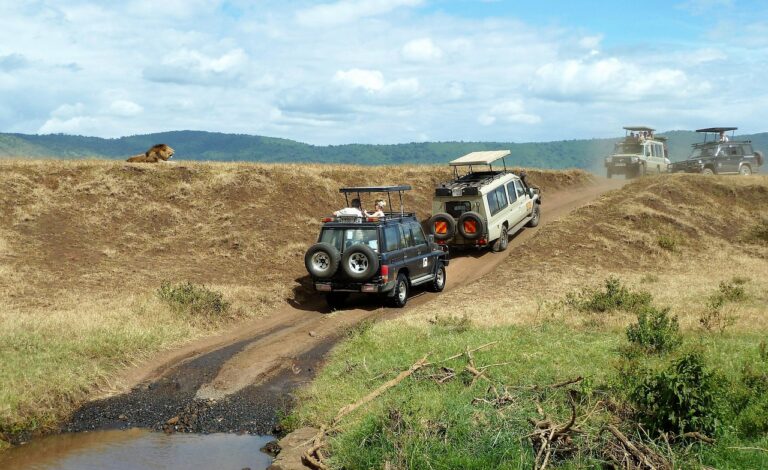
Travelers can reach Serengeti National Park via Kilimanjaro International Airport (KIL), followed by a domestic flight or a long drive to the park. Once inside the park, guided safari vehicles are the best way to explore, providing access to the most popular wildlife viewing areas. Self-driving is also an option for those with experience navigating rough terrain.
Travel essentials
 Stay connected
 Flight delayed or cancelled?
Popular Activities in Serengeti National Park
Good to know about Serengeti National Park
Map & DirectionsChoose a map
Open Serengeti National Park in your preferred map app.




Country factsCapital, language and useful details
Quick Facts
Country
Location
Practical Information
Climate
Tanzania has a diverse climate that varies by region and season. The coastal areas experience a tropical climate, while the interior has a more temperate climate. The dry season, from June to October, is generally the best time for wildlife viewing, while the rainy seasons can impact travel plans.
Money
The local currency is the Tanzanian Shilling (TZS). While credit cards are accepted in many urban areas and tourist spots, it's advisable to carry cash for small purchases, local transport, and in rural areas where card facilities may be limited.
Internet & SIM
Mobile coverage is generally good in urban areas, with various options for purchasing SIM cards or eSIMs available at the airport and local shops. Wi-Fi is commonly found in hotels and cafes, but connectivity may be limited in remote regions.
Electricity
Voltage: 230 V
Frequency: 50 Hz
Safety
Emergency
112 / 999
Explore more in Tanzania
Places to Visit in Tanzania
Cities in Tanzania
About NomadRoute
NomadRoute helps travelers discover destinations, compare flight options, and find competitive fares from trusted airlines and travel providers worldwide. We do not sell airline tickets directly. Instead, we connect travelers with leading booking partners.
Discover More Destinations
Find low fares from trusted travel providers.
Compare options and book directly with partners.
Explore destinations and routes worldwide.