
Travel Guide to Milford Sound
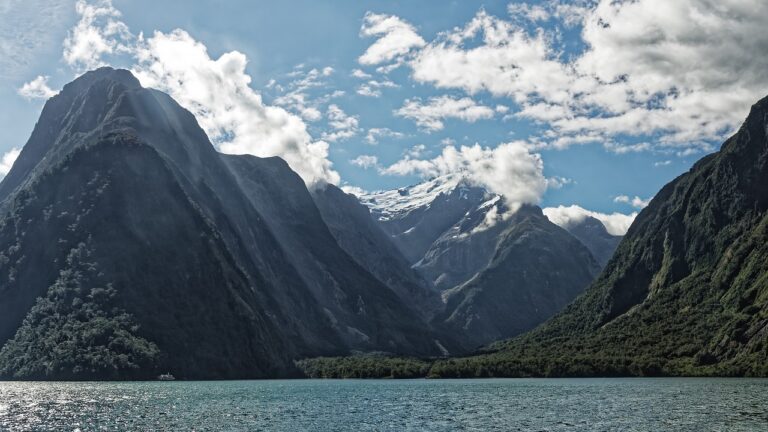
Milford Sound, nestled within the Fiordland National Park of New Zealand, is a breathtaking fjord that captivates visitors from around the world. Its dramatic scenery features steep cliffs that rise abruptly from the water, lush rainforests, and numerous waterfalls that cascade down the rock faces, particularly after rainfall. This natural wonder is home to a diverse array of wildlife, including seals, dolphins, and various bird species, making it a paradise for nature enthusiasts and photographers alike.
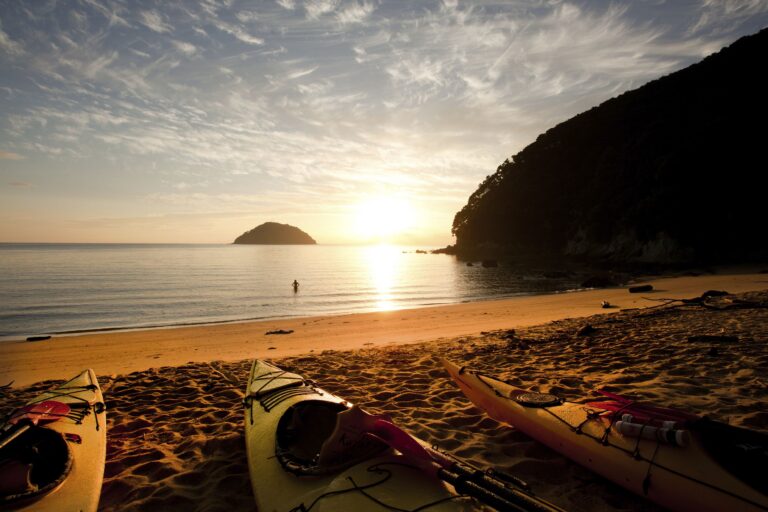
Visitors can immerse themselves in the beauty of Milford Sound through boat cruises, kayaking adventures, or scenic flights, each offering unique perspectives of this stunning landscape. The atmosphere is serene, with the soothing sounds of water and the calls of native birds creating a tranquil backdrop. Additionally, the region is rich in Maori mythology, adding a layer of cultural significance to its natural allure.
Continue reading the travel guide
Travel Guide to Milford Sound
When planning a visit, it's crucial to consider the weather, as conditions can change rapidly. The most common way to reach Milford Sound is by road from Te Anau, which takes approximately two hours. Guided tours are also available, often including transportation and additional experiences. Accommodation options in the area are limited, so booking in advance is advisable if you plan to stay overnight.
Why Visit?
Milford Sound is a must-visit for its unparalleled natural beauty and adventure opportunities. Whether you're cruising through the fjord, kayaking in its tranquil waters, or simply soaking in the stunning views, the experience is unforgettable. The unique wildlife and dramatic landscapes make it a photographer's dream and a perfect escape into nature.
Best Time to Visit
The best time to visit Milford Sound is during the summer months from December to February when the weather is milder and the days are longer. However, winter visits can also be magical, with fewer crowds and the chance to see the fjord blanketed in snow. Regardless of the season, it's wise to check weather conditions before your trip, as rain can enhance the waterfalls but may also affect visibility.
Ready to go? Plan your Milford Sound trip → Good to know →
Plan your trip to Milford Sound
Flights, accommodation and ways to get around — plan the details that matter to you.
Find flights to Milford Sound
Nearest recommended airport search point: TEU.
See recent flight offers
Recent flight offers
Compare available fares and routes for Milford Sound.
Stay & getting around
Choose a neighbourhood, then decide how you will get from the airport and around the city.
Where to stay Neighbourhoods and accommodation
Where to Stay in Milford Sound
The closest town with accommodation options is Te Anau, located about two hours away from Milford Sound. Te Anau offers a range of lodging options, from hotels to motels and campgrounds, making it a convenient base for exploring the fjord.
Getting around Airport transfers and local transport

Getting Around Milford Sound
To reach Milford Sound, most visitors drive from Te Anau, enjoying the scenic route along the Milford Road. Guided tours are also available that include transportation. Once at Milford Sound, boat cruises are the primary means of exploring the fjord, with options for kayaking and scenic flights available as well.
Travel essentials
 Stay connected
 Flight delayed or cancelled?
Popular Activities in Milford Sound
Good to know about Milford Sound
Map & DirectionsChoose a map
Open Milford Sound in your preferred map app.




Country factsCapital, language and useful details
Quick Facts
Country
Location
Practical Information
Climate
New Zealand has a varied climate, characterized by temperate conditions across most regions. The North Island tends to be warmer and more humid, while the South Island experiences cooler temperatures and more rainfall, especially in the west. Seasonal variations can significantly affect travel conditions, so it's advisable to check forecasts before planning your trip.
Money
The local currency is NZD - New Zealand Dollar ($). Cards are widely accepted in urban areas and tourist spots, but it's advisable to carry some cash for small purchases, local transport, and in more rural areas where card facilities may be limited.
Internet & SIM
Mobile coverage is generally good in urban areas, with several providers offering SIM and eSIM options for tourists. Wi-Fi is commonly available in hotels, cafes, and public spaces, making it easy to stay connected while exploring.
Electricity
Voltage: 230 V
Frequency: 50 Hz
Safety
Emergency
111
Explore more in New Zealand
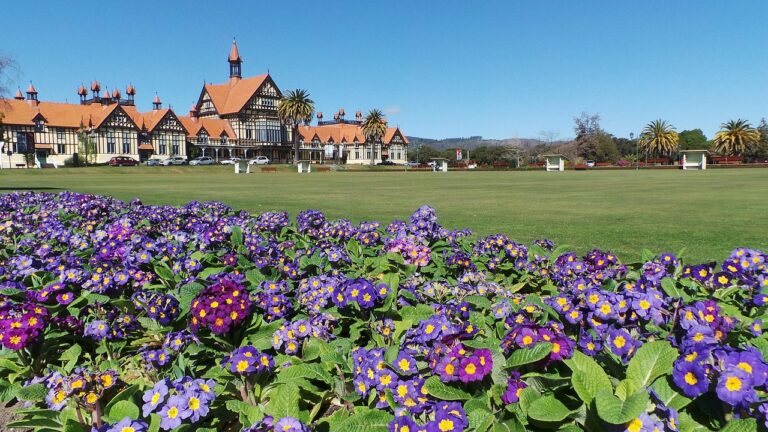
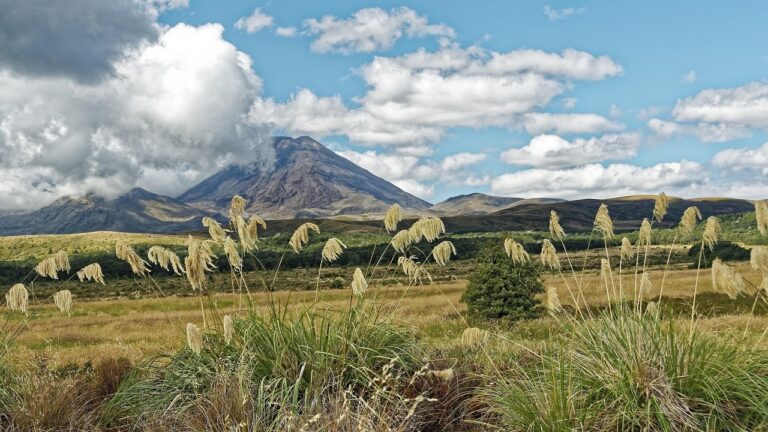
Places to Visit in New Zealand

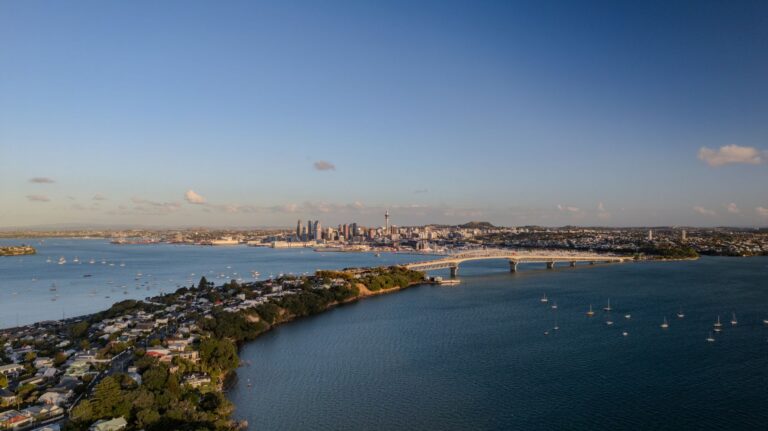
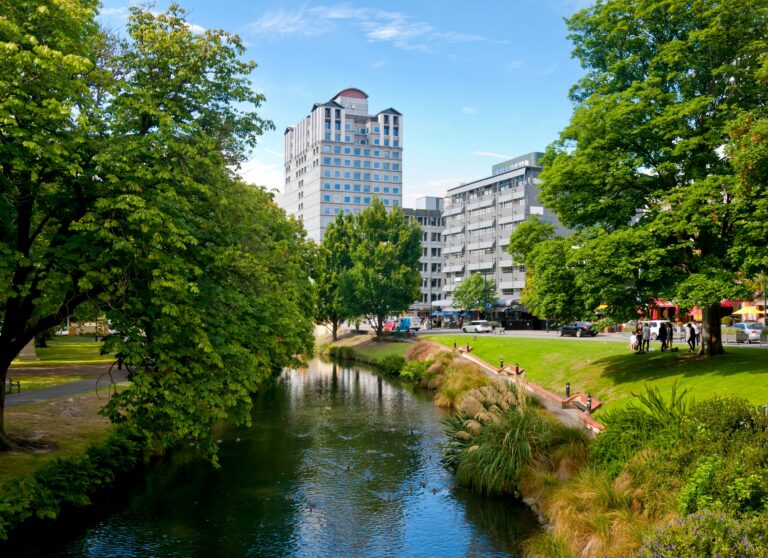
Cities in New Zealand



About NomadRoute
NomadRoute helps travelers discover destinations, compare flight options, and find competitive fares from trusted airlines and travel providers worldwide. We do not sell airline tickets directly. Instead, we connect travelers with leading booking partners.
Discover More Destinations
Find low fares from trusted travel providers.
Compare options and book directly with partners.
Explore destinations and routes worldwide.