
Travel Guide to Masada National Park
Masada National Park, perched atop a dramatic plateau overlooking the Dead Sea, is a remarkable testament to ancient history and natural beauty. This UNESCO World Heritage site is famous for the ruins of King Herod's fortress and the dramatic story of the Jewish Zealots who made their last stand against the Romans in 73 AD. Visitors can explore the well-preserved archaeological remains, including palaces, storerooms, and a synagogue, all while taking in breathtaking views of the surrounding desert and the shimmering waters of the Dead Sea.
The atmosphere at Masada is both serene and awe-inspiring, making it a must-visit for history enthusiasts and nature lovers alike. The park offers several hiking trails, including the Snake Path, which winds its way up the mountain, providing a challenging yet rewarding ascent. Alternatively, a cable car ride offers a more leisurely way to reach the summit, allowing visitors to enjoy the stunning vistas along the way.
Continue reading the travel guide
Travel Guide to Masada National Park
Practical considerations for visiting include the best times to explore the park, which are early morning or late afternoon to avoid the heat of the day. Visitors should also bring plenty of water, wear comfortable shoes, and prepare for a mix of sun and shade as they wander through the historical sites. Masada National Park is not only a place of historical significance but also an opportunity to connect with the natural beauty of Israel's desert landscape.
Why Visit?
Masada National Park is a captivating destination that combines breathtaking views with profound historical significance. The chance to explore the ancient ruins of King Herod's fortress and learn about the dramatic events that unfolded here makes it a compelling visit for history buffs and outdoor enthusiasts alike.
Best Time to Visit
The best time to visit Masada National Park is during the cooler months from October to April. Early morning or late afternoon visits are ideal to avoid the midday heat and enjoy the stunning sunrise or sunset views.
Ready to go? Plan your Masada National Park trip → Good to know →
Plan your trip to Masada National Park
Flights, accommodation and ways to get around — plan the details that matter to you.
Find flights to Masada National Park
Nearest recommended airport search point: TLV.
See recent flight offersFrom Tel Aviv Yafo €52
Recent flight offers
Compare available fares and routes for Masada National Park.
Flights from Masada National Park Departures · TLV
Cheap Flights from Tel Aviv Yafo (TLV)
Compare the latest low fares from Tel Aviv Yafo to popular destinations. Prices are updated regularly and may change based on travel dates and availability.
Stay & getting around
Choose a neighbourhood, then decide how you will get from the airport and around the city.
Where to stay Neighbourhoods and accommodation
Where to Stay in Masada National Park
The nearest major city for accommodation is Ein Bokek, located along the Dead Sea. This area offers a range of hotels and resorts, providing a comfortable base for exploring Masada and the surrounding attractions.
Getting around Airport transfers and local transport

Getting Around Masada National Park
Masada National Park is accessible via car or public transport from major cities like Jerusalem. Once at the park, visitors can explore on foot or take the cable car to the summit. The park's layout is designed for easy navigation, with clear paths leading to key attractions.
Travel essentials
 Stay connected
 Flight delayed or cancelled?
Popular Activities in Masada National Park
Good to know about Masada National Park
Map & DirectionsChoose a map
Open Masada National Park in your preferred map app.




Country factsCapital, language and useful details
Quick Facts
Country
Location
Practical Information
Climate
Israel has a varied climate, characterized by a Mediterranean climate along the coast and desert conditions in the south. Summers are typically hot and dry, while winters can be mild and rainy, particularly in the northern regions. Coastal areas experience moderate temperatures, making them pleasant year-round.
Money
The local currency is the New Israeli Sheqel (ILS - ₪). Credit cards are widely accepted in urban areas, but it's advisable to carry some cash for small purchases, local transport, and rural areas where card acceptance may be limited.
Internet & SIM
Mobile coverage is generally good throughout Israel, with various options for purchasing SIM cards or eSIMs available at the airport and in stores. Wi-Fi is widely accessible in urban areas, hotels, and cafes, making it easy to stay connected during your travels.
Electricity
Voltage: 230 V
Frequency: 50 Hz
Safety
Emergency
100 / 101 / 102
Explore more in Israel
Places to Visit in Israel
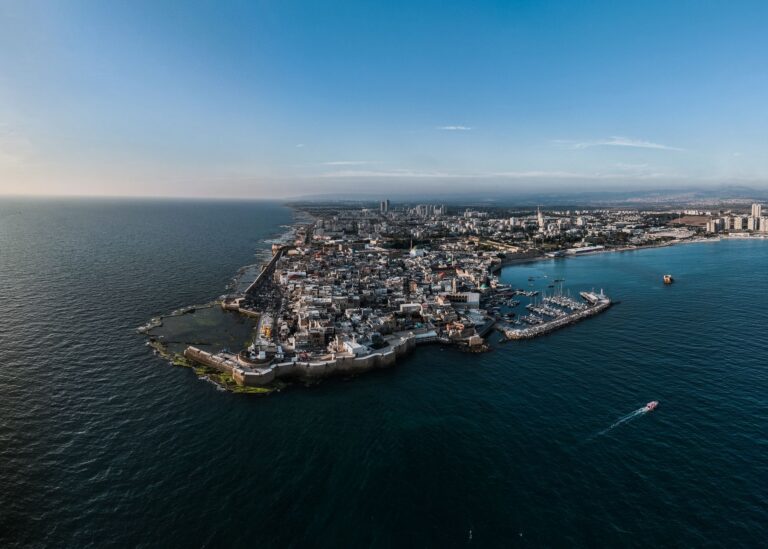
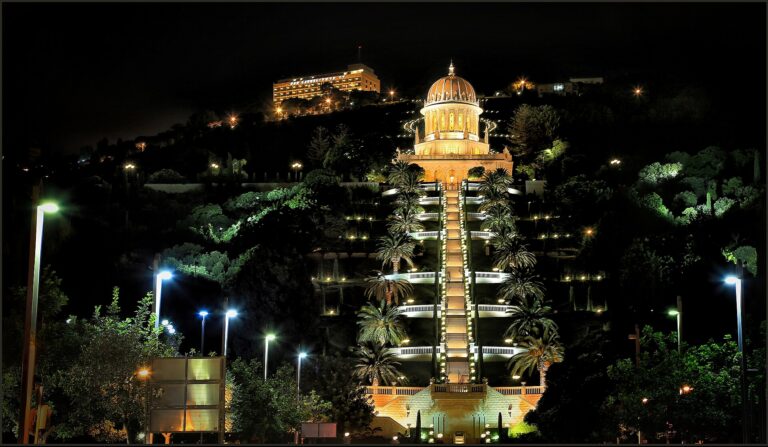
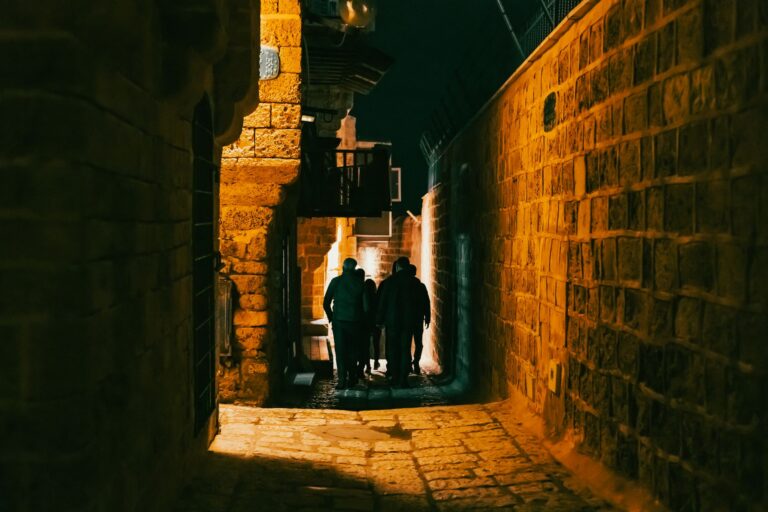
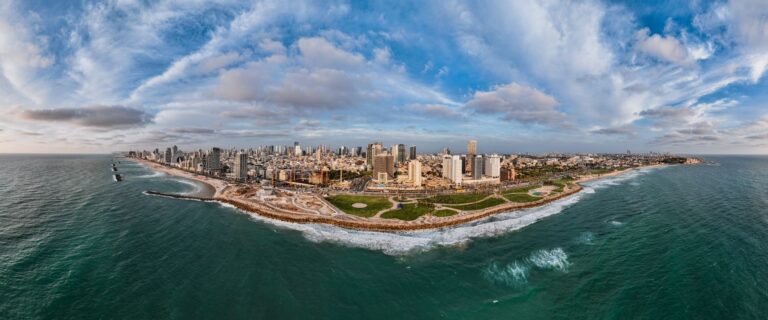
Cities in Israel
About NomadRoute
NomadRoute helps travelers discover destinations, compare flight options, and find competitive fares from trusted airlines and travel providers worldwide. We do not sell airline tickets directly. Instead, we connect travelers with leading booking partners.
Discover More Destinations
Find low fares from trusted travel providers.
Compare options and book directly with partners.
Explore destinations and routes worldwide.