
Travel Guide to Dead Sea
The Dead Sea, one of the world's most fascinating natural wonders, lies at the lowest point on Earth's surface, approximately 430 meters below sea level. This extraordinary salt lake is renowned for its unique mineral-rich waters and therapeutic mud, making it a popular destination for wellness seekers and those looking to experience its buoyant waters. Visitors can float effortlessly on the surface due to the high salt concentration, which is almost ten times saltier than typical ocean water.
Surrounded by stunning desert landscapes and the majestic Judean Mountains, the Dead Sea offers a serene atmosphere that invites relaxation and rejuvenation. The area is steeped in history, with references to the Dead Sea found in ancient texts, including the Bible. Nearby, you can explore historical sites such as the ancient fortress of Masada, which overlooks the sea and offers breathtaking views.
Continue reading the travel guide
Travel Guide to Dead Sea
When planning your visit, expect a variety of resorts and spas that provide access to the Dead Sea's therapeutic mud and mineral baths. Many visitors enjoy indulging in spa treatments that utilize the natural resources of the area. Additionally, the region's warm climate makes it an attractive destination year-round, although the best time to visit is during the cooler months from October to April, when temperatures are more comfortable for outdoor activities.
The Dead Sea is easily accessible from Amman, the capital of Jordan, with the nearest airport being Queen Alia International Airport (AMM). From there, a short drive will take you to various resorts and public beaches along the shoreline. Whether you're looking to relax, explore historical sites, or simply enjoy the unique experience of floating in the Dead Sea, this destination promises an unforgettable adventure.
Why Visit?
Visiting the Dead Sea offers a unique opportunity to experience its buoyant waters, renowned for their therapeutic benefits. The stunning desert scenery and historical significance of the area, including nearby sites like Masada, enhance the appeal for travelers seeking both relaxation and cultural enrichment.
Best Time to Visit
The best time to visit the Dead Sea is from October to April when temperatures are milder, making it more comfortable for outdoor activities and exploration. During the summer months, temperatures can soar, making the heat quite intense for visitors.
Ready to go? Plan your Dead Sea trip → Good to know →
Plan your trip to Dead Sea
Flights, accommodation and ways to get around — plan the details that matter to you.
Find flights to Dead Sea
Nearest recommended airport search point: AMM.
See recent flight offersFrom Amman €143
Recent flight offers
Compare available fares and routes for Dead Sea.
Flights from Dead Sea Departures · AMM
Cheap Flights from Amman (AMM)
Compare the latest low fares from Amman to popular destinations. Prices are updated regularly and may change based on travel dates and availability.
Stay & getting around
Choose a neighbourhood, then decide how you will get from the airport and around the city.
Where to stay Neighbourhoods and accommodation
Where to Stay in Dead Sea
The most practical base for visiting the Dead Sea is the nearby city of Madaba or various resorts located along the shoreline. These accommodations offer easy access to the sea and its amenities, ensuring a comfortable stay.
Getting around Airport transfers and local transport

Getting Around Dead Sea
Travelers can reach the Dead Sea from Amman, which is about a 1-hour drive away. Public transportation options are available, but renting a car or using a taxi is recommended for convenience. Once at the Dead Sea, many resorts provide shuttle services to nearby attractions.
Travel essentials
 Stay connected
 Flight delayed or cancelled?
Popular Activities in Dead Sea
Good to know about Dead Sea
Map & DirectionsChoose a map
Open Dead Sea in your preferred map app.




Country factsCapital, language and useful details
Quick Facts
Country
Location
Practical Information
Climate
Jordan has a diverse climate that varies by region. The north experiences a Mediterranean climate with wet winters and hot, dry summers, while the south is more arid. Seasonal variations can significantly affect travel conditions.
Money
The local currency is the Jordanian Dinar (JOD - د.ا). Cards are accepted in many places, but carrying some cash can be useful for small purchases, local transport, and rural areas.
Internet & SIM
Mobile coverage is generally good in urban areas, and SIM cards can be easily purchased at the airport or local shops. Wi-Fi is available in most hotels and cafes, making it convenient to stay connected.
Electricity
Voltage: 230 V
Frequency: 50 Hz
Safety
Emergency
911
Explore more in Jordan
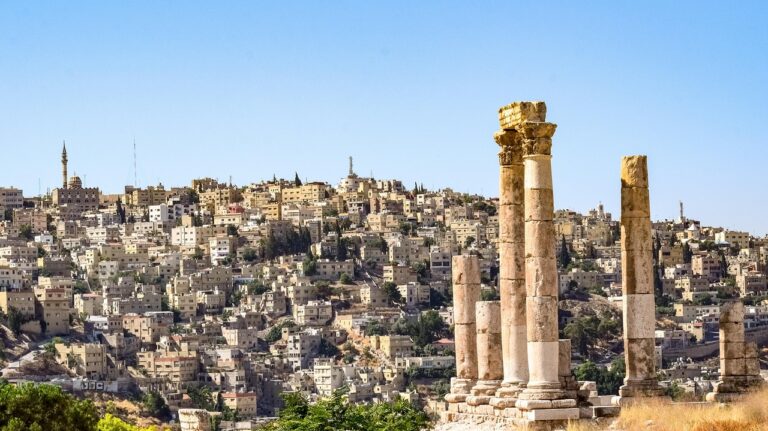
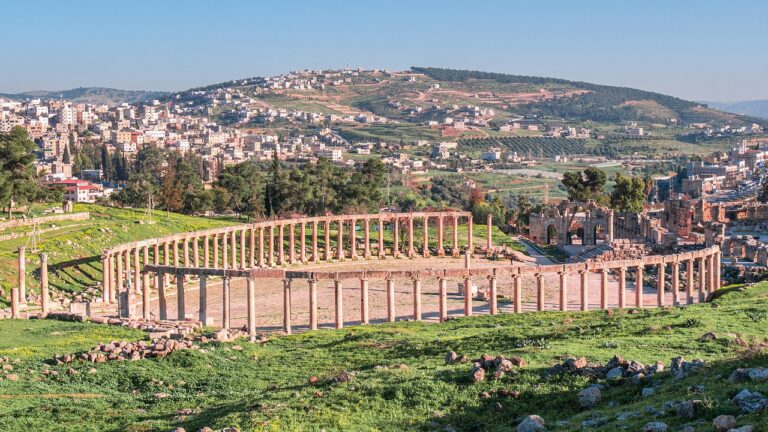
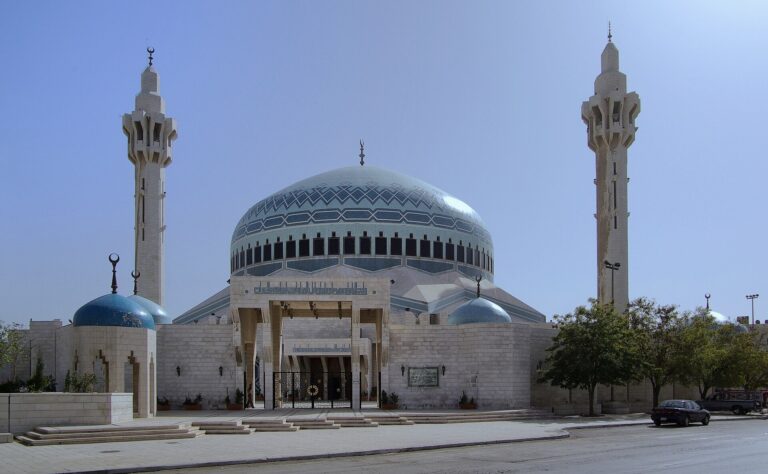
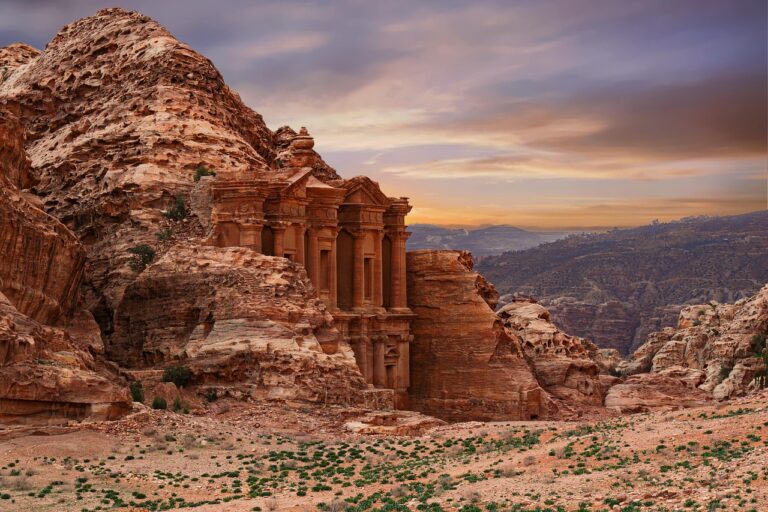
Places to Visit in Jordan
Cities in Jordan
About NomadRoute
NomadRoute helps travelers discover destinations, compare flight options, and find competitive fares from trusted airlines and travel providers worldwide. We do not sell airline tickets directly. Instead, we connect travelers with leading booking partners.
Find low fares from trusted travel providers.
Compare options and book directly with partners.
Explore destinations and routes worldwide.