
Travel Guide to Petra
Petra, often referred to as the 'Rose City' due to the color of the stone from which it is carved, is one of the most famous archaeological sites in the world. Located in southern Jordan, this UNESCO World Heritage Site dates back to the 5th century BC and was once the thriving capital of the Nabataean Kingdom. Visitors to Petra are greeted by the breathtaking sight of Al-Khazneh, or 'The Treasury,' which is a stunning example of Hellenistic architecture. The site is not only significant for its impressive structures but also for its sophisticated water management system, which allowed the Nabataeans to thrive in the arid desert environment.
Exploring Petra is a journey through history, where you can wander through the Siq, a narrow gorge that leads to the main site, and discover numerous tombs, temples, and monuments carved into the rose-red cliffs. The atmosphere is both mystical and awe-inspiring, making it a must-visit for history buffs and adventure seekers alike. Visitors can expect to spend several hours, or even a full day, exploring the vast area, with opportunities for hiking and photography at every turn.
Continue reading the travel guide
Travel Guide to Petra
When planning your visit, consider the best times to explore, as the site can get quite hot during the summer months. Early morning or late afternoon visits are ideal for avoiding the heat and enjoying the stunning light on the rocks. Petra's proximity to the town of Wadi Musa makes it a convenient base for travelers, with various accommodation options available nearby.
Why Visit?
Visiting Petra offers a unique glimpse into the ancient world, showcasing extraordinary architecture and engineering. The site's rich history and stunning landscapes provide an unforgettable experience for travelers seeking both adventure and cultural enrichment.
Best Time to Visit
The best time to visit Petra is during the spring (March to May) and fall (September to November) when temperatures are milder, making it more comfortable for exploring the site. Early mornings or late afternoons are also recommended to avoid the midday heat and enjoy the beautiful lighting for photography.
Ready to go? Plan your Petra trip → Good to know →
Plan your trip to Petra
Flights, accommodation and ways to get around — plan the details that matter to you.
Find flights to Petra
Nearest recommended airport search point: AQJ.
See recent flight offersFrom Aqaba €111
Recent flight offers
Compare available fares and routes for Petra.
Flights from Petra Departures · AQJ
Cheap Flights from Aqaba (AQJ)
Compare the latest low fares from Aqaba to popular destinations. Prices are updated regularly and may change based on travel dates and availability.
Stay & getting around
Choose a neighbourhood, then decide how you will get from the airport and around the city.
Where to stay Neighbourhoods and accommodation
Where to Stay in Petra
The town of Wadi Musa is the most practical base for visiting Petra, offering a range of accommodations from budget hostels to luxury hotels. Staying here provides easy access to the archaeological site and local amenities.
Getting around Airport transfers and local transport

Getting Around Petra
Travelers can reach Petra by flying into King Hussein International Airport (AQJ) and then taking a taxi or shuttle to Wadi Musa. Once at Petra, the site is best explored on foot, with well-marked paths leading to the main attractions. For those seeking a more adventurous experience, horseback or camel rides are available for certain sections of the site.
Travel essentials
 Stay connected
 Flight delayed or cancelled?
Popular Activities in Petra
Good to know about Petra
Map & DirectionsChoose a map
Open Petra in your preferred map app.




Country factsCapital, language and useful details
Quick Facts
Country
Location
Practical Information
Climate
Jordan has a diverse climate that varies by region. The north experiences a Mediterranean climate with wet winters and hot, dry summers, while the south is more arid. Seasonal variations can significantly affect travel conditions.
Money
The local currency is the Jordanian Dinar (JOD - د.ا). Cards are accepted in many places, but carrying some cash can be useful for small purchases, local transport, and rural areas.
Internet & SIM
Mobile coverage is generally good in urban areas, and SIM cards can be easily purchased at the airport or local shops. Wi-Fi is available in most hotels and cafes, making it convenient to stay connected.
Electricity
Voltage: 230 V
Frequency: 50 Hz
Safety
Emergency
911
Explore more in Jordan
Places to Visit in Jordan
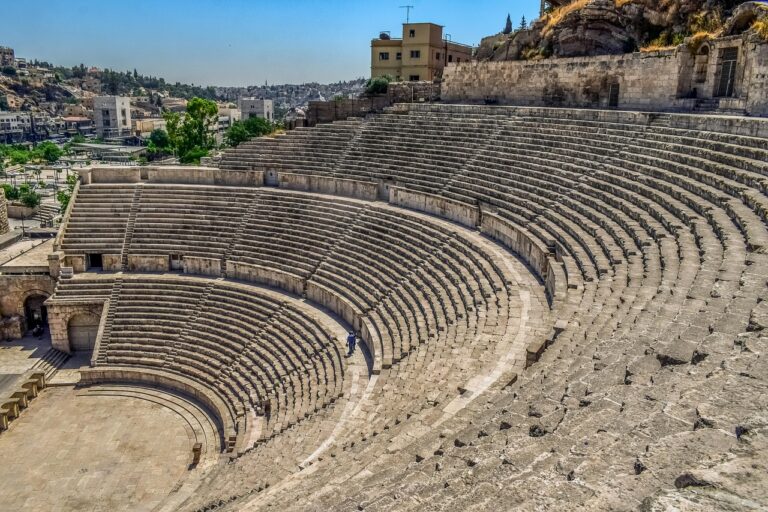
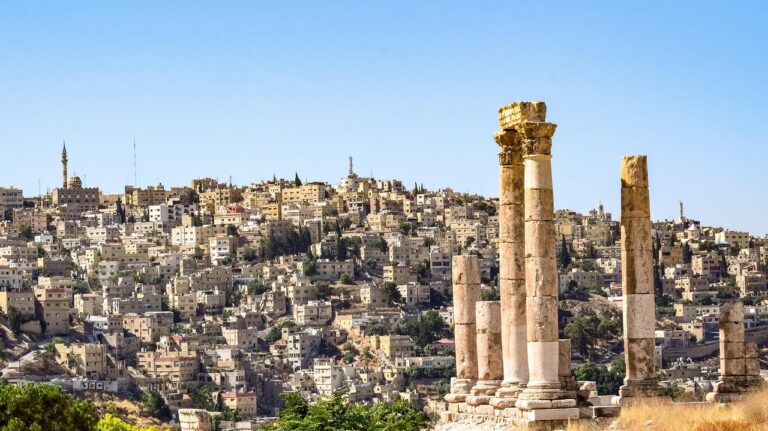
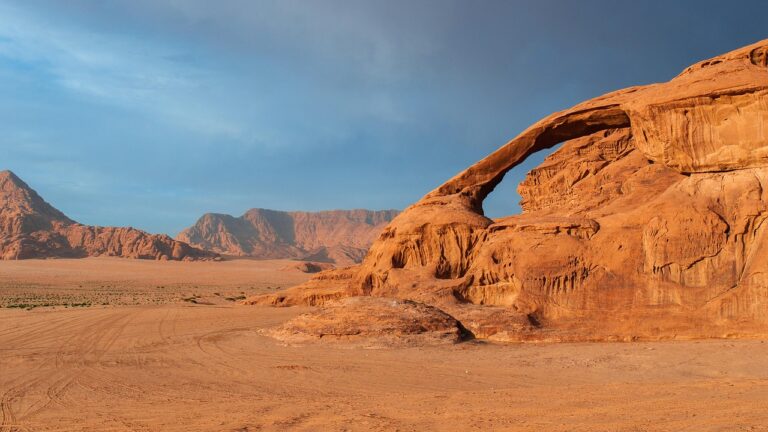
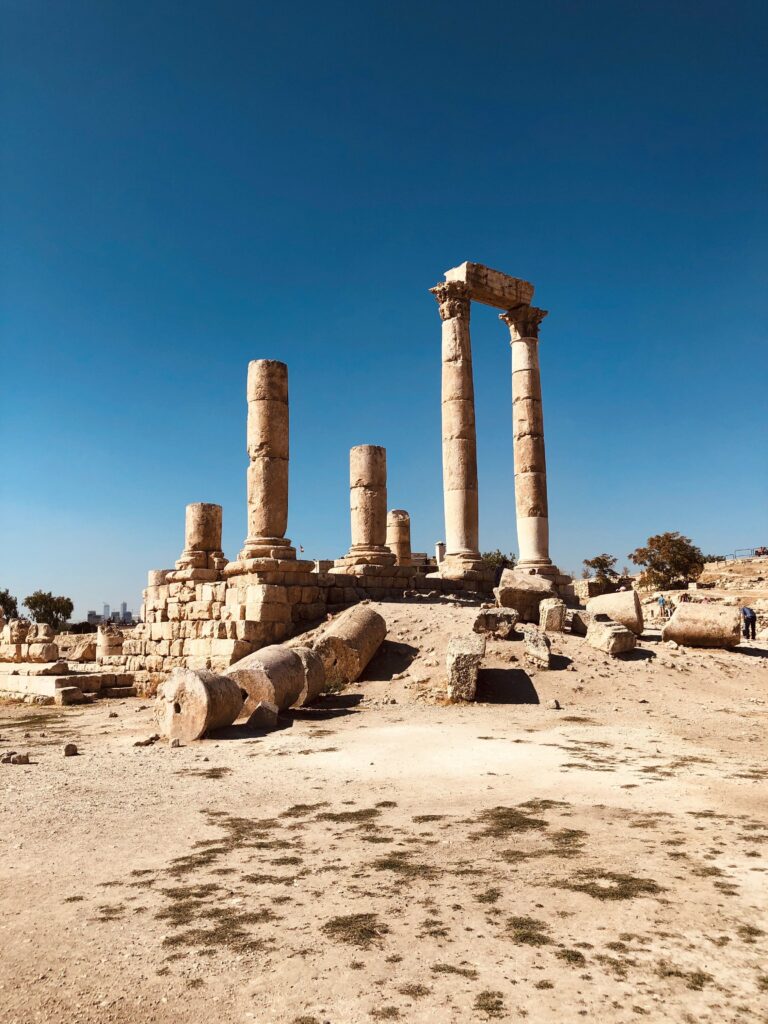
Cities in Jordan
About NomadRoute
NomadRoute helps travelers discover destinations, compare flight options, and find competitive fares from trusted airlines and travel providers worldwide. We do not sell airline tickets directly. Instead, we connect travelers with leading booking partners.
Discover More Destinations
Find low fares from trusted travel providers.
Compare options and book directly with partners.
Explore destinations and routes worldwide.