
Travel Guide to Uluru
Uluru, a UNESCO World Heritage site, stands as one of Australia’s most iconic landmarks. This massive sandstone monolith rises dramatically from the surrounding plains, showcasing a stunning array of colors that change throughout the day, particularly at sunrise and sunset. The rock is sacred to the Anangu people, the traditional custodians of the land, and visitors are encouraged to respect its cultural significance. Walking around the base of Uluru, you can explore ancient rock art and learn about the stories and traditions of the Indigenous people through guided tours.
The area surrounding Uluru is equally captivating, with the nearby Kata Tjuta (The Olgas) offering more opportunities for hiking and exploration. Visitors can expect a range of experiences, from leisurely walks to more challenging hikes, all set against the backdrop of the breathtaking Australian outback. The sounds of nature, the vast starry skies at night, and the unique flora and fauna add to the enchanting atmosphere of this remarkable destination.
Continue reading the travel guide
Travel Guide to Uluru
When planning your visit, consider the practicalities such as the best times to explore, which are generally during the cooler months from April to October. The nearest airport is Ayers Rock Airport (AYQ), making it accessible for travelers looking to experience this natural wonder firsthand.
Why Visit?
Uluru offers a unique blend of natural beauty and cultural significance, making it a must-visit destination for anyone traveling to Australia. The breathtaking sunrises and sunsets, combined with the rich history of the Anangu people, create an unforgettable experience that connects visitors to the heart of Australia’s landscape and heritage.
Best Time to Visit
The best time to visit Uluru is during the cooler months from April to October when temperatures are more comfortable for outdoor activities. Early mornings and late afternoons are ideal for experiencing the stunning light on the rock.
Ready to go? Plan your Uluru trip → Good to know →
Plan your trip to Uluru
Flights, accommodation and ways to get around — plan the details that matter to you.
Find flights to Uluru
Nearest recommended airport search point: AYQ.
See recent flight offersTo Ayers Rock €211From Ayers Rock €307
Recent flight offers
Compare available fares and routes for Uluru.
Flights to Ayers Rock Arrivals · AYQ
Cheap Flights to Ayers Rock for Uluru (AYQ)
Compare recent fares to Ayers Rock, the suggested airport search point for visiting Uluru. Choose a listed deal or use the search box above to check prices from your airport.
Flights from Uluru Departures · AYQ
Cheap Flights from Ayers Rock (AYQ)
Compare the latest low fares from Ayers Rock to popular destinations. Prices are updated regularly and may change based on travel dates and availability.
Stay & getting around
Choose a neighbourhood, then decide how you will get from the airport and around the city.
Where to stay Neighbourhoods and accommodation
Where to Stay in Uluru
The closest accommodation options are located in Yulara, a resort town just a short drive from Uluru. Here, visitors can find a range of options from luxury hotels to budget-friendly lodges.
Getting around Airport transfers and local transport

Getting Around Uluru
Travelers can reach Uluru via direct flights to Ayers Rock Airport (AYQ), followed by a short transfer to the national park. Once there, rental cars and guided tours are available to help visitors explore the area. Walking paths around Uluru are well-maintained, making it easy to navigate on foot.
Travel essentials
 Stay connected
 Flight delayed or cancelled?
Popular Activities in Uluru
Good to know about Uluru
Map & DirectionsChoose a map
Open Uluru in your preferred map app.




Country factsCapital, language and useful details
Quick Facts
Country
Location
Practical Information
Climate
Australia has a varied climate influenced by its vast size and geography. The northern regions experience a tropical climate, while the southern areas have temperate conditions. Seasonal patterns include a wet season in the north and four distinct seasons in the south.
Money
The local currency is the Australian Dollar (AUD). Cards are widely accepted in urban areas, but it's advisable to carry cash for small purchases, local transport, and in rural areas.
Internet & SIM
Australia has good mobile coverage in urban areas, with various options for purchasing SIM cards or eSIMs available at airports and stores. Wi-Fi is commonly found in hotels, cafes, and public spaces.
Electricity
Voltage: 230 V
Frequency: 50 Hz
Safety
Emergency
000
Explore more in Australia
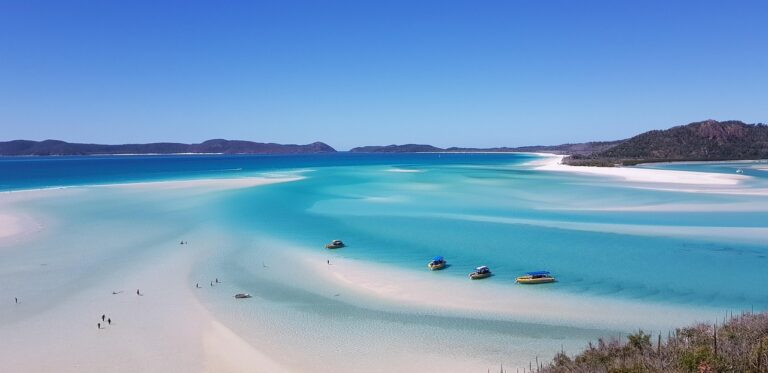
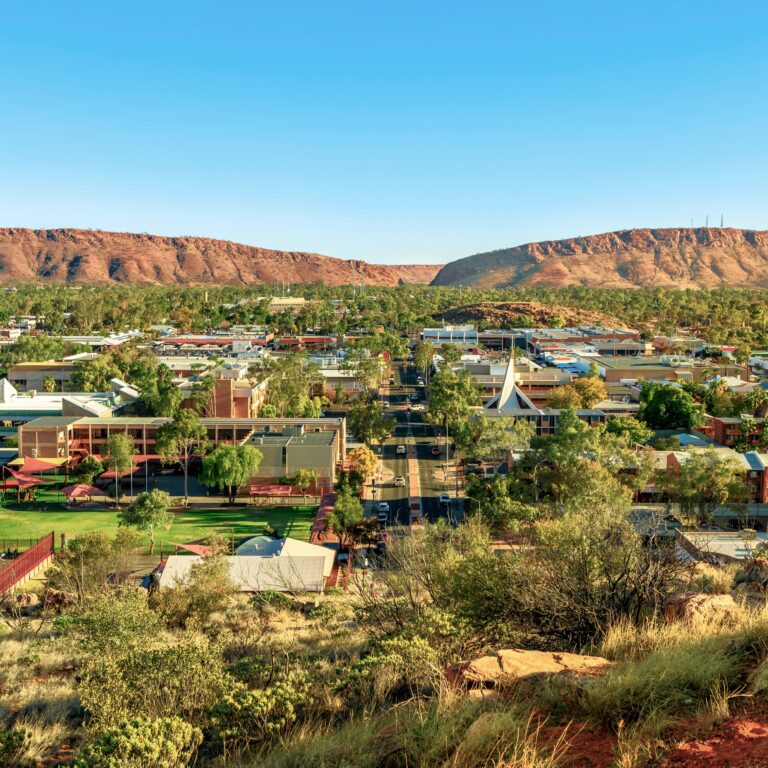
Places to Visit in Australia
























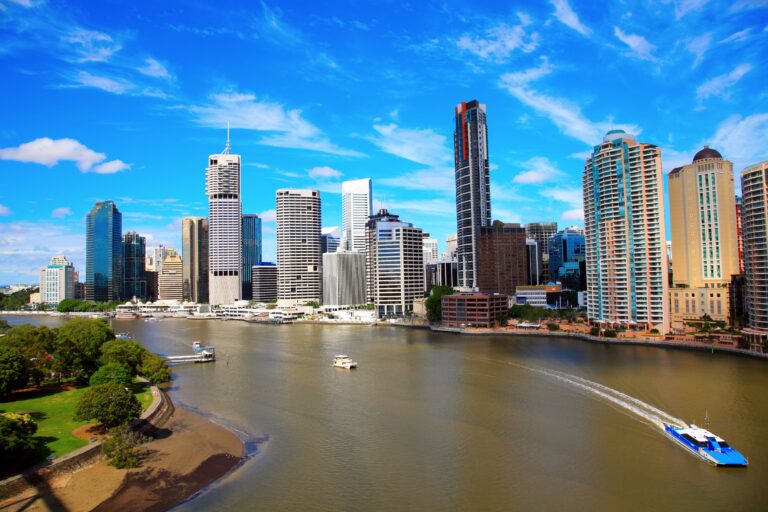
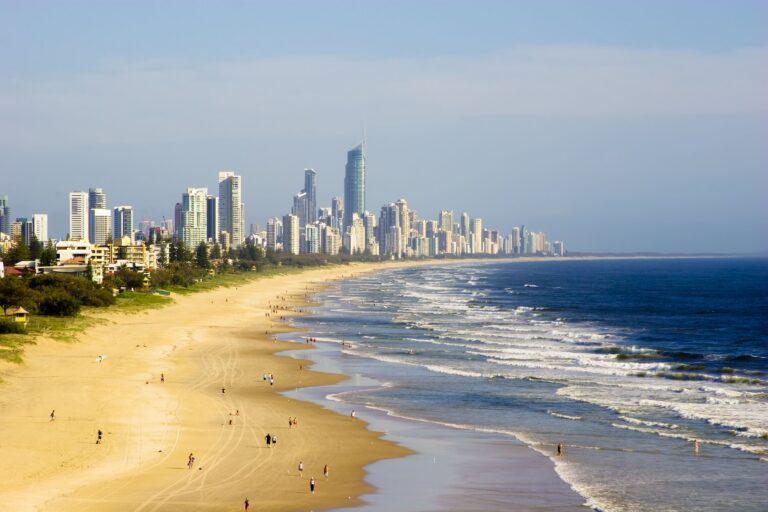
Cities in Australia






About NomadRoute
NomadRoute helps travelers discover destinations, compare flight options, and find competitive fares from trusted airlines and travel providers worldwide. We do not sell airline tickets directly. Instead, we connect travelers with leading booking partners.
Discover More Destinations
Find low fares from trusted travel providers.
Compare options and book directly with partners.
Explore destinations and routes worldwide.