
Travel Guide to Berlin Wall Memorial
The Berlin Wall Memorial stands as a poignant reminder of the division that once split the city of Berlin and its people. Nestled in the heart of Berlin, this memorial stretches along a preserved section of the Berlin Wall, offering visitors a unique glimpse into the past. The site features a visitor center, an exhibition space, and a viewing platform that provides an overview of the wall's history and the stories of those affected by it.
As you stroll along the memorial, you'll encounter informative displays detailing the events leading up to the wall's construction in 1961, its role during the Cold War, and the eventual fall of the wall in 1989. The atmosphere is both reflective and educational, making it a must-visit for anyone interested in understanding the complexities of Berlin's history.
Continue reading the travel guide
Travel Guide to Berlin Wall Memorial
Visitors can expect to spend a few hours exploring the site, with opportunities to engage with multimedia exhibits and guided tours that delve deeper into the personal narratives of those who lived through this tumultuous period. The Berlin Wall Memorial is not just a historical site; it serves as a powerful symbol of hope and reconciliation, reminding us of the importance of freedom and unity.
Practical considerations for your visit include the memorial's accessibility, as it is open year-round and free to enter. However, be sure to check for any special events or guided tours that may enhance your experience. The memorial is conveniently located near public transportation, making it easy to incorporate into your Berlin itinerary.
Why Visit?
Visiting the Berlin Wall Memorial is essential for understanding the profound impact of the Berlin Wall on the city's history and its people. The memorial offers a deeply moving experience, allowing visitors to reflect on themes of division and unity while exploring the rich historical context surrounding this iconic landmark.
Best Time to Visit
The best time to visit the Berlin Wall Memorial is during the spring and fall when the weather is mild, making it comfortable for walking and exploring the outdoor exhibits. Early mornings or late afternoons are ideal for fewer crowds and a more reflective experience.
Ready to go? Plan your Berlin Wall Memorial trip → Good to know →
Plan your trip to Berlin Wall Memorial
Flights, accommodation and ways to get around — plan the details that matter to you.
Find flights to Berlin Wall Memorial
Nearest recommended airport search point: TXL.
See recent flight offers
Recent flight offers
Compare available fares and routes for Berlin Wall Memorial.
Stay & getting around
Choose a neighbourhood, then decide how you will get from the airport and around the city.
Where to stay Neighbourhoods and accommodation
Where to Stay in Berlin Wall Memorial
For convenient access to the Berlin Wall Memorial, consider staying in the Mitte district, which offers a range of accommodation options from budget hostels to upscale hotels. This central location provides easy access to public transportation and other major attractions in Berlin.
Getting around Airport transfers and local transport

Getting Around Berlin Wall Memorial
Reaching the Berlin Wall Memorial is straightforward via public transportation. The nearest U-Bahn station is Bernauer Straße, which is just a short walk from the memorial. Once at the site, walking is the best way to explore the memorial and its surrounding areas, allowing you to fully appreciate the historical significance of the location.
Travel essentials
 Stay connected
 Flight delayed or cancelled?
Popular Activities in Berlin Wall Memorial
Good to know about Berlin Wall Memorial
Map & DirectionsChoose a map
Open Berlin Wall Memorial in your preferred map app.




Country factsCapital, language and useful details
Quick Facts
Country
Location
Practical Information
Climate
Germany has a temperate climate with four distinct seasons. The weather is influenced by both maritime and continental conditions, with rainfall throughout the year. Summers are generally mild to warm, while winters are often cool, especially in the south and in higher mountain areas.
Money
The local currency is the euro (€). Cards are widely accepted in urban areas, but it's advisable to carry some cash for small purchases, local transport, and in rural areas where card acceptance may be limited.
Internet & SIM
Germany has good mobile coverage across most regions. SIM cards and eSIM options are available from various providers, and Wi-Fi is commonly found in hotels, cafes, and public spaces.
Electricity
Voltage: 230 V
Frequency: 50 Hz
Safety
Emergency
112
Explore more in Germany
Places to Visit in Germany

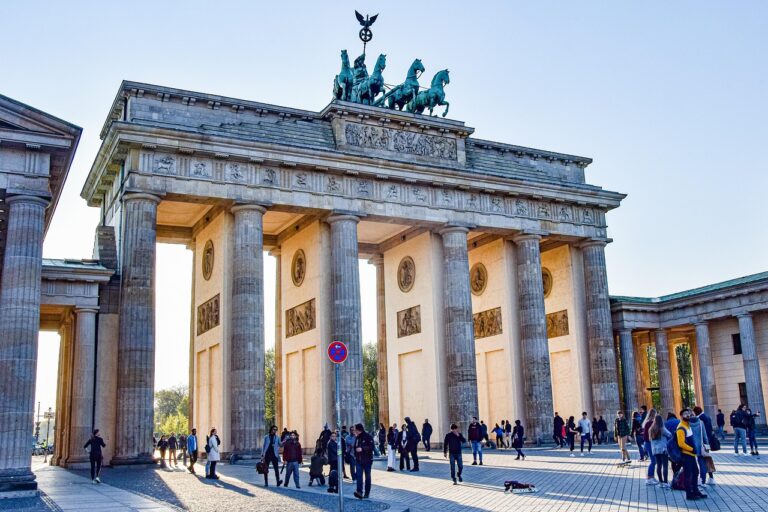
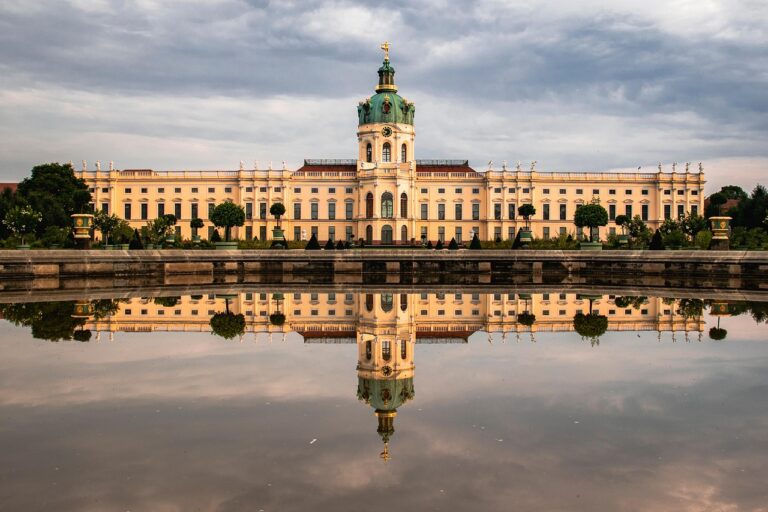
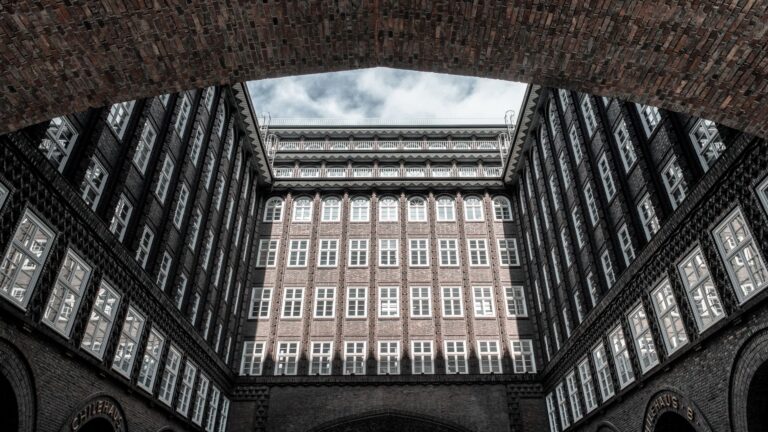
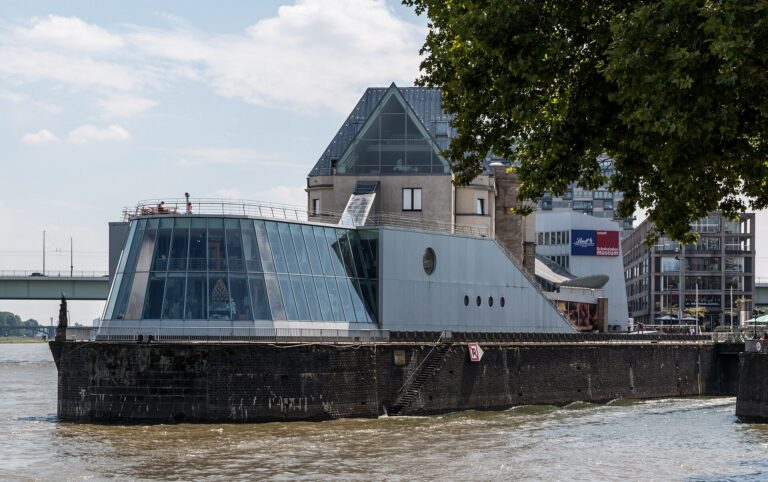


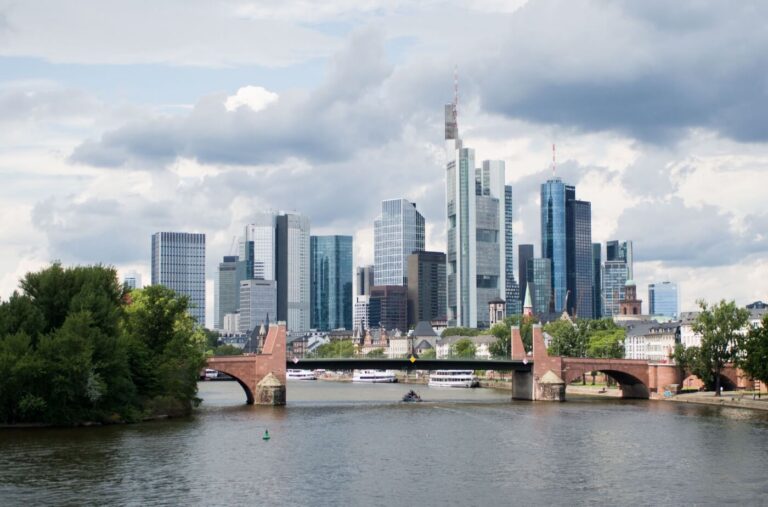
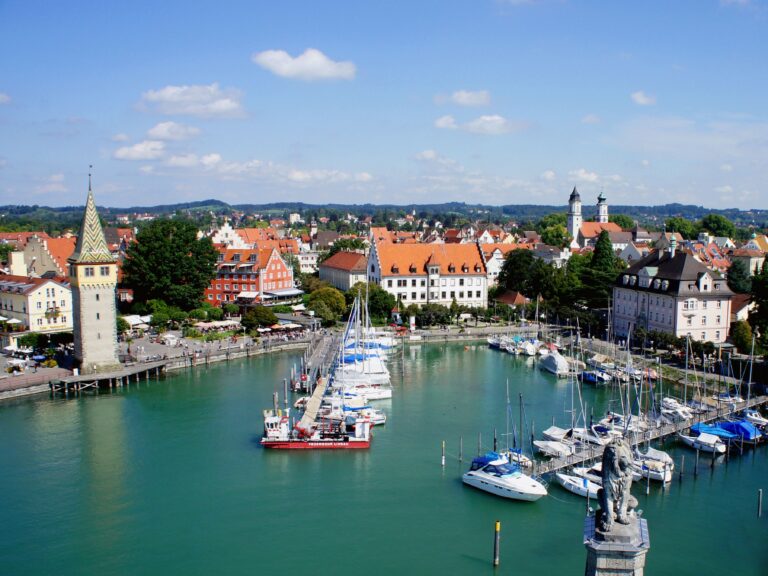
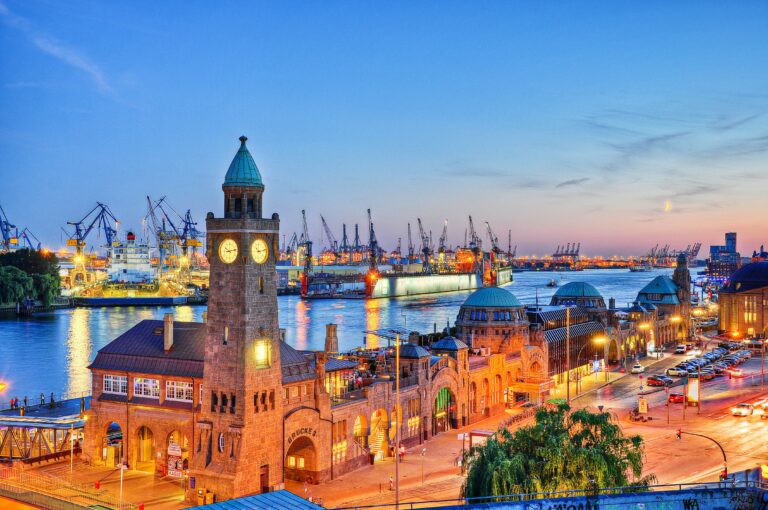
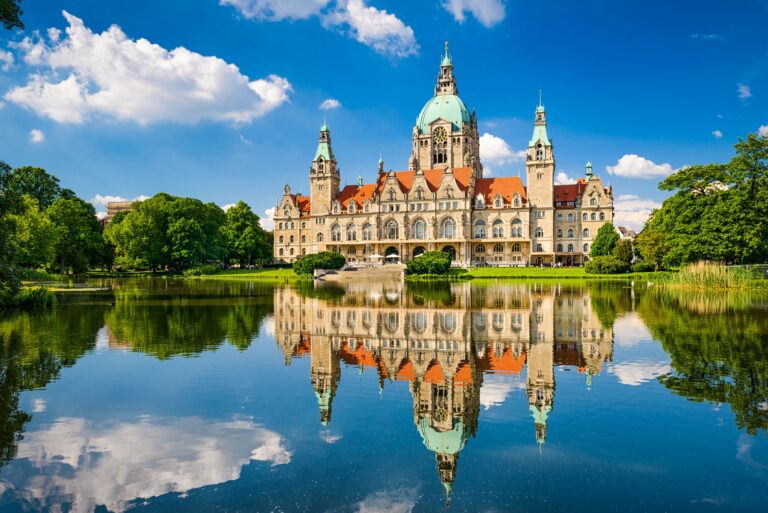
Cities in Germany
About NomadRoute
NomadRoute helps travelers discover destinations, compare flight options, and find competitive fares from trusted airlines and travel providers worldwide. We do not sell airline tickets directly. Instead, we connect travelers with leading booking partners.
Discover More Destinations
Find low fares from trusted travel providers.
Compare options and book directly with partners.
Explore destinations and routes worldwide.