
Travel Guide to Angkor Wat
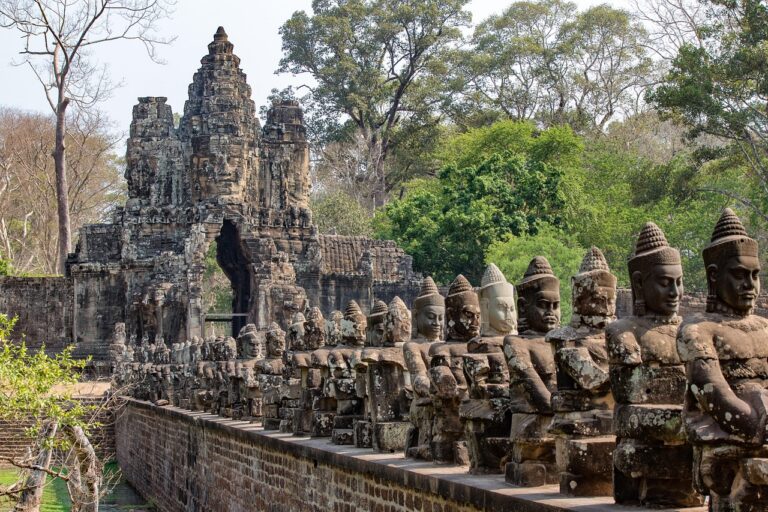
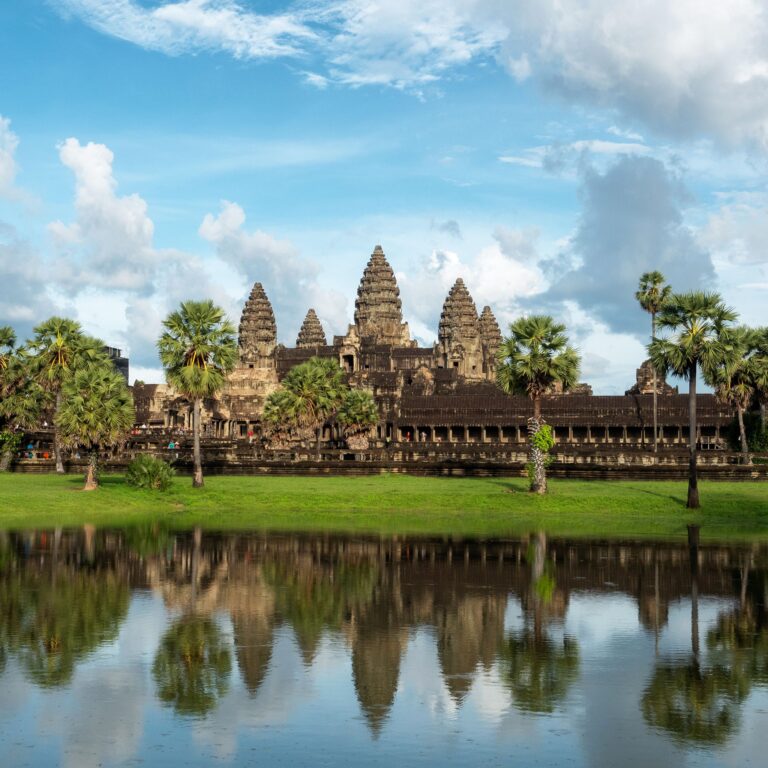
Angkor Wat, located in Cambodia, is the largest religious monument in the world and a symbol of the country's rich history and culture. Originally constructed in the early 12th century as a Hindu temple dedicated to the god Vishnu, it later transformed into a Buddhist temple, reflecting the region's religious evolution. The intricate carvings and grand scale of Angkor Wat showcase the architectural brilliance of the Khmer Empire, making it a must-visit destination for history enthusiasts and travelers alike.
Visitors to Angkor Wat can expect to be awed by its majestic towers and expansive grounds, which cover over 162 hectares. The temple's layout is designed to represent an earthly model of the universe, with its central tower symbolizing Mount Meru, the center of the universe in Hindu and Buddhist cosmology. As you explore the temple, you'll encounter stunning bas-reliefs depicting scenes from Hindu mythology and the epic Ramayana, providing insight into the cultural heritage of the Khmer people.
Continue reading the travel guide
Travel Guide to Angkor Wat
Practical considerations for visiting Angkor Wat include the best times to explore the site, which are early morning or late afternoon to avoid the heat and crowds. The temple complex is accessible from Siem Reap, the nearest city, which offers various accommodations and dining options. Visitors should also be aware of the dress code, as modest clothing is required when entering the temple grounds. Overall, Angkor Wat promises an unforgettable experience steeped in history and beauty.
Why Visit?
Angkor Wat is a breathtaking testament to ancient architecture and spirituality, offering visitors a unique glimpse into Cambodia's rich cultural heritage. Its stunning sunrise views and intricate carvings make it a photographer's paradise and a profound experience for anyone interested in history and art.
Best Time to Visit
The ideal time to visit Angkor Wat is during the dry season, from November to February, when temperatures are cooler and rainfall is minimal. Early mornings are particularly magical, as the sunrise casts a golden glow over the temple, creating a stunning backdrop for photos.
Ready to go? Plan your Angkor Wat trip → Good to know →
Plan your trip to Angkor Wat
Flights, accommodation and ways to get around — plan the details that matter to you.
Find flights to Angkor Wat
Nearest recommended airport search point: KTI.
See recent flight offersFrom Phnom Penh (Ta Khmau) €128
Recent flight offers
Compare available fares and routes for Angkor Wat.
Flights from Angkor Wat Departures · KTI
Cheap Flights from Phnom Penh (Ta Khmau) (KTI)
Compare the latest low fares from Phnom Penh (Ta Khmau) to popular destinations. Prices are updated regularly and may change based on travel dates and availability.
Stay & getting around
Choose a neighbourhood, then decide how you will get from the airport and around the city.
Where to stay Neighbourhoods and accommodation
Where to Stay in Angkor Wat
The nearby city of Siem Reap serves as the primary base for visitors to Angkor Wat, offering a wide range of accommodations, from budget hostels to luxury hotels. Staying in Siem Reap allows easy access to the temple complex and other attractions in the area.
Getting around Airport transfers and local transport

Getting Around Angkor Wat
Travelers can reach Angkor Wat from Siem Reap, which is approximately a 20-minute drive away. Tuk-tuks, bicycles, and private cars are popular options for getting around the temple complex, allowing visitors to explore at their own pace. Guided tours are also available for those who prefer a more structured experience.
Travel essentials
 Stay connected
 Flight delayed or cancelled?
Popular Activities in Angkor Wat
Good to know about Angkor Wat
Map & DirectionsChoose a map
Open Angkor Wat in your preferred map app.




Country factsCapital, language and useful details
Quick Facts
Country
Location
Practical Information
Climate
Cambodia has a tropical monsoon climate, characterized by distinct wet and dry seasons. The dry season lasts from November to April, while the rainy season runs from May to October, bringing heavy rainfall and higher humidity.
Money
The local currency is KHR - Riel. Cards are accepted in many places, but carrying some cash can be useful for small purchases, local transport, and rural areas.
Internet & SIM
Mobile coverage is generally good in urban areas, with various SIM and eSIM options available for tourists. Wi-Fi is commonly found in hotels, cafes, and restaurants, but may be less reliable in rural regions.
Electricity
Voltage: 230 V
Frequency: 50 Hz
Safety
Emergency
117 / 118 / 119
Explore more in Cambodia
Places to Visit in Cambodia
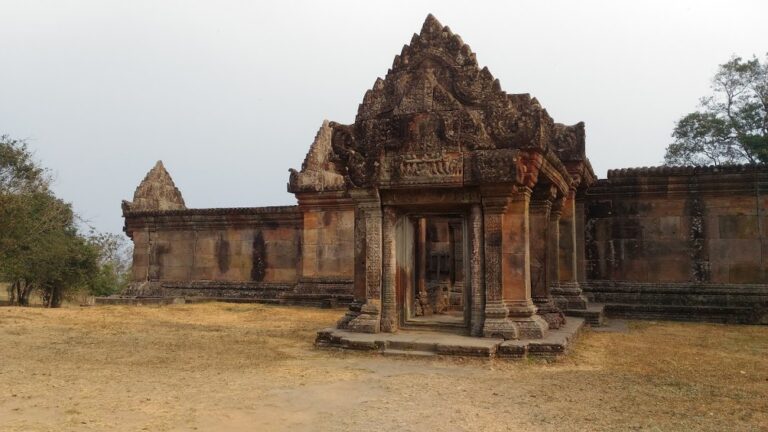
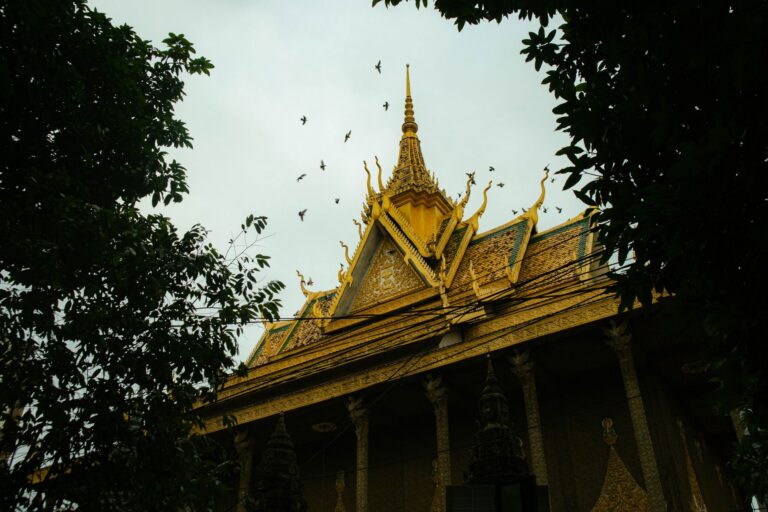
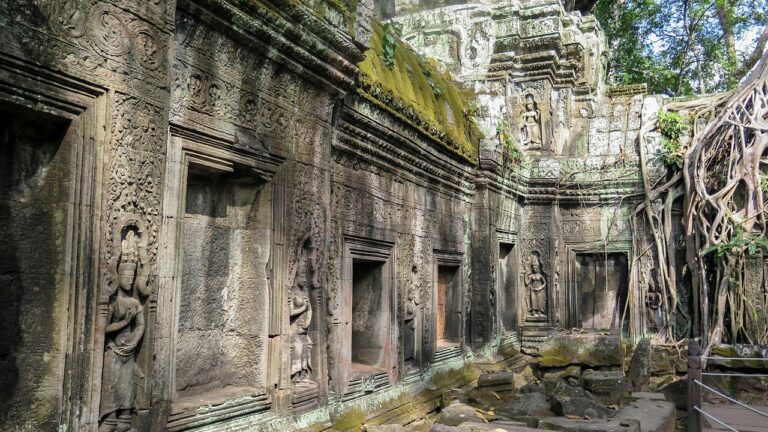
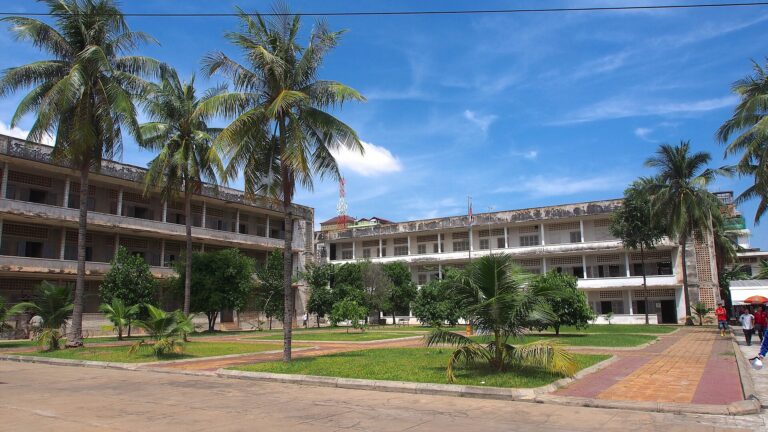
Cities in Cambodia
About NomadRoute
NomadRoute helps travelers discover destinations, compare flight options, and find competitive fares from trusted airlines and travel providers worldwide. We do not sell airline tickets directly. Instead, we connect travelers with leading booking partners.
Discover More Destinations
Find low fares from trusted travel providers.
Compare options and book directly with partners.
Explore destinations and routes worldwide.