
Travel Guide to Tripoli
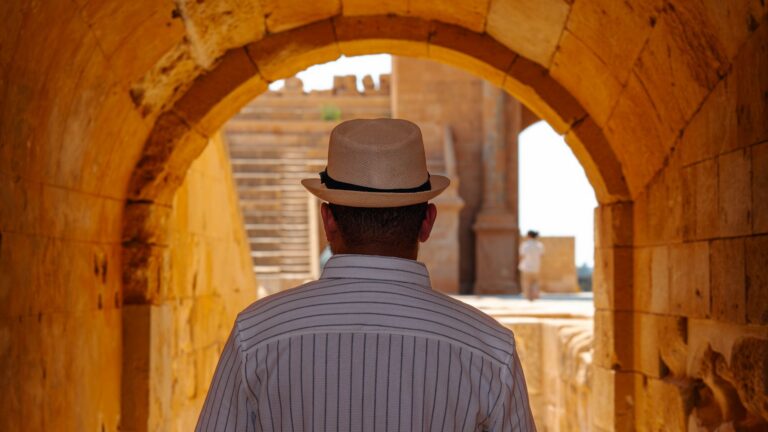
Tripoli, the capital city of Libya, is a fascinating blend of ancient history and modern life. Nestled along the Mediterranean coast, it boasts a rich tapestry of cultural influences, evident in its stunning architecture and bustling markets. The historic Medina, with its narrow streets and vibrant souks, invites visitors to explore its hidden gems, including the iconic Red Castle (Assai al-Hamra) and the picturesque Arch of Marcus Aurelius.
The city is also home to several museums, such as the National Museum of Libya, which showcases the country's archaeological treasures. For a taste of local life, the lively Martyrs' Square serves as a central hub where locals gather, and nearby, the coastal Corniche offers a scenic promenade perfect for leisurely strolls.
Continue reading the travel guide
Travel Guide to Tripoli
Tripoli's culinary scene is not to be missed, with traditional dishes like couscous and fresh seafood available at numerous restaurants. The city's vibrant nightlife and warm hospitality further enhance its appeal, making it a captivating destination for travelers seeking both adventure and relaxation.
Why Visit?
Tripoli is a must-visit for those interested in history, culture, and Mediterranean charm. The city's rich heritage is showcased in its ancient ruins and vibrant markets, while its delicious cuisine offers a unique taste of Libyan culture. With its beautiful coastal views and welcoming atmosphere, Tripoli promises an unforgettable travel experience.
Best Time to Visit
The best time to visit Tripoli is during the spring (March to May) and autumn (September to November) months when the weather is pleasantly mild. Summer can be quite hot, with temperatures often exceeding 35°C (95°F), making outdoor activities less enjoyable. Winter, while cooler, can still be a good time to explore the city's indoor attractions and enjoy fewer crowds. If you're interested in experiencing local festivals, consider visiting during the Eid celebrations, which offer a glimpse into Libyan culture and traditions.
View all
Top Attractions in Tripoli
- Red Castle (Assai al-Hamra)
- Arch of Marcus Aurelius
- National Museum of Libya
- Martyrs' Square
- Tripoli Medina
- The Great Mosque of Tripoli
- The Roman Theatre
- The Coastal Corniche
Ready to go? Plan your Tripoli trip → Good to know →
Plan your trip to Tripoli
Flights, accommodation and ways to get around — plan the details that matter to you.
Find flights to Tripoli
Suggested airport search point: TIP.
See recent flight offers
Recent flight offers
Compare available fares and routes for Tripoli.
Stay & getting around
Choose a neighbourhood, then decide how you will get from the airport and around the city.
Where to stay Neighbourhoods and accommodation
Where to Stay in Tripoli
Tripoli offers a range of accommodation options, from luxury hotels to budget-friendly guesthouses. For a central location, consider staying near Martyrs' Square, where you'll have easy access to major attractions and dining options. The Medina area also has charming boutique hotels that provide a unique cultural experience.
Getting around Airport transfers and local transport

Getting Around Tripoli
Getting around Tripoli is relatively easy, with options including taxis, buses, and rental cars. Taxis are widely available and can be hailed on the street or booked via phone. The city's compact size makes it convenient for walking, especially in the Medina, where many attractions are located close together.
Travel essentials
 Stay connected
 Flight delayed or cancelled?
Popular Activities in Tripoli
Good to know about Tripoli
Map & DirectionsChoose a map
Open Tripoli in your preferred map app.




Country factsCapital, language and useful details
Quick Facts
Country
Location
Practical Information
Climate
Libya has a predominantly desert climate, characterized by hot summers and mild winters. Coastal areas experience Mediterranean weather, with warm, dry summers and cooler, wetter winters. Rainfall is scarce, particularly in the interior regions.
Money
The local currency is LYD - Libyan Dinar. Cards are accepted in many places, but carrying some cash can be useful for small purchases, local transport, and rural areas.
Internet & SIM
Mobile coverage in Libya is available in urban areas, with several providers offering SIM cards for tourists. Wi-Fi is accessible in many hotels and cafes, but connectivity can be inconsistent in remote regions.
Electricity
Voltage: 220 / 230 V
Frequency: 50 Hz
Safety
Emergency
112 / 999
Frequently Asked Travel Questions
What is the best time to visit Tripoli?
The best time to visit Tripoli is during spring (March to May) and autumn (September to November) when the weather is mild and pleasant.
How long should I plan to stay in Tripoli?
A 3 to 5-day trip is recommended to fully explore Tripoli's attractions and immerse yourself in the local culture.
What are the main attractions in Tripoli?
Top attractions in Tripoli include the Red Castle, Arch of Marcus Aurelius, National Museum of Libya, and the historic Medina.
Is public transportation available in Tripoli?
Yes, Tripoli has taxis and buses for public transportation, and many attractions are within walking distance, especially in the Medina.
What local dishes should I try in Tripoli?
Don't miss trying traditional Libyan dishes like couscous, fresh seafood, and local pastries at various restaurants throughout the city.
Explore more in Libya
Places to Visit in Libya
About NomadRoute
NomadRoute helps travelers discover destinations, compare flight options, and find competitive fares from trusted airlines and travel providers worldwide. We do not sell airline tickets directly. Instead, we connect travelers with leading booking partners.
Discover More Destinations
Find low fares from trusted travel providers.
Compare options and book directly with partners.
Explore destinations and routes worldwide.