
Travel Guide to Ireland
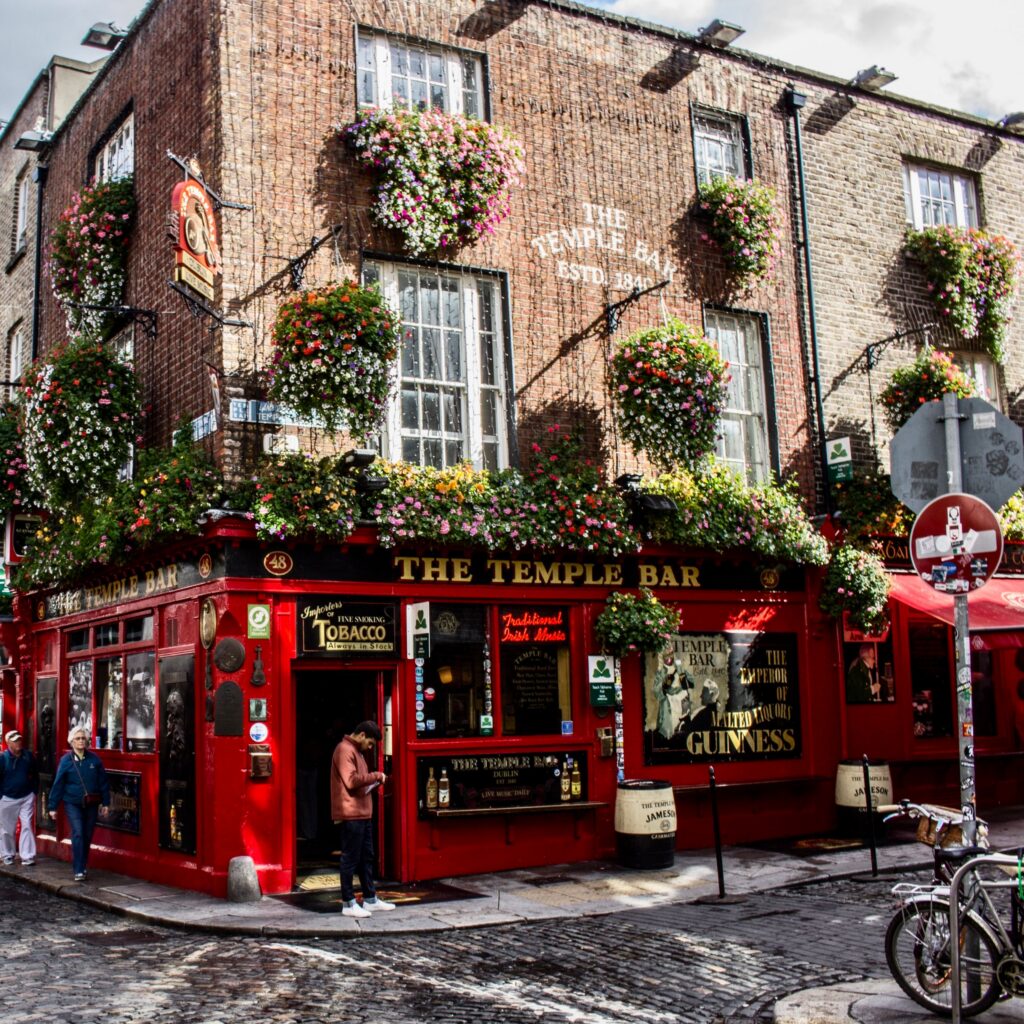
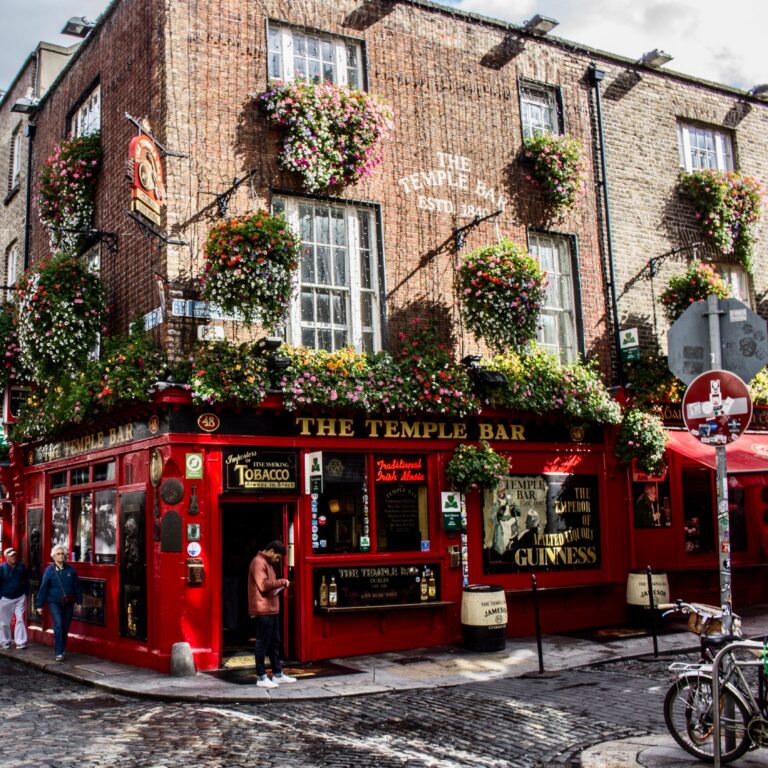
Ireland is a land of enchanting landscapes and deep-rooted cultural heritage. Visitors are drawn to its dramatic Atlantic coastlines, lush green hills, and historic towns that echo tales of the past. The capital, Dublin, is a hub of activity, offering a blend of museums, traditional pubs, and Georgian architecture that reflect its literary legacy.
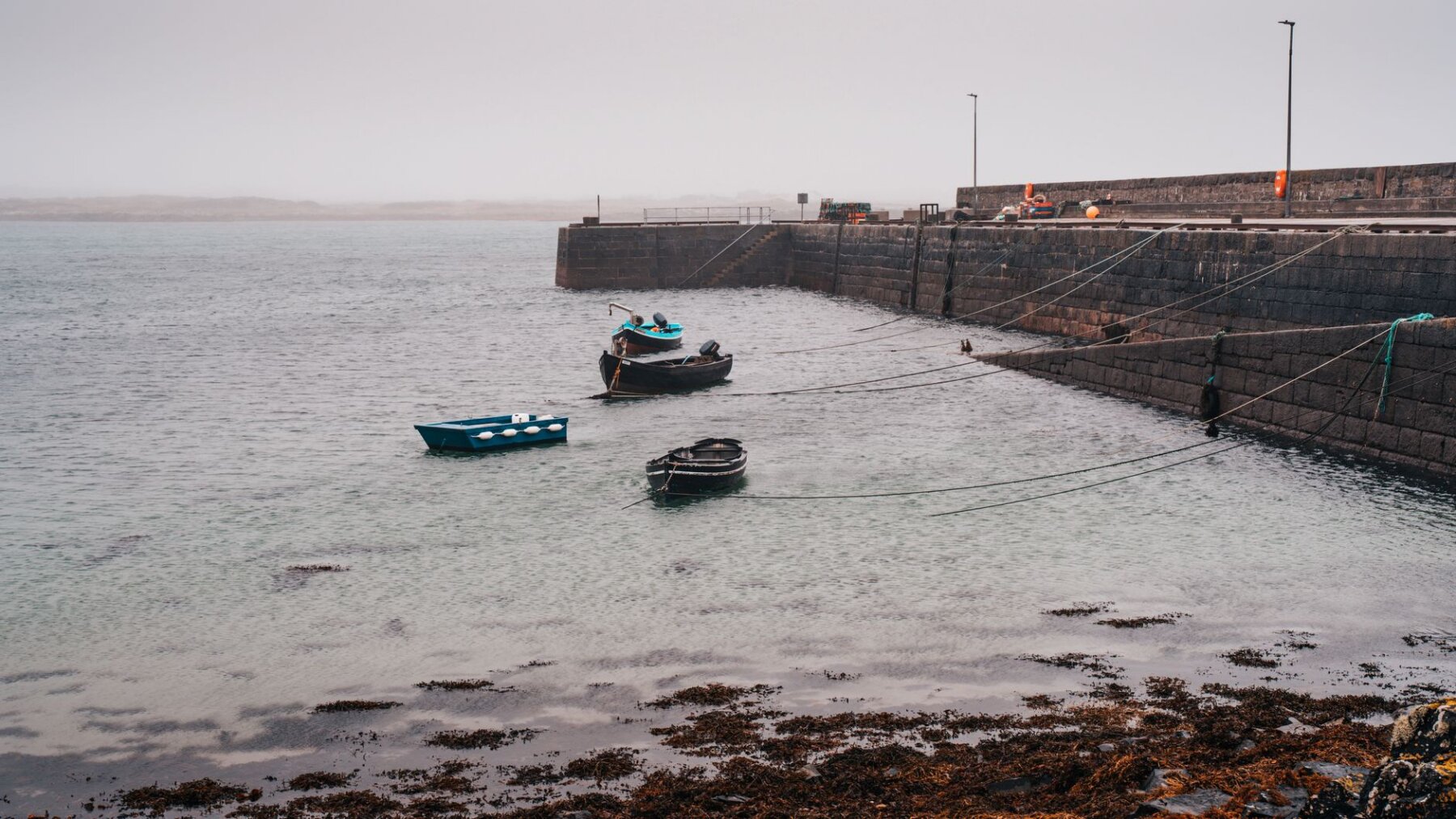
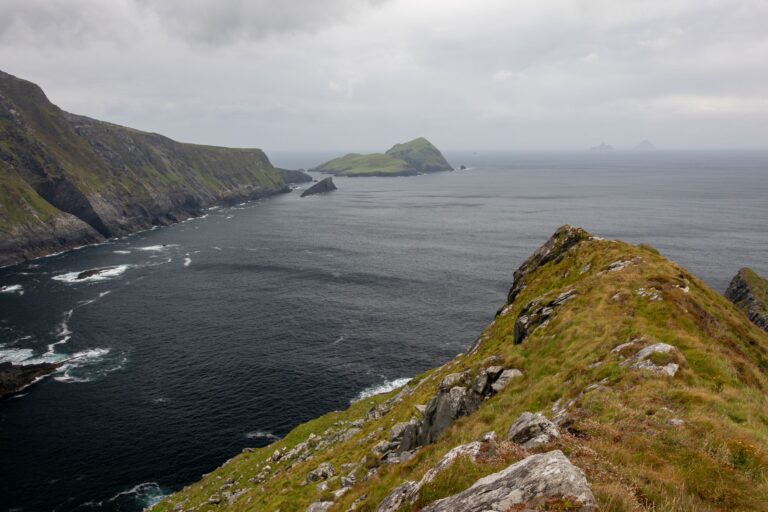
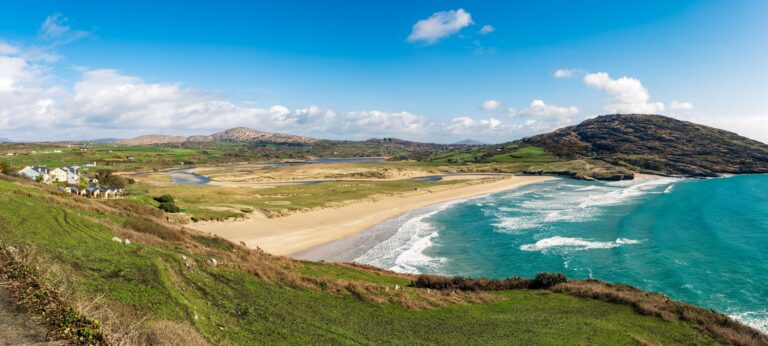
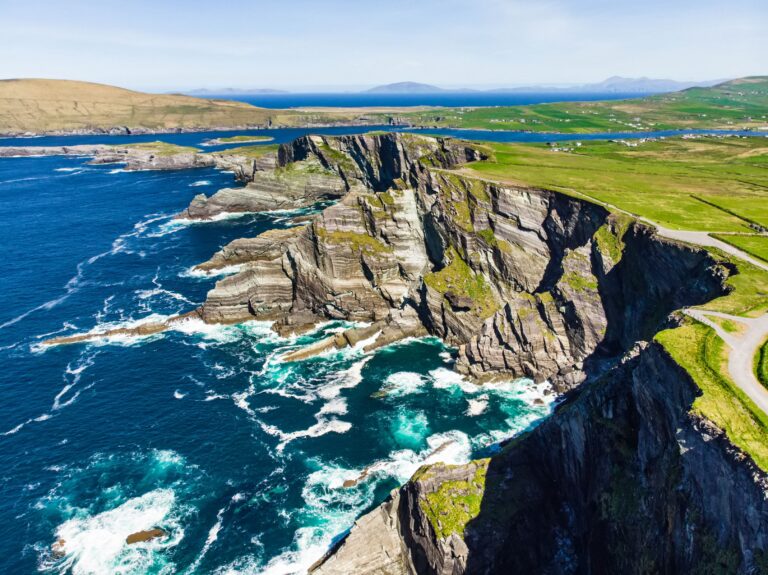
The west coast of Ireland is particularly breathtaking, with regions like Connemara and the Aran Islands showcasing rugged beauty and a sense of isolation that many find appealing. The Wild Atlantic Way, a scenic driving route, takes you through some of the most picturesque areas, including County Kerry and the Beara Peninsula, where nature reigns supreme.
Continue reading the travel guide
Travel Guide to Ireland
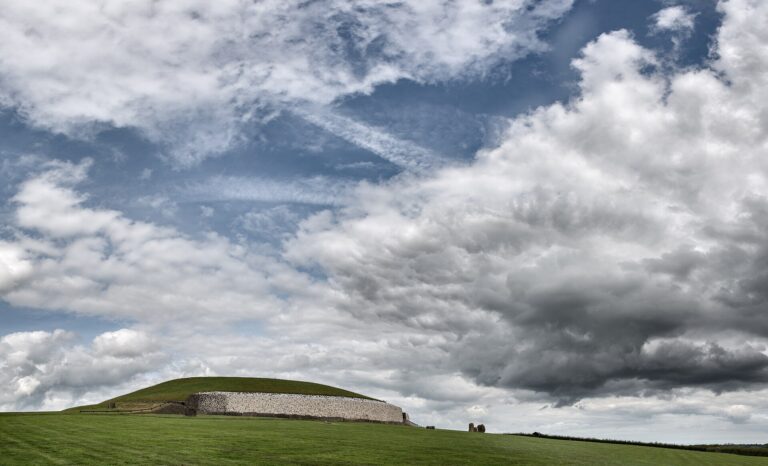
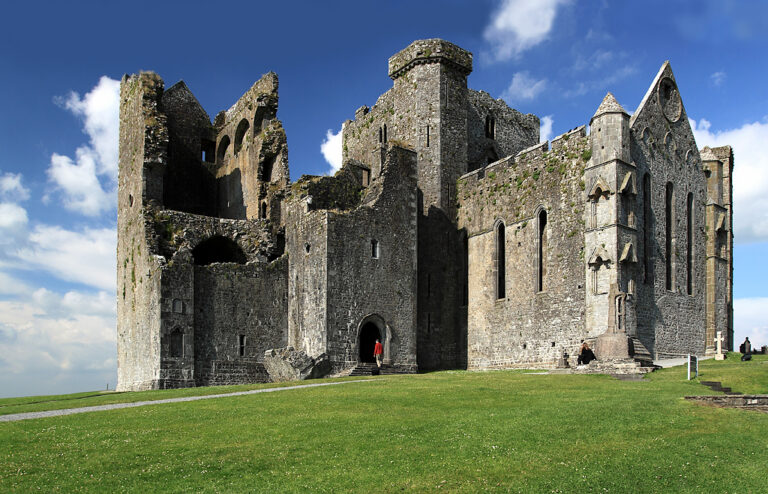
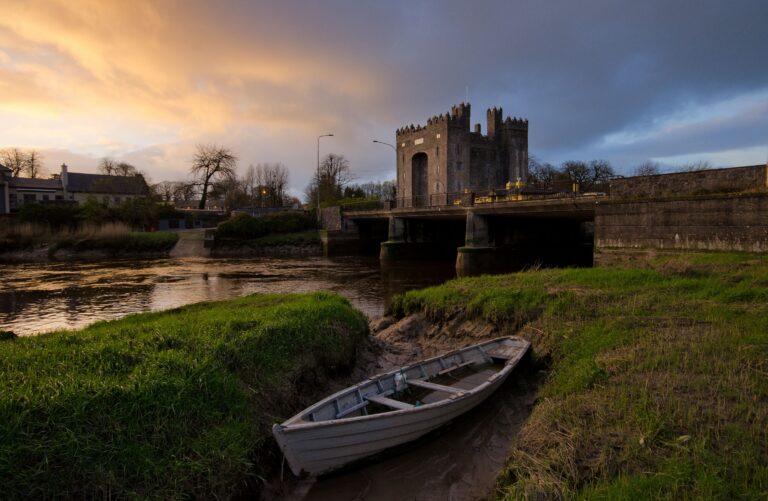
Ireland's rich history is evident in its ancient sites, such as Brú na Bóinne and Skellig Michael, both UNESCO World Heritage sites. These landmarks, along with the Rock of Cashel and numerous medieval castles, attract history enthusiasts and nature lovers alike. With its warm local atmosphere and vibrant music scene, Ireland promises an unforgettable travel experience filled with adventure and discovery.
Why Visit?
Ireland is a must-visit for its breathtaking landscapes and rich cultural tapestry. Explore the Wild Atlantic Way for stunning coastal views, immerse yourself in Dublin's vibrant pub culture, and visit historic sites like Brú na Bóinne and Skellig Michael. Experience the warmth of traditional Irish music and the charm of historic towns, making every moment of your trip memorable.
Best Time to Visit
Ireland is a year-round destination, but the ideal time to visit is from late spring to early autumn. During this period, the weather is generally mild, making it perfect for outdoor activities and sightseeing. Summer brings the longest days and the highest number of visitors, while spring and autumn offer fewer crowds and vibrant landscapes. Be prepared for rain at any time, especially in the west, so pack accordingly and consider flexible travel plans to make the most of your experience.
Ireland highlights

View all
Top Attractions in Ireland
Ready to go? Plan your Ireland trip → Good to know →
Plan your trip to Ireland
Flights, accommodation and ways to get around — plan the details that matter to you.
Find flights to Ireland
Suggested airport search point: DUB.
See recent flight offersTo Dublin €35From Dublin €33
Recent flight offers
Compare available fares and routes for Ireland.
Flights to Dublin Arrivals · DUB
Cheap Flights to Dublin for Ireland (DUB)
Compare recent fares to Dublin, the suggested airport search point for visiting Ireland. Choose a listed deal or use the search box above to check prices from your airport.
Flights from Ireland Departures · DUB
Cheap Flights from Dublin (DUB)
Compare the latest low fares from Dublin to popular destinations. Prices are updated regularly and may change based on travel dates and availability.
Stay & getting around
Choose a neighbourhood, then decide how you will get from the airport and around the city.
Where to stay Neighbourhoods and accommodation
Where to Stay in Ireland
Dublin serves as an excellent base for city breaks, while Galway, Killarney, Kilkenny, and Cork are ideal for regional exploration. The Irish countryside is dotted with charming guesthouses and inns, particularly along scenic routes, providing a unique and authentic experience of Irish hospitality.
Getting around Airport transfers and local transport

Getting Around Ireland
To explore rural Ireland and the stunning west coast, renting a car is highly recommended. Major cities and towns are well-connected by trains and buses, making public transport a viable option for urban travel. In Dublin, walking and using public transport are usually sufficient for getting around, while local tours can enhance visits to popular sites like the Cliffs of Moher and the Ring of Kerry.
Travel essentials
 Stay connected
 Flight delayed or cancelled?
Popular Activities in Ireland
Good to know about Ireland
Map & DirectionsChoose a map
Open Ireland in your preferred map app.




Country factsCapital, language and useful details
Quick Facts
Country
Location
Practical Information
Climate
Ireland has a temperate maritime climate, characterized by mild winters and cool summers. Rainfall is frequent throughout the year, with the west coast receiving the most precipitation. The best time for outdoor activities is typically from late spring to early autumn.
Money
The local currency is EUR - Euro (€). Cards are accepted in many places, but carrying some cash can be useful for small purchases, local transport, and rural areas.
Internet & SIM
Mobile coverage is generally good in urban areas, with several providers offering SIM and eSIM options. Wi-Fi is widely available in hotels, cafes, and public spaces, making it easy to stay connected.
Electricity
Voltage: 230 V
Frequency: 50 Hz
Safety
Emergency
112 / 999
Frequently Asked Travel Questions
What is the best time to visit Ireland?
The best time to visit Ireland is from late spring to early autumn, when the weather is milder and ideal for outdoor activities. Summer offers the longest days, while spring and autumn provide fewer crowds.
What are the entry requirements for Ireland?
Entry requirements for Ireland vary depending on your nationality. It's best to check the official government website for the most current visa and entry information before your trip.
Which airports serve Ireland?
Ireland's main international airports are Dublin Airport (DUB), Cork Airport (ORK), and Shannon Airport (SNN). Dublin Airport is the largest and offers the most international connections.
What is the currency used in Ireland?
The currency used in Ireland is the Euro (€). Credit and debit cards are widely accepted, but it's advisable to carry some cash for smaller purchases.
Is Ireland a safe country for tourists?
Yes, Ireland is generally considered safe for tourists. However, it's always wise to take standard precautions, such as keeping your belongings secure and being aware of your surroundings.
Explore more in Ireland
Places to Visit in Ireland


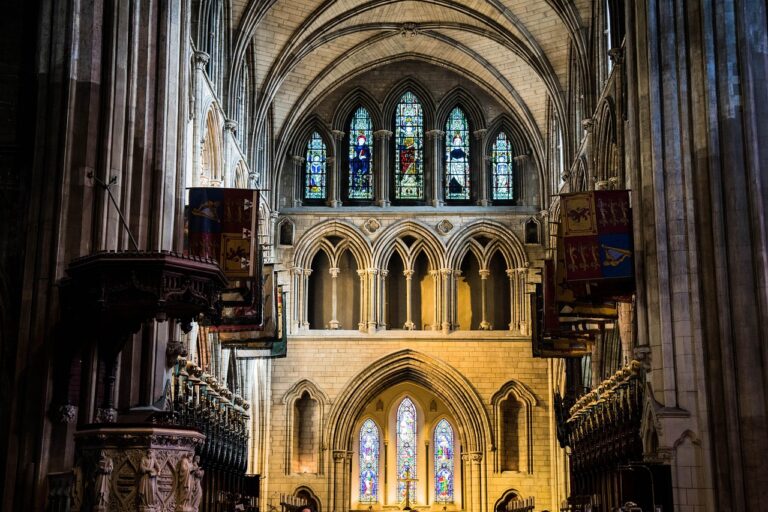



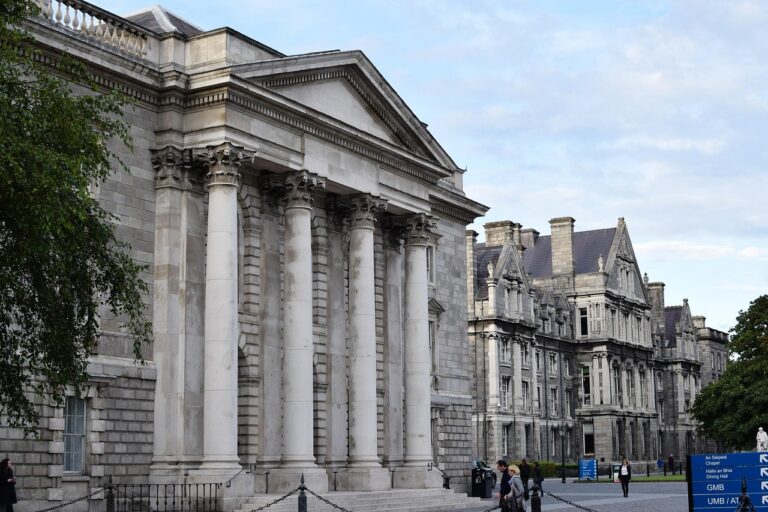
Cities in Ireland
About NomadRoute
NomadRoute helps travelers discover destinations, compare flight options, and find competitive fares from trusted airlines and travel providers worldwide. We do not sell airline tickets directly. Instead, we connect travelers with leading booking partners.
Find low fares from trusted travel providers.
Compare options and book directly with partners.
Explore destinations and routes worldwide.