
Travel Guide to Mount Roraima
Mount Roraima, one of the most iconic natural wonders of South America, rises majestically at the border of Venezuela, Brazil, and Guyana. This flat-topped mountain, known as a tepui, is famous for its sheer cliffs and unique biodiversity, making it a must-visit for adventurers and nature lovers alike. The mountain's summit is often shrouded in mist, creating an otherworldly atmosphere that has inspired countless legends and stories.
Visitors to Mount Roraima can embark on multi-day treks that lead through lush rainforests and across rocky terrains, culminating in the breathtaking views from the top. The summit offers a unique ecosystem, home to many endemic species of plants and animals that thrive in its isolated environment. The experience of standing atop this ancient geological formation, surrounded by vast landscapes and dramatic cliffs, is truly unforgettable.
Continue reading the travel guide
Travel Guide to Mount Roraima
Planning a visit to Mount Roraima requires some preparation, as the treks can be challenging and typically take around 6 to 10 days. The best time to visit is during the dry season, from December to April, when the weather is more favorable for trekking. Travelers should also consider hiring a local guide to enhance their experience and ensure safety during the journey.
Why Visit?
Mount Roraima is a unique destination for those seeking adventure and stunning natural beauty. Its distinctive flat summit, rich biodiversity, and the opportunity for exhilarating treks make it a top choice for outdoor enthusiasts and photographers alike.
Best Time to Visit
The ideal time to visit Mount Roraima is during the dry season, from December to April, when the weather is more stable and the trails are less muddy. Early mornings or late afternoons are the best times to enjoy the views from the summit, as the lighting enhances the dramatic landscapes.
Ready to go? Plan your Mount Roraima trip → Good to know →
Plan your trip to Mount Roraima
Flights, accommodation and ways to get around — plan the details that matter to you.
Find flights to Mount Roraima
Nearest recommended airport search point: PBM.
See recent flight offersTo Paramaribo €419From Paramaribo €357
Recent flight offers
Compare available fares and routes for Mount Roraima.
Flights to Paramaribo Arrivals · PBM
Cheap Flights to Paramaribo for Mount Roraima (PBM)
Compare recent fares to Paramaribo, the suggested airport search point for visiting Mount Roraima. Choose a listed deal or use the search box above to check prices from your airport.
Flights from Mount Roraima Departures · PBM
Cheap Flights from Paramaribo (PBM)
Compare the latest low fares from Paramaribo to popular destinations. Prices are updated regularly and may change based on travel dates and availability.
Stay & getting around
Choose a neighbourhood, then decide how you will get from the airport and around the city.
Where to stay Neighbourhoods and accommodation
Where to Stay in Mount Roraima
The nearest town for accommodation is Santa Elena de Uairén, which serves as the primary base for treks to Mount Roraima. Here, travelers can find various lodging options, from hostels to guesthouses, as well as local tour operators offering guided treks.
Getting around Airport transfers and local transport

Getting Around Mount Roraima
To reach Mount Roraima, travelers typically fly into the nearest airport at Boa Vista in Brazil or Ciudad Bolívar in Venezuela. From there, it is common to take a bus or arrange a tour that includes transportation to the trailhead. Once at the mountain, trekking is the primary mode of getting around, with guided tours available to navigate the challenging terrain.
Travel essentials
 Stay connected
 Flight delayed or cancelled?
Popular Activities in Mount Roraima
Good to know about Mount Roraima
Map & DirectionsChoose a map
Open Mount Roraima in your preferred map app.




Country factsCapital, language and useful details
Quick Facts
Country
Location
Practical Information
Climate
Venezuela features a tropical climate with distinct wet and dry seasons. The dry season typically lasts from November to May, while the wetter months span from May to November. Regional variations in climate mean that conditions can differ significantly across the country.
Money
The local currency is the Venezuelan Bolívar (VEF). Credit and debit cards are accepted in many urban areas, but it's advisable to carry cash for small purchases and in rural regions where card acceptance may be limited.
Internet & SIM
Mobile coverage is generally good in urban areas, but may be limited in remote regions. Local SIM cards can be purchased easily, and eSIM options are also available. Wi-Fi is typically accessible in hotels and some cafes, but checking availability in advance is recommended.
Electricity
Voltage: 120 V
Frequency: 60 Hz
Safety
Emergency
911 / 171
Explore more in Venezuela
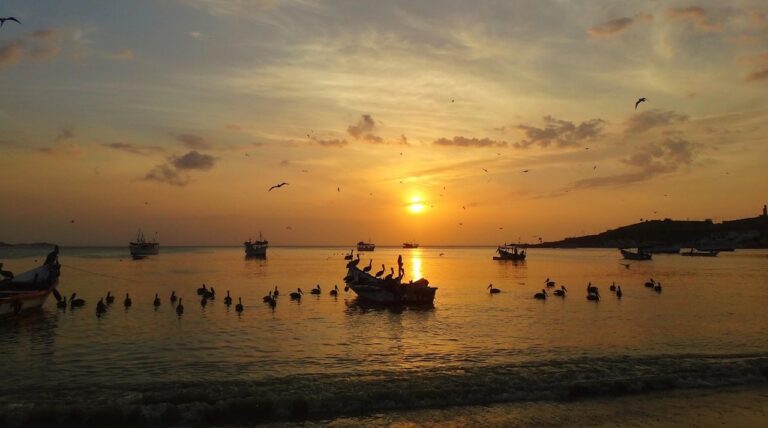
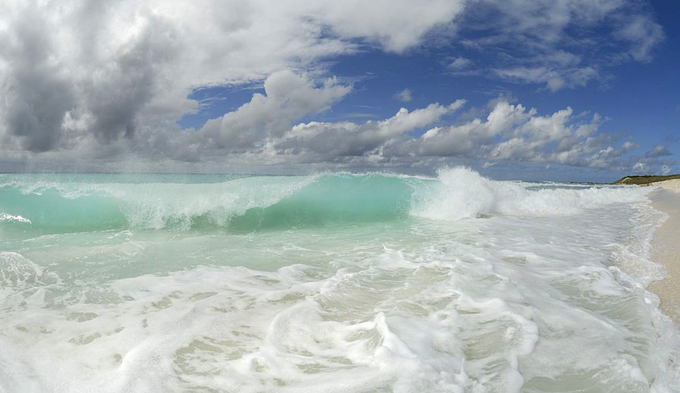
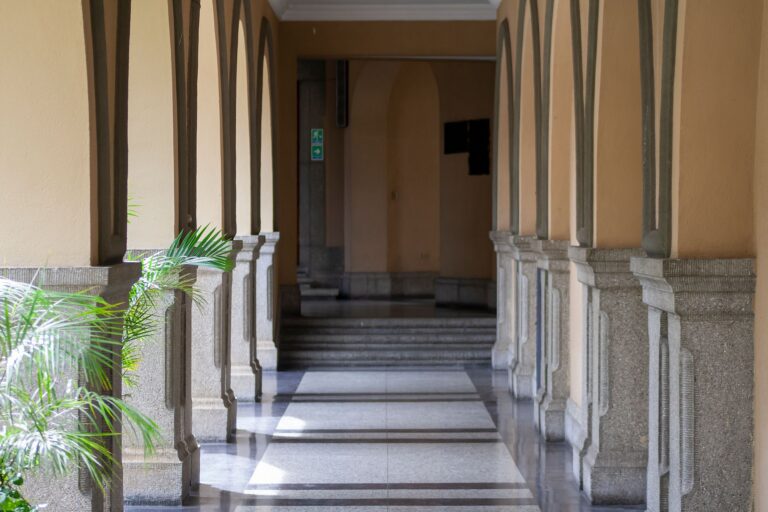
Places to Visit in Venezuela
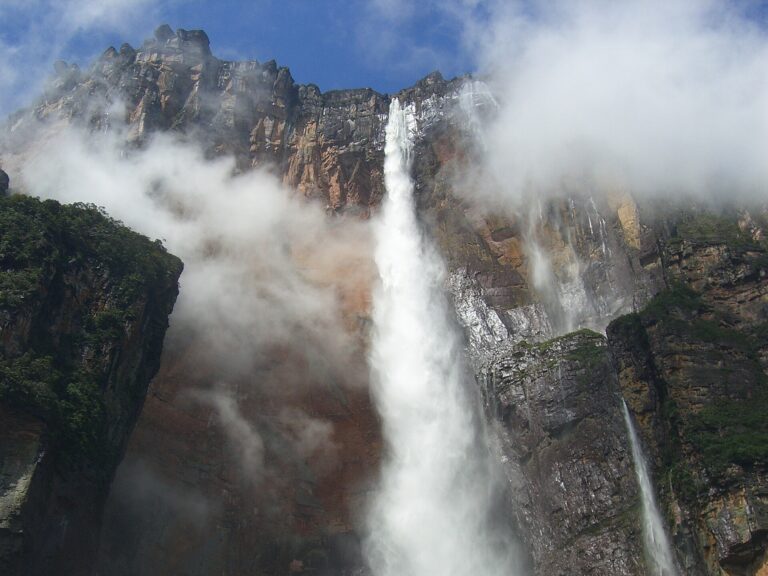
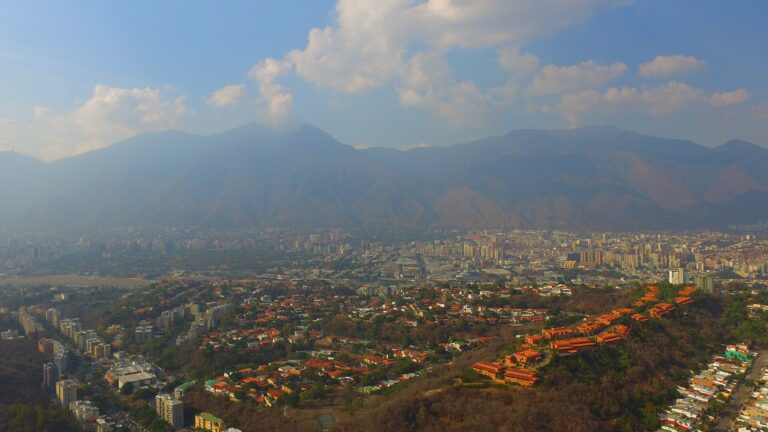
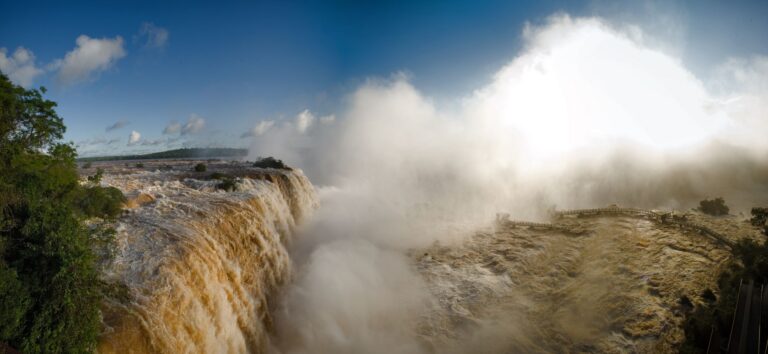
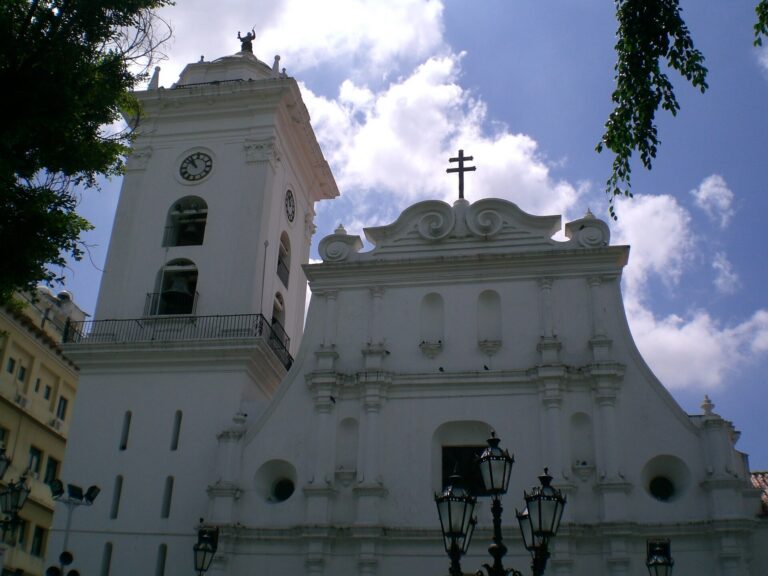

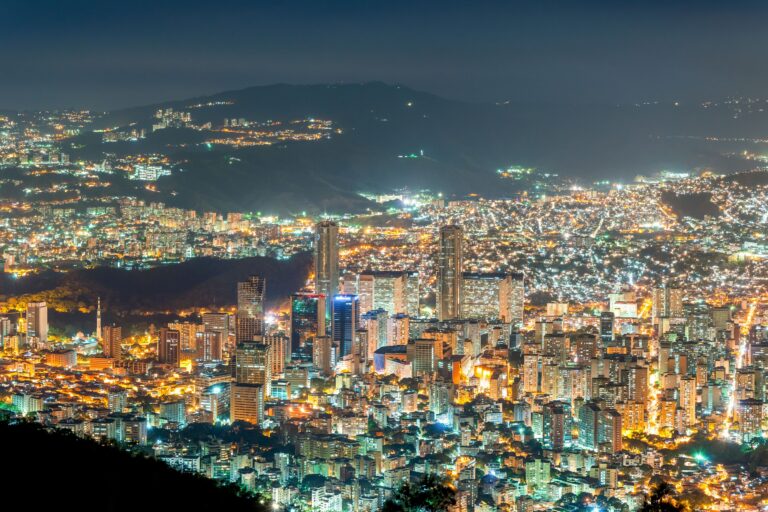
Cities in Venezuela
About NomadRoute
NomadRoute helps travelers discover destinations, compare flight options, and find competitive fares from trusted airlines and travel providers worldwide. We do not sell airline tickets directly. Instead, we connect travelers with leading booking partners.
Discover More Destinations
Find low fares from trusted travel providers.
Compare options and book directly with partners.
Explore destinations and routes worldwide.
Photo · Paolo Costa Baldi · Wikimedia Commons · CC BY-SA 3.0