
Travel Guide to The Nabatean ruins of Al-Ula
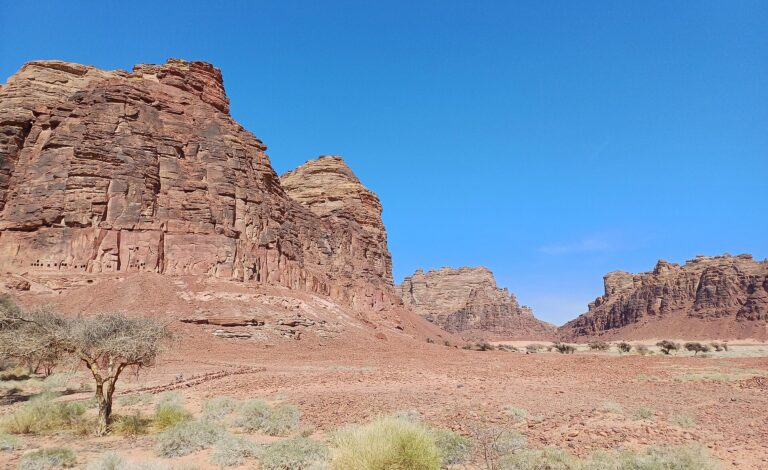
The Nabatean ruins of Al-Ula, located in Saudi Arabia, are a remarkable testament to the architectural ingenuity of the Nabatean civilization, which thrived from the 4th century BC to the 2nd century AD. Nestled in a breathtaking desert landscape, this UNESCO World Heritage site features intricately carved tombs, monumental facades, and ancient dwellings that tell the story of a once-thriving trading hub along the incense route.
Visitors to Al-Ula can expect to explore the stunning rock formations and archaeological wonders that dot the area. The most famous of these is the Tomb of Lihyan, a grand structure carved into the sandstone cliffs, along with the impressive Al-Khazneh, resembling a temple facade. The site offers guided tours that provide insights into the Nabatean culture, their advanced water management systems, and the significance of Al-Ula in ancient trade.
Continue reading the travel guide
Travel Guide to The Nabatean ruins of Al-Ula
Practical considerations for planning a visit include the best times to explore the site, which are during the cooler months from October to April. The area is accessible via the nearest airport in Riyadh (RUH), with various transportation options available for reaching Al-Ula. Visitors should also be prepared for the desert climate, ensuring they stay hydrated and protected from the sun during their explorations.
Why Visit?
Al-Ula is a must-visit for anyone interested in history and archaeology, offering a unique glimpse into the ancient Nabatean civilization. The stunning desert landscape, combined with the intricate rock-cut architecture, creates an unforgettable experience for travelers seeking adventure and cultural enrichment.
Best Time to Visit
The ideal time to visit Al-Ula is between October and April when the weather is cooler and more pleasant for outdoor exploration. Early mornings or late afternoons are particularly enjoyable for sightseeing, as the temperatures are milder and the lighting enhances the beauty of the rock formations.
Ready to go? Plan your The Nabatean ruins of Al-Ula trip → Good to know →
Plan your trip to The Nabatean ruins of Al-Ula
Flights, accommodation and ways to get around — plan the details that matter to you.
Find flights to The Nabatean ruins of Al-Ula
Nearest recommended airport search point: RUH.
See recent flight offersTo Riyadh €96From Riyadh €79
Recent flight offers
Compare available fares and routes for The Nabatean ruins of Al-Ula.
Flights to Riyadh Arrivals · RUH
Cheap Flights to Riyadh for The Nabatean ruins of Al-Ula (RUH)
Compare recent fares to Riyadh, the suggested airport search point for visiting The Nabatean ruins of Al-Ula. Choose a listed deal or use the search box above to check prices from your airport.
Flights from The Nabatean ruins of Al-Ula Departures · RUH
Cheap Flights from Riyadh (RUH)
Compare the latest low fares from Riyadh to popular destinations. Prices are updated regularly and may change based on travel dates and availability.
Stay & getting around
Choose a neighbourhood, then decide how you will get from the airport and around the city.
Where to stay Neighbourhoods and accommodation
Where to Stay in The Nabatean ruins of Al-Ula
The best place to stay when visiting Al-Ula is the nearby town of Al-Ula itself, which offers a range of accommodations from luxury resorts to budget-friendly hotels. Staying in Al-Ula provides easy access to the archaeological sites and local amenities.
Getting around Airport transfers and local transport

Getting Around The Nabatean ruins of Al-Ula
Travelers can reach Al-Ula by flying into Prince Abdul Majeed bin Abdulaziz Airport, located just a short drive from the town. Once in Al-Ula, renting a car or joining guided tours is recommended for exploring the various archaeological sites and attractions comfortably.
Travel essentials
 Stay connected
 Flight delayed or cancelled?
Popular Activities in The Nabatean ruins of Al-Ula
Good to know about The Nabatean ruins of Al-Ula
Country factsCapital, language and useful details
Quick Facts
Country
Location
Practical Information
Climate
Saudi Arabia has a predominantly arid climate, characterized by hot summers and mild winters. Coastal areas experience more humidity, while the interior can see extreme temperature variations.
Money
The local currency is SAR - Saudi Riyal (﷼). Cards are accepted in many places, but carrying some cash can be useful for small purchases, local transport, and rural areas.
Internet & SIM
Mobile coverage is generally good in urban areas, and SIM cards are readily available at airports and shops. Wi-Fi is also accessible in hotels and cafes.
Electricity
Voltage: 230 V
Frequency: 60 Hz
Safety
Emergency
911 / 999
Explore more in Saudi Arabia
Places to Visit in Saudi Arabia

Cities in Saudi Arabia
About NomadRoute
NomadRoute helps travelers discover destinations, compare flight options, and find competitive fares from trusted airlines and travel providers worldwide. We do not sell airline tickets directly. Instead, we connect travelers with leading booking partners.
Discover More Destinations
Find low fares from trusted travel providers.
Compare options and book directly with partners.
Explore destinations and routes worldwide.
Photo · رومان · Wikimedia Commons · CC BY-SA 4.0