
Travel Guide to St. Lucia
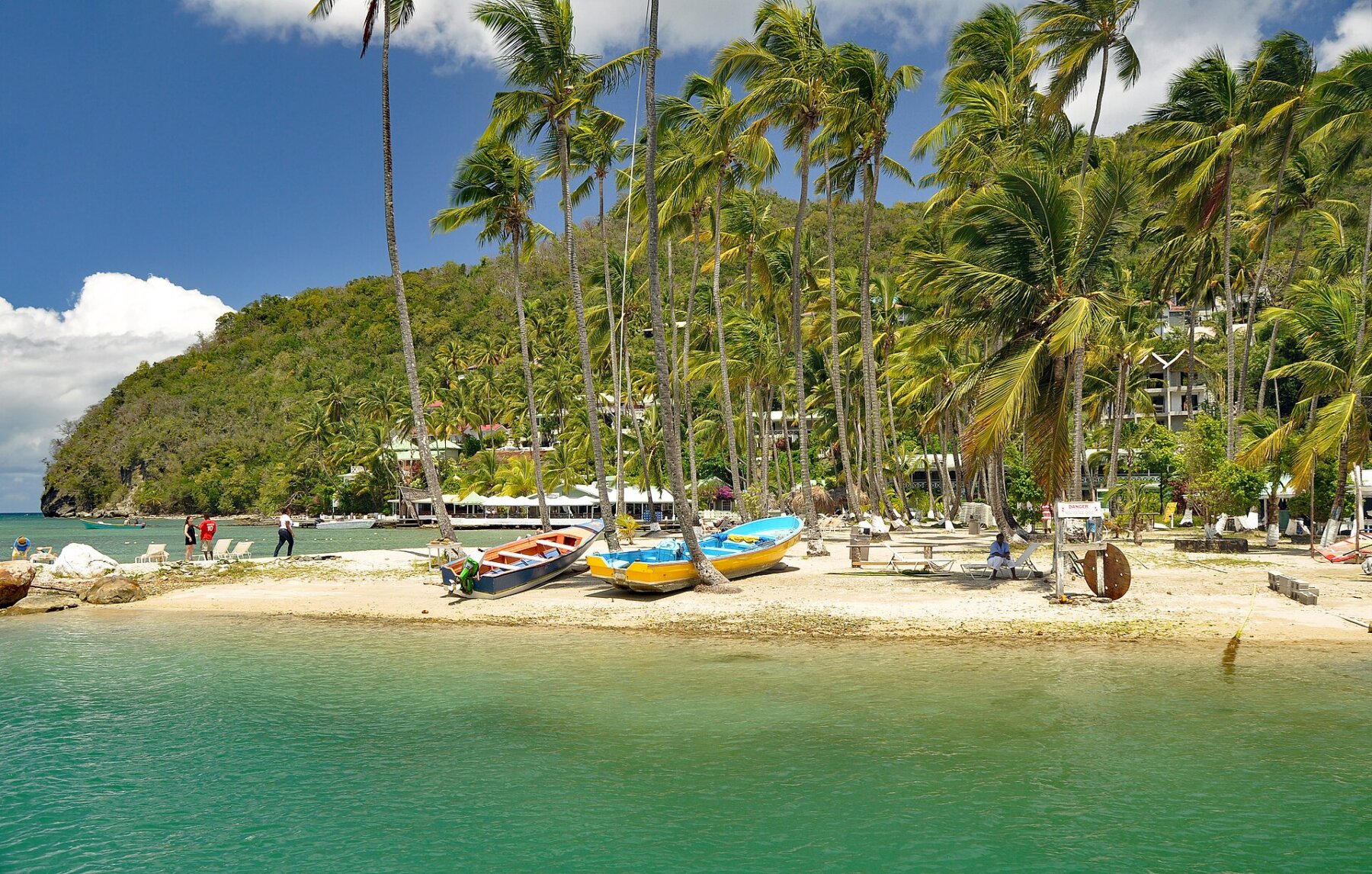
St. Lucia, a breathtaking island in the Caribbean, is renowned for its dramatic landscapes, including the iconic Pitons, lush rainforests, and pristine beaches. The capital city, Castries, is a vibrant hub where visitors can explore local markets, savor delicious Creole cuisine, and immerse themselves in the island's rich history. The island's diverse ecosystems offer a plethora of outdoor activities, from hiking the scenic trails of the rainforest to snorkeling in the crystal-clear waters teeming with marine life.
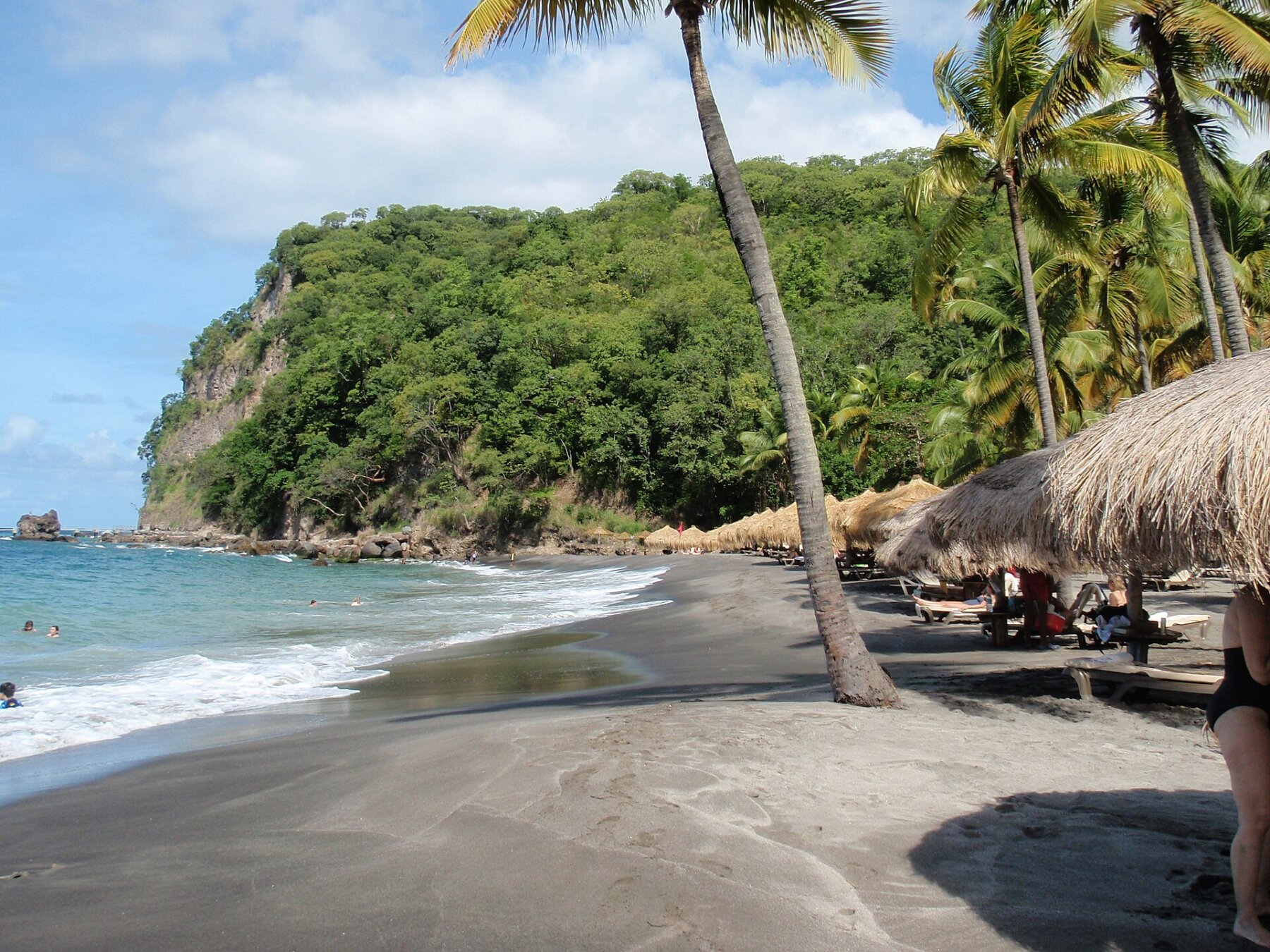
Beyond Castries, the charming town of Soufrière is famous for its Sulphur Springs and the stunning Diamond Falls, both of which showcase the island's volcanic heritage. For beach lovers, Anse Chastanet and Reduit Beach provide idyllic spots for relaxation and water sports. St. Lucia's cultural scene is equally vibrant, with events like the annual Saint Lucia Jazz Festival and lively Carnival celebrations that reflect the island's rich traditions and artistic spirit.
Continue reading the travel guide
Travel Guide to St. Lucia
Whether you're seeking adventure or relaxation, St. Lucia offers a unique blend of experiences that cater to every type of traveler. From its breathtaking natural beauty to its warm and welcoming people, the island promises an unforgettable getaway filled with exploration and discovery.
Why Visit?
St. Lucia is a must-visit destination for its stunning natural beauty and vibrant culture. Explore the iconic Pitons, relax on beautiful beaches, and immerse yourself in the island's rich Creole heritage. With diverse activities ranging from hiking to snorkeling, St. Lucia caters to every type of traveler, making it an ideal getaway for both adventure seekers and those looking to unwind.
Best Time to Visit
The best time to visit St. Lucia is during the dry season, from mid-December to mid-April, when the weather is pleasantly warm and ideal for outdoor activities. This period is popular among tourists, so expect larger crowds and higher prices. If you're looking for a quieter experience, consider visiting during the shoulder months of May and November, when the weather is still favorable, but the tourist numbers are lower. The wet season runs from June to November, with the highest rainfall typically occurring in September and October, which may affect travel plans.
St. Lucia highlights
View all
Top Attractions in St. Lucia
Ready to go? Plan your St. Lucia trip → Good to know →
Plan your trip to St. Lucia
Flights, accommodation and ways to get around — plan the details that matter to you.
Stay & getting around
Choose a neighbourhood, then decide how you will get from the airport and around the city.
Where to stay Neighbourhoods and accommodation
Getting around Airport transfers and local transport

Travel essentials
 Stay connected
 Flight delayed or cancelled?
Popular Activities in St. Lucia
Good to know about St. Lucia
Map & DirectionsChoose a map
Open St. Lucia in your preferred map app.




Country factsCapital, language and useful details
Quick Facts
Country
Location
Practical Information
Climate
St. Lucia enjoys a tropical climate characterized by warm temperatures year-round. The dry season runs from mid-December to mid-April, while the wet season typically spans from June to November, with the highest rainfall occurring in September and October.
Money
The local currency is the East Caribbean Dollar (XCD). Credit cards are widely accepted in urban areas, but it's advisable to carry some cash for small purchases, local transport, and rural areas.
Internet & SIM
Mobile coverage is generally good across St. Lucia, and visitors can purchase local SIM cards or eSIMs at the airport or in town. Wi-Fi is available in many hotels, restaurants, and cafes, making it easy to stay connected.
Electricity
Voltage: 110 / 120 V
Frequency: 60 Hz
Safety
Emergency
911
Frequently Asked Travel Questions
What is the best time to visit St. Lucia?
The best time to visit St. Lucia is from mid-December to mid-April during the dry season, when the weather is ideal for outdoor activities.
What currency is used in St. Lucia?
The local currency is the East Caribbean Dollar (XCD). Credit cards are widely accepted, but it's advisable to carry some cash for small purchases.
What are the main airports in St. Lucia?
The main international airport is Hewanorra International Airport (UVF), located in the south, while George F. L. Charles Airport (SLU) serves regional flights in the north.
Is St. Lucia safe for travelers?
St. Lucia is generally safe for travelers, but it's important to stay aware of your surroundings and follow local advice, especially in less populated areas.
Do I need a visa to enter St. Lucia?
Visa requirements vary by nationality. Many travelers can enter St. Lucia without a visa for stays up to 90 days, but it's best to check official requirements before your trip.
Explore more in St. Lucia
Places to Visit in St. Lucia
Cities in St. Lucia
About NomadRoute
NomadRoute helps travelers discover destinations, compare flight options, and find competitive fares from trusted airlines and travel providers worldwide. We do not sell airline tickets directly. Instead, we connect travelers with leading booking partners.
Discover More Destinations
Find low fares from trusted travel providers.
Compare options and book directly with partners.
Explore destinations and routes worldwide.