
Travel Guide to Tel Aviv
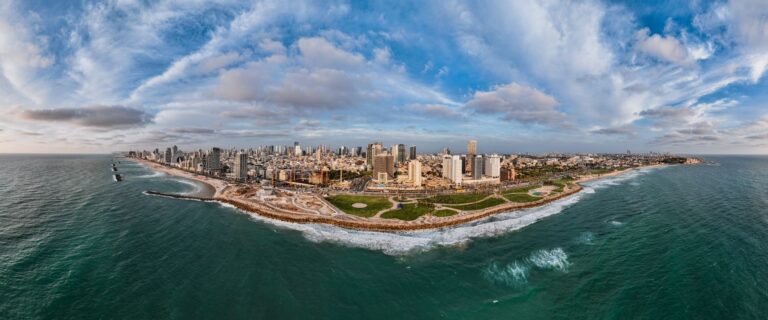
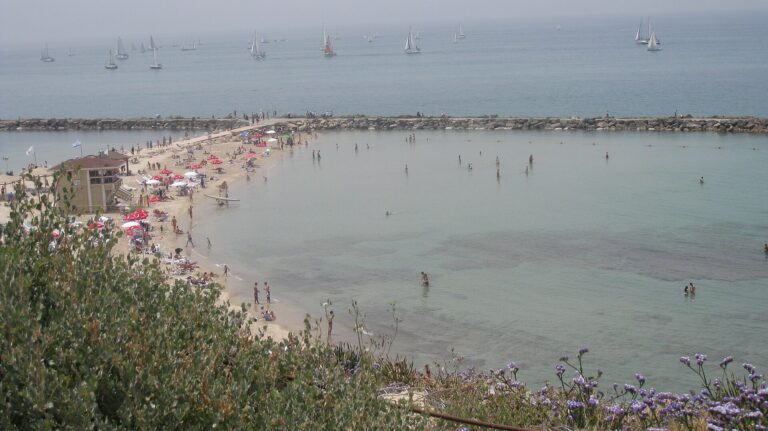
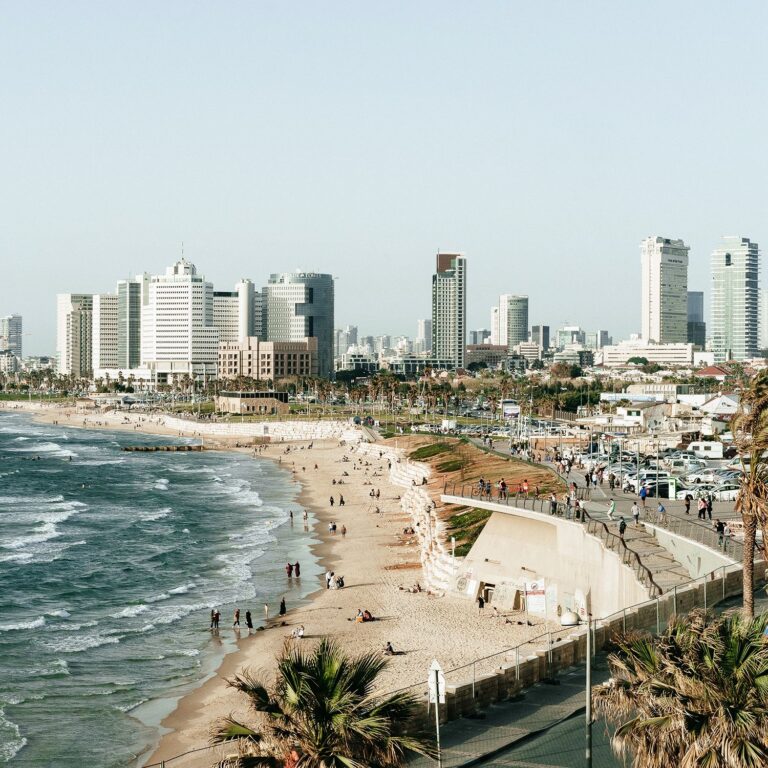
Tel Aviv, often referred to as the 'City That Never Sleeps,' is a dynamic blend of modernity and tradition. The city boasts beautiful Mediterranean beaches, such as Gordon Beach and Frishman Beach, where visitors can relax or partake in water sports. The vibrant nightlife is centered around neighborhoods like Rothschild Boulevard and the Carmel Market, where locals and tourists alike gather to enjoy bars, restaurants, and street food. The city's rich cultural scene is highlighted by the Bauhaus architecture of the White City, a UNESCO World Heritage site, and the thriving arts district of Neve Tzedek, filled with galleries and boutiques. Additionally, Tel Aviv's culinary scene is a melting pot of flavors, offering everything from traditional Israeli dishes to innovative fusion cuisine. For those looking to explore beyond the city, nearby attractions include the ancient port city of Jaffa and the stunning landscapes of the Negev Desert, making Tel Aviv a perfect base for diverse adventures.
Continue reading the travel guide
Travel Guide to Tel Aviv
Why Visit?
Tel Aviv is a vibrant city that offers a unique blend of history, culture, and modernity. Visitors can explore the historic streets of Jaffa, enjoy the lively atmosphere of the Carmel Market, and relax on beautiful beaches. The city's nightlife is legendary, with countless bars and clubs, making it an ideal destination for those seeking excitement and entertainment.
Best Time to Visit
The best time to visit Tel Aviv is during the spring (March to May) and autumn (September to November) when the weather is mild and pleasant. Spring brings blooming flowers and outdoor festivals, while autumn offers a comfortable climate for exploring the city. Summer (June to August) can be hot and crowded, especially at the beaches, but it's also when the city comes alive with beach parties and cultural events. Winter (December to February) is cooler and less crowded, making it a good time for budget travelers, although occasional rain may occur. Overall, plan your visit to align with local events and festivals for a richer experience.
View all
Top Attractions in Tel Aviv
- Carmel Market
- Jaffa Old City
- Tel Aviv Museum of Art
- Gordon Beach
- Neve Tzedek
- Rothschild Boulevard
- Yitzhak Rabin Center
- Hilton Beach
Ready to go? Plan your Tel Aviv trip → Good to know →
Plan your trip to Tel Aviv
Flights, accommodation and ways to get around — plan the details that matter to you.
Stay & getting around
Choose a neighbourhood, then decide how you will get from the airport and around the city.
Where to stay Neighbourhoods and accommodation
Where to Stay in Tel Aviv
Tel Aviv offers a range of accommodation options, from luxury hotels along the beachfront to budget-friendly hostels in the city center. Popular neighborhoods for visitors include the trendy Neve Tzedek, the bustling Carmel Market area, and the vibrant Rothschild Boulevard. For a more local experience, consider staying in the Florentin neighborhood, known for its artsy vibe and street art.
Getting around Airport transfers and local transport

Getting Around Tel Aviv
Getting around Tel Aviv is convenient, with a well-connected public transportation system that includes buses and the light rail. Biking is also popular, with many bike rental stations available throughout the city. Walking is a great way to explore the compact city center, especially along the beachfront promenade.
Travel essentials
 Stay connected
 Flight delayed or cancelled?
Popular Activities in Tel Aviv
Good to know about Tel Aviv
Country factsCapital, language and useful details
Quick Facts
Country
Location
Practical Information
Climate
Israel has a varied climate, characterized by a Mediterranean climate along the coast and desert conditions in the south. Summers are typically hot and dry, while winters can be mild and rainy, particularly in the northern regions. Coastal areas experience moderate temperatures, making them pleasant year-round.
Money
The local currency is the New Israeli Sheqel (ILS - ₪). Credit cards are widely accepted in urban areas, but it's advisable to carry some cash for small purchases, local transport, and rural areas where card acceptance may be limited.
Internet & SIM
Mobile coverage is generally good throughout Israel, with various options for purchasing SIM cards or eSIMs available at the airport and in stores. Wi-Fi is widely accessible in urban areas, hotels, and cafes, making it easy to stay connected during your travels.
Electricity
Voltage: 230 V
Frequency: 50 Hz
Safety
Emergency
100 / 101 / 102
Frequently Asked Travel Questions
What is the best time to visit Tel Aviv?
The best time to visit Tel Aviv is during spring (March to May) and autumn (September to November) when the weather is mild and pleasant.
How long should I plan for a trip to Tel Aviv?
A trip to Tel Aviv typically lasts 3 to 5 days, allowing you to explore the city's attractions, beaches, and nearby sites.
What are the main attractions in Tel Aviv?
Top attractions in Tel Aviv include the Carmel Market, Jaffa Old City, and the Tel Aviv Museum of Art, among others.
How can I get around Tel Aviv?
Getting around Tel Aviv is easy with public buses, the light rail, and bike rentals. Walking along the beachfront promenade is also popular.
Is Tel Aviv safe for tourists?
Tel Aviv is generally safe for tourists, but it's always wise to stay aware of your surroundings and follow local advice.
Explore more in Israel
Places to Visit in Israel
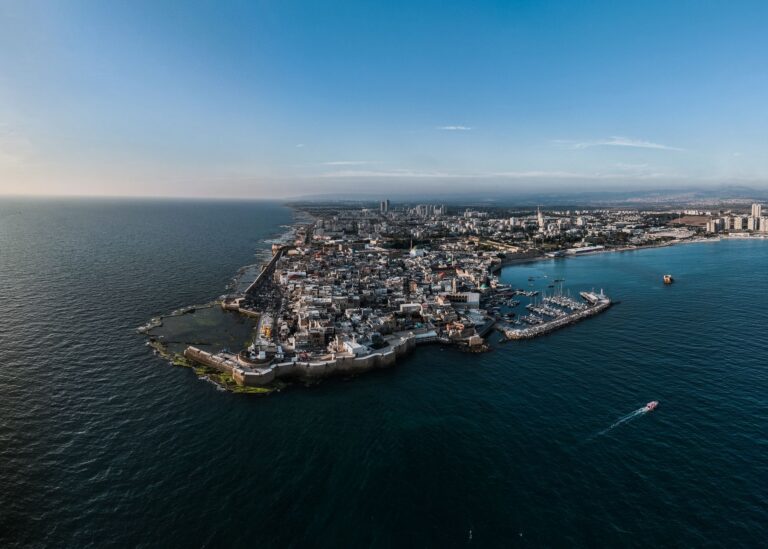
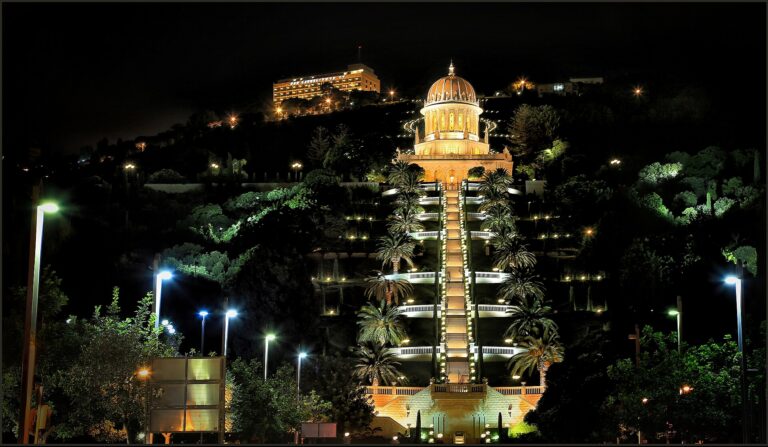
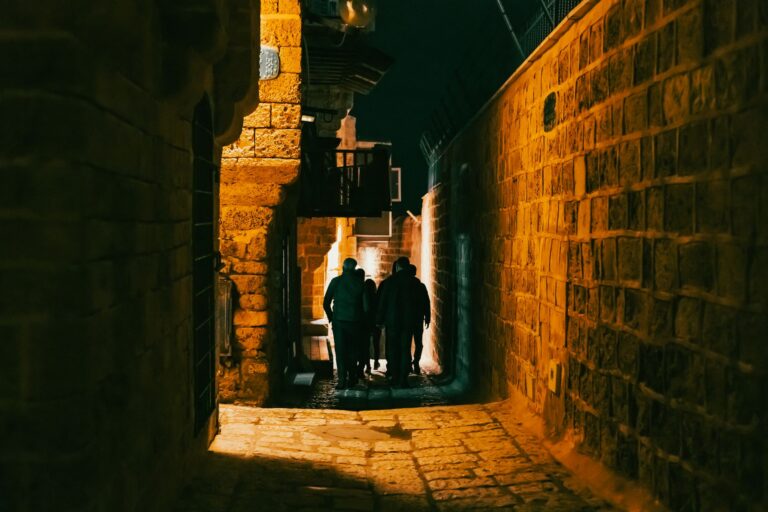
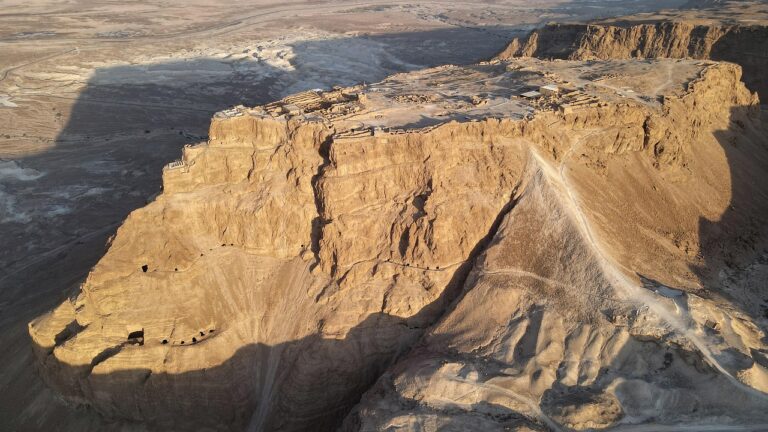
Cities in Israel
About NomadRoute
NomadRoute helps travelers discover destinations, compare flight options, and find competitive fares from trusted airlines and travel providers worldwide. We do not sell airline tickets directly. Instead, we connect travelers with leading booking partners.
Discover More Destinations
Find low fares from trusted travel providers.
Compare options and book directly with partners.
Explore destinations and routes worldwide.