
Travel Guide to Skeleton Coast
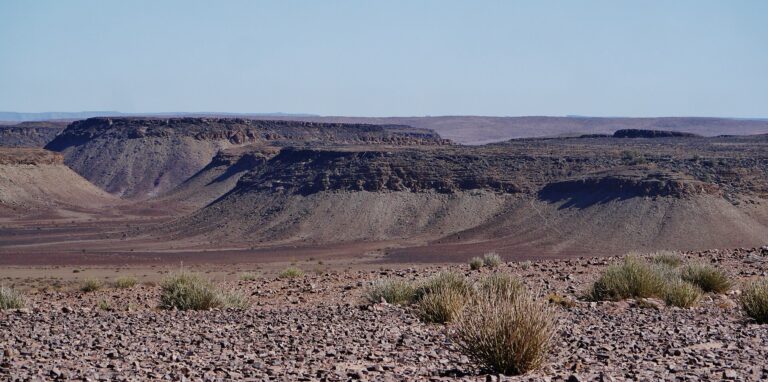
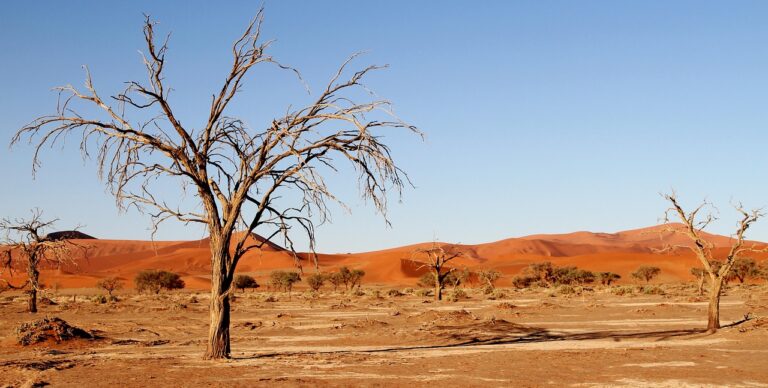
The Skeleton Coast, located in Namibia, is a captivating natural landscape that stretches along the Atlantic Ocean. Known for its rugged beauty, this remote area features vast sand dunes, desolate beaches, and the haunting remains of shipwrecks, which tell tales of maritime misfortune. The coastline is bordered by the Namib Desert, creating a striking contrast between the arid land and the crashing waves of the ocean.
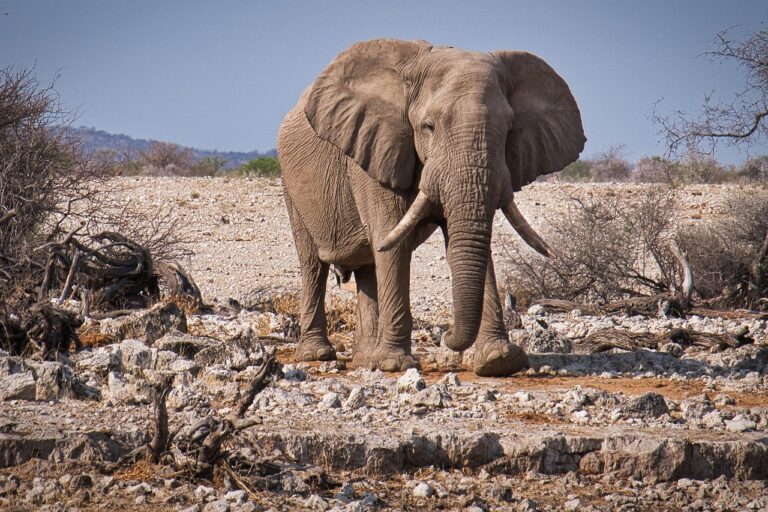
Visitors to the Skeleton Coast can expect an otherworldly experience, with opportunities to explore its unique ecosystems, including seal colonies at Cape Cross and the rich wildlife of the Skeleton Coast National Park. The park is home to desert-adapted elephants, lions, and a variety of bird species, making it a haven for nature enthusiasts and photographers alike. The atmosphere is serene yet eerie, with the sounds of the ocean and the whispering winds enhancing the sense of isolation.
Continue reading the travel guide
Travel Guide to Skeleton Coast
When planning a visit, it's essential to consider the remoteness of the area. Access is typically via 4x4 vehicles, and guided tours are recommended for those unfamiliar with the terrain. The Skeleton Coast offers a chance to disconnect from the modern world and immerse oneself in the raw beauty of nature.
Why Visit?
The Skeleton Coast is a must-visit for adventure seekers and nature lovers, offering breathtaking landscapes, unique wildlife, and a sense of solitude that is hard to find elsewhere.
Best Time to Visit
The best time to visit the Skeleton Coast is during the cooler months from May to September, when temperatures are mild and wildlife is more active. Early mornings and late afternoons are ideal for exploring and photography.
Ready to go? Plan your Skeleton Coast trip → Good to know →
Plan your trip to Skeleton Coast
Flights, accommodation and ways to get around — plan the details that matter to you.
Find flights to Skeleton Coast
Nearest recommended airport search point: WDH.
See recent flight offersTo Windhoek €222From Windhoek €292
Recent flight offers
Compare available fares and routes for Skeleton Coast.
Flights to Windhoek Arrivals · WDH
Cheap Flights to Windhoek for Skeleton Coast (WDH)
Compare recent fares to Windhoek, the suggested airport search point for visiting Skeleton Coast. Choose a listed deal or use the search box above to check prices from your airport.
Flights from Skeleton Coast Departures · WDH
Cheap Flights from Windhoek (WDH)
Compare the latest low fares from Windhoek to popular destinations. Prices are updated regularly and may change based on travel dates and availability.
Stay & getting around
Choose a neighbourhood, then decide how you will get from the airport and around the city.
Where to stay Neighbourhoods and accommodation
Where to Stay in Skeleton Coast
The nearest major town is Swakopmund, which offers various accommodation options. Alternatively, there are lodges and campsites within Skeleton Coast National Park for a more immersive experience.
Getting around Airport transfers and local transport

Getting Around Skeleton Coast
Most visitors reach the Skeleton Coast via the nearest airport, Hosea Kutako International Airport (WDH) in Windhoek, followed by a road trip. A 4x4 vehicle is recommended for navigating the rugged terrain, and guided tours are available for those who prefer not to drive themselves.
Travel essentials
 Stay connected
 Flight delayed or cancelled?
Popular Activities in Skeleton Coast
Good to know about Skeleton Coast
Country factsCapital, language and useful details
Quick Facts
Country
Location
Practical Information
Climate
Namibia has a predominantly arid climate, characterized by hot summers and mild winters. The coastal regions experience cooler temperatures due to the Atlantic Ocean, while the interior can become quite hot during the day. Rainfall is minimal, mainly occurring between January and April.
Money
The local currency is NAD - Namibia Dollar, ZAR - Rand (R). Cards are accepted in many places, but carrying some cash can be useful for small purchases, local transport, and rural areas.
Internet & SIM
Mobile coverage is generally good in urban areas, with several providers offering SIM cards and eSIM options. Wi-Fi is available in hotels and cafes, but may be limited in remote regions.
Electricity
Voltage: 220 / 230 V
Frequency: 50 Hz
Safety
Emergency
112 / 999
Explore more in Namibia
Places to Visit in Namibia
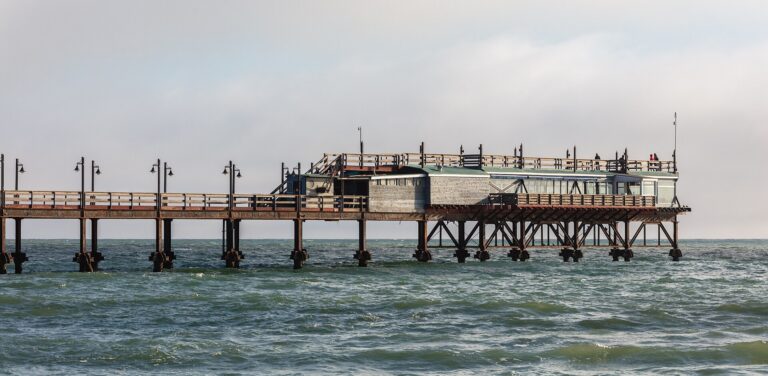
Cities in Namibia
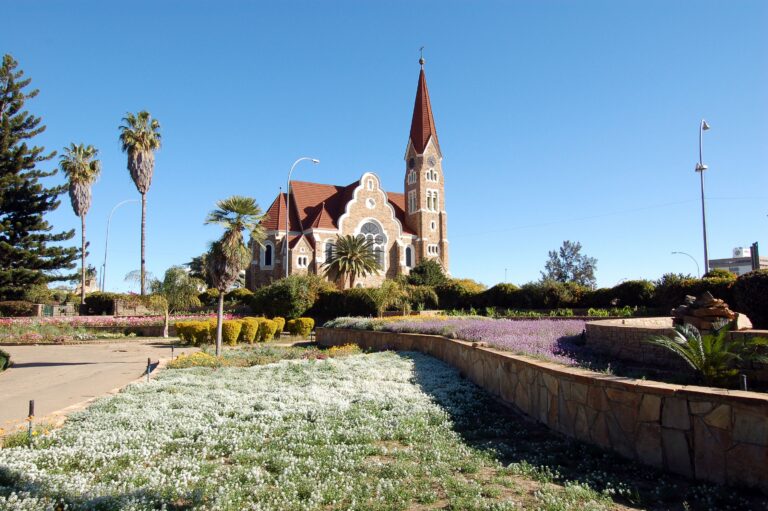
About NomadRoute
NomadRoute helps travelers discover destinations, compare flight options, and find competitive fares from trusted airlines and travel providers worldwide. We do not sell airline tickets directly. Instead, we connect travelers with leading booking partners.
Discover More Destinations
Find low fares from trusted travel providers.
Compare options and book directly with partners.
Explore destinations and routes worldwide.
Photo · Daniel Kraft · Wikimedia Commons · CC BY-SA 3.0