
Travel Guide to Patagonia
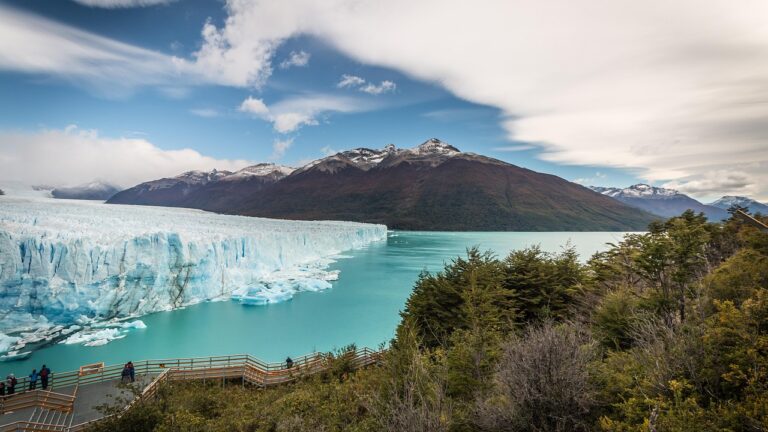
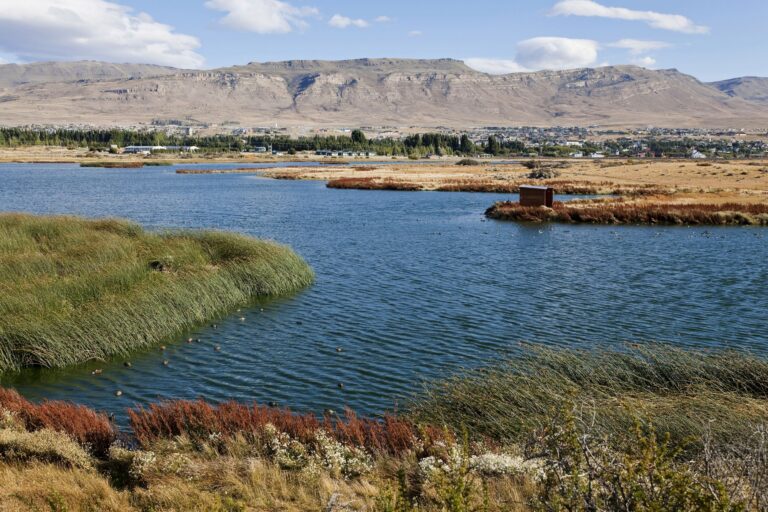
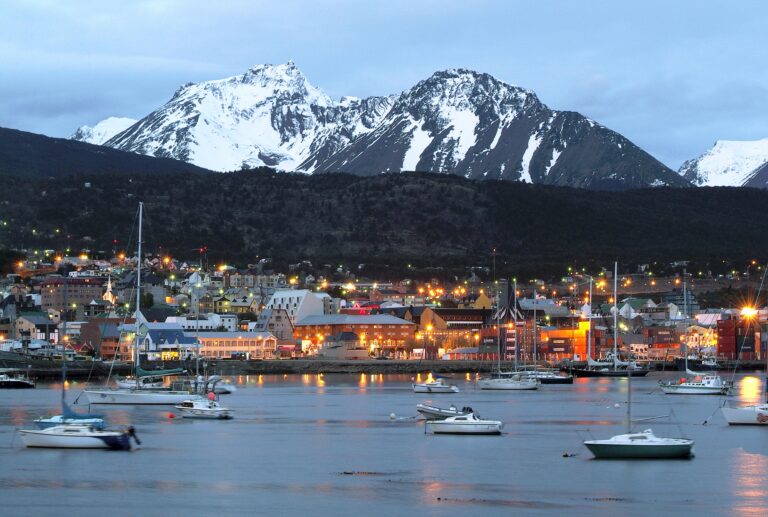
Patagonia, a vast region in Argentina, is celebrated for its dramatic scenery and untouched wilderness. This enchanting destination boasts towering peaks, expansive glaciers, and pristine lakes, making it a paradise for nature lovers and adventure seekers alike. Visitors can explore iconic sites such as the Perito Moreno Glacier, where the sight of massive ice chunks calving into the turquoise waters is truly awe-inspiring.
The atmosphere in Patagonia is one of tranquility and adventure, with opportunities for hiking, kayaking, and wildlife watching. The region is home to unique flora and fauna, including guanacos, Andean condors, and the elusive puma. Travelers can immerse themselves in the rich cultural heritage of the indigenous Mapuche people, who have lived in harmony with this breathtaking landscape for centuries.
Continue reading the travel guide
Travel Guide to Patagonia
For those planning a visit, Patagonia offers a range of experiences, from leisurely strolls through picturesque towns like El Chaltén to challenging treks in Los Glaciares National Park. The region's remoteness adds to its charm, but it's essential to prepare adequately for the variable weather conditions and ensure you have the necessary gear for outdoor activities.
Why Visit?
Patagonia is a must-visit for its unparalleled natural beauty, offering a unique blend of adventure and serenity. Whether you're hiking through stunning national parks or witnessing the majesty of glaciers, every moment spent here is unforgettable.
Best Time to Visit
The best time to visit Patagonia is during the Southern Hemisphere's summer months, from December to March, when the weather is milder and ideal for outdoor activities. However, spring and autumn also offer beautiful landscapes and fewer crowds.
Ready to go? Plan your Patagonia trip → Good to know →
Plan your trip to Patagonia
Flights, accommodation and ways to get around — plan the details that matter to you.
Find flights to Patagonia
Nearest recommended airport search point: BUE.
See recent flight offersTo Buenos Aires €40From Buenos Aires €39
Recent flight offers
Compare available fares and routes for Patagonia.
Flights to Buenos Aires Arrivals · BUE
Cheap Flights to Buenos Aires for Patagonia (BUE)
Compare recent fares to Buenos Aires, the suggested airport search point for visiting Patagonia. Choose a listed deal or use the search box above to check prices from your airport.
Flights from Patagonia Departures · BUE
Cheap Flights from Buenos Aires (BUE)
Compare the latest low fares from Buenos Aires to popular destinations. Prices are updated regularly and may change based on travel dates and availability.
Stay & getting around
Choose a neighbourhood, then decide how you will get from the airport and around the city.
Where to stay Neighbourhoods and accommodation
Where to Stay in Patagonia
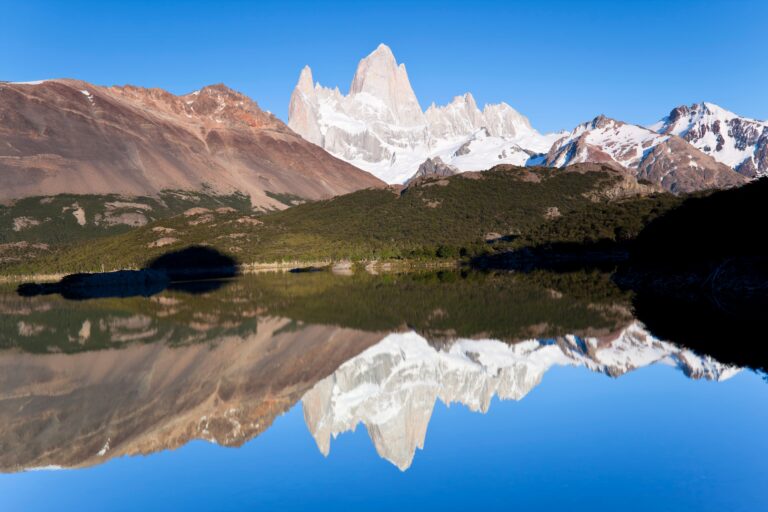
The most practical base for exploring Patagonia is the town of El Calafate, which provides easy access to the Perito Moreno Glacier and other attractions. Alternatively, El Chaltén is perfect for hikers looking to explore the Fitz Roy massif.
Getting around Airport transfers and local transport

Getting Around Patagonia
Travelers can reach Patagonia via flights to Buenos Aires (BUE) and then take domestic flights to key locations like El Calafate or Ushuaia. Once in the region, renting a car is a convenient way to explore, though buses and guided tours are also available for those preferring not to drive.
Travel essentials
 Stay connected
 Flight delayed or cancelled?
Popular Activities in Patagonia
Good to know about Patagonia
Country factsCapital, language and useful details
Quick Facts
Country
Location
Practical Information
Climate
Argentina features a diverse climate that varies significantly by region. The north has a subtropical climate, while the south experiences a colder, more temperate climate. Summer (December to February) can be hot, especially in the north, while winter (June to August) brings cooler temperatures, particularly in the south.
Money
The local currency is the Argentine Peso (ARS). Cards are accepted in many places, but carrying some cash can be useful for small purchases, local transport, and rural areas.
Internet & SIM
Mobile coverage is generally good in urban areas, with various options for purchasing SIM cards or eSIMs. Wi-Fi is widely available in hotels, cafes, and restaurants, making it easy to stay connected.
Electricity
Voltage: 220 V
Frequency: 50 Hz
Safety
Emergency
911
Explore more in Argentina
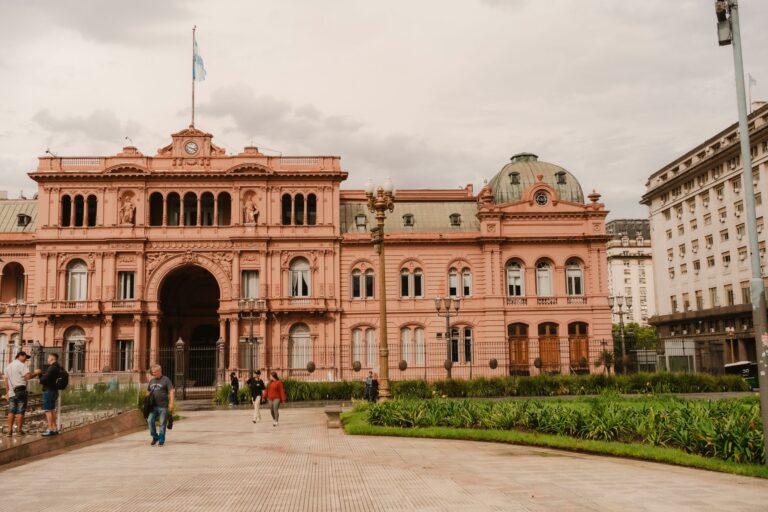
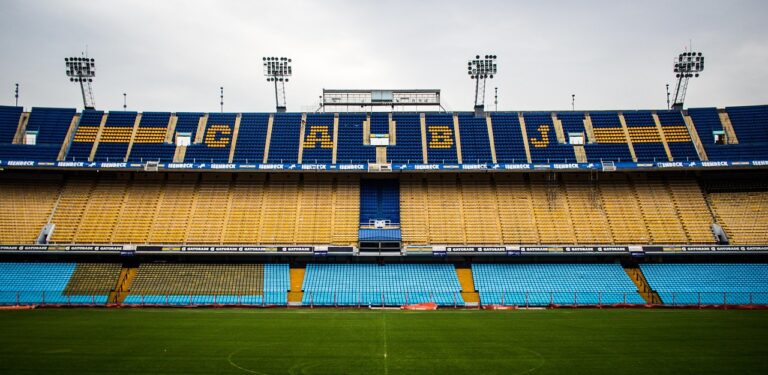
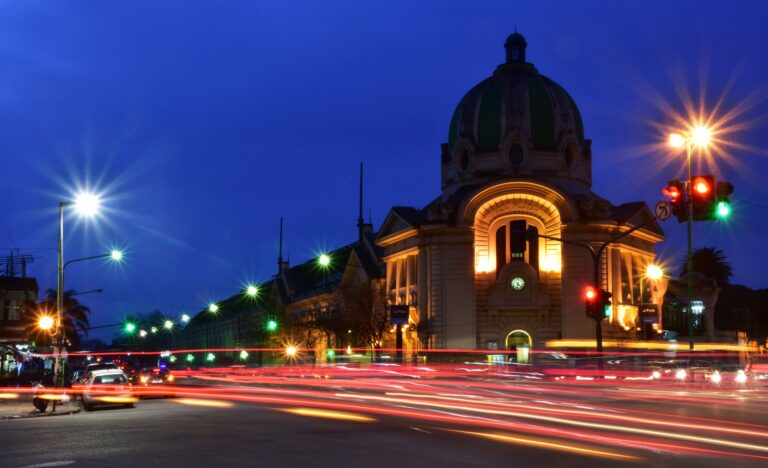
Places to Visit in Argentina


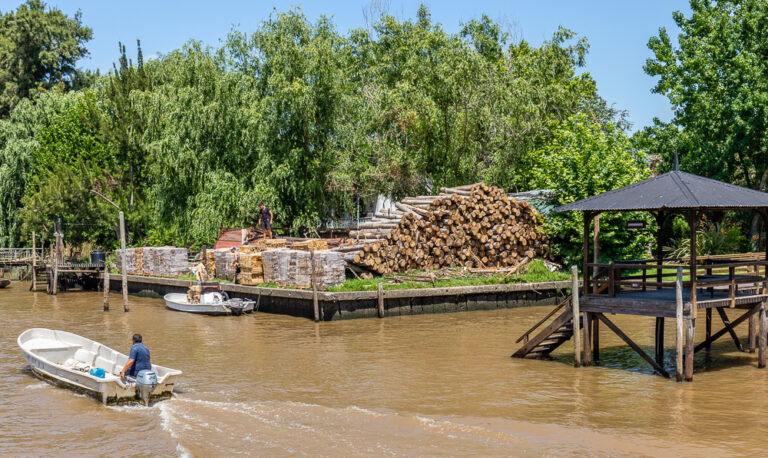
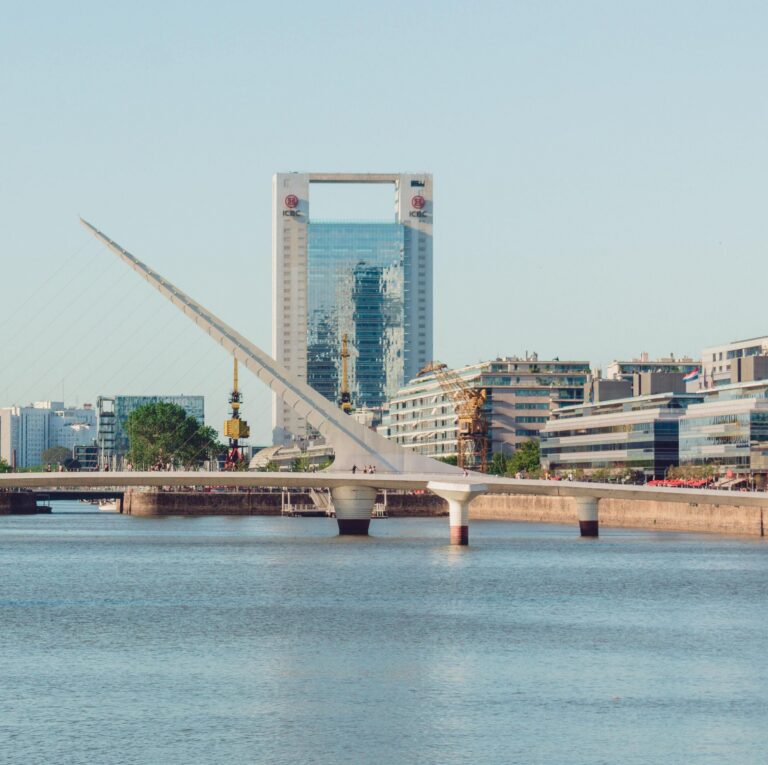
Cities in Argentina
About NomadRoute
NomadRoute helps travelers discover destinations, compare flight options, and find competitive fares from trusted airlines and travel providers worldwide. We do not sell airline tickets directly. Instead, we connect travelers with leading booking partners.
Discover More Destinations
Find low fares from trusted travel providers.
Compare options and book directly with partners.
Explore destinations and routes worldwide.